Market Overview: Poultry Meal in the Global Feed Industry — April 2026
A Product at the Intersection of Supply Reliability and Demand Growth
Entering April 2026, poultry meal sits at a commercially productive intersection: supply is broadly available because global poultry production remains active, while demand is structurally supported by the continued need for cost-effective, high-protein feed ingredients across multiple animal nutrition segments. This combination — available supply meeting genuine demand — creates a market that is commercially active without the volatility associated with constrained specialty proteins. According to the Food and Agriculture Organization of the United Nations (FAO), global poultry meat production has continued its long-term upward trajectory, and this sustained production activity is the foundational driver of poultry meal supply through the rendering channel.
Feed Market Dynamics Shaping Buyer Behaviour in Early 2026
The broader feed ingredient market in early 2026 is characterised by cautious but active buying. Feed manufacturers across Asia, Europe, and the Americas are operating under formulation cost pressure driven by input inflation in energy, logistics, and competing protein sources. Within this context, poultry meal has gained appeal as a formulation tool that delivers on the key criteria feed nutritionists prioritise: high crude protein content (typically 60–70%), good amino acid digestibility, and a landed cost that compares favourably to fish meal or speciality protein concentrates. Market analysis published by Feedstuffs — a leading trade publication for the animal feed industry — consistently notes that rendered animal proteins, including poultry meal, are seeing increased formulation interest during periods when fish meal and soy protein concentrate face price or availability pressure.
Rendering Activity and Its Link to Poultry Sector Health
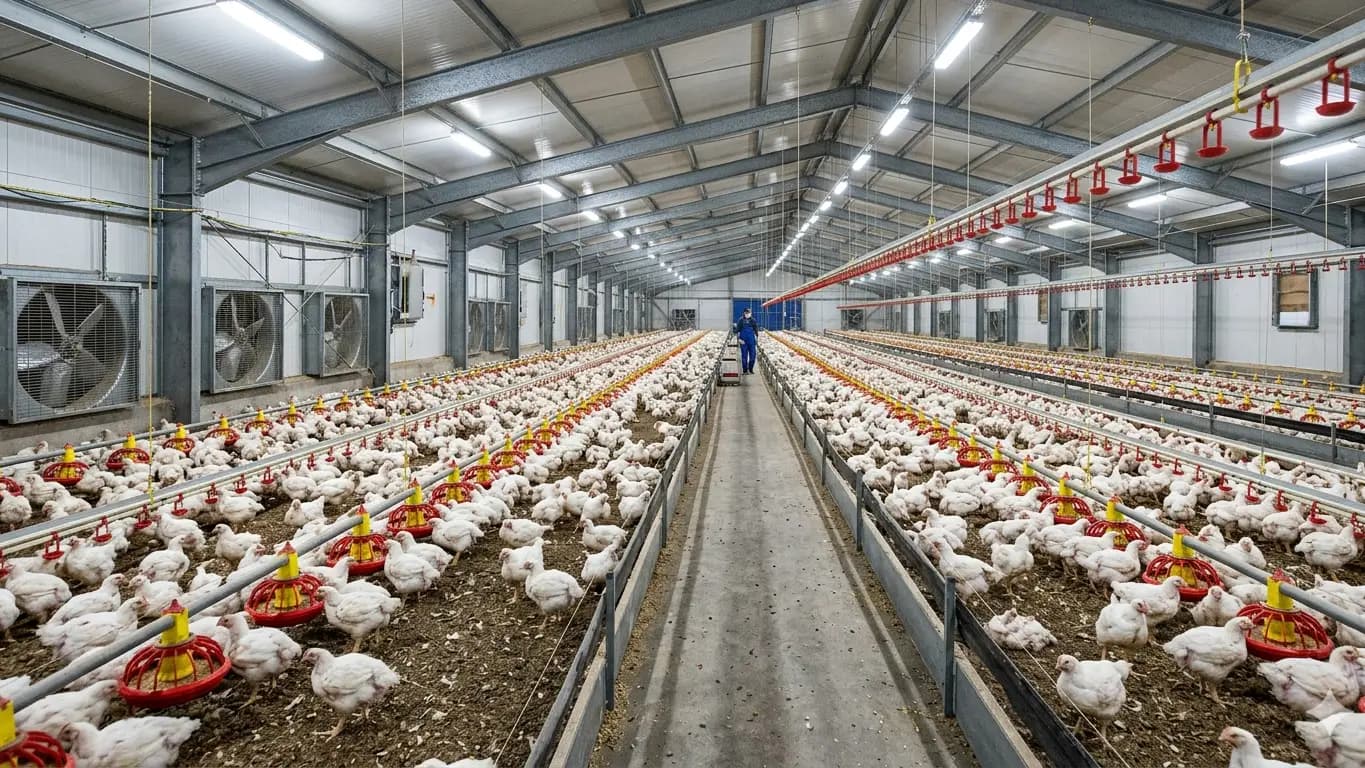
Poultry meal is inherently a derivative product — its supply is linked to the operational health and output volume of poultry processing operations rather than to dedicated manufacturing capacity. When poultry slaughter volumes are high, rendering throughput is correspondingly elevated, and poultry meal availability increases. Conversely, any disruption to poultry processing — whether from disease outbreaks, regulatory events, or demand-side contractions in the poultry meat market — can affect rendering output and, therefore, poultry meal supply. Understanding this relationship is essential for feed buyers who need to plan procurement horizons beyond the immediate spot market. In the current period, with no major disease-driven production disruptions reported across key producing regions, rendering output appears consistent and supportive of stable supply.
Market Tone: Active but Not Overheated
The overall market tone for poultry meal in April 2026 is best described as commercially active but not overheated. Buyers are purchasing with purpose rather than urgency, and sellers are maintaining firm but not aggressive pricing. This environment rewards procurement professionals who approach sourcing with market intelligence and supplier relationship depth rather than those who rely on reactive spot buying. For feed companies in growth markets — particularly across Southeast Asia and South Asia — the current period of stable availability and moderate poultry meal price trend conditions represents a practical window to establish structured supply arrangements for Q2 and Q3 volumes.
Poultry Meal as a Cost-Efficient Protein Source: Why Formulators Are Taking Notice
The Nutritional Case for Poultry Meal in Feed Formulations
The case for poultry meal as a poultry meal protein source in commercial feed formulations rests on well-established nutritional science. Poultry meal — produced by rendering poultry by-products including carcasses, offal, and processing residues — delivers a concentrated protein source with crude protein levels typically ranging from 60% to 68% on a dry matter basis, depending on the specific grade and raw material composition. Beyond crude protein, the amino acid profile of poultry meal is nutritionally meaningful: it offers good levels of lysine, methionine, and cysteine, with digestibility coefficients that compare favourably to many plant-based protein alternatives when appropriate processing conditions have been applied. According to a technical review published in the journal Poultry Science, the digestibility of amino acids in well-processed poultry by-product meal is consistently high across standard broiler and swine diet applications, supporting its position as a functional protein ingredient rather than merely a cheap filler.
Cost Comparison with Competing Protein Ingredients
The commercial appeal of poultry meal in 2026 is substantially reinforced by its cost positioning relative to key competing proteins. Fish meal — long the benchmark for high-quality animal protein in aquafeed and monogastric diets — has faced price elevation over successive seasons due to anchovy catch variability in Peru and supply constraints from major producing regions. Soy protein concentrate, while widely used, carries its own cost and availability dynamics tied to soybean market volatility. Against this backdrop, poultry meal offers formulators a protein source that is domestically available in many major feed-producing countries, priced below premium marine proteins, and nutritionally capable of performing effectively in a range of species and production stage applications. This cost-efficiency argument is increasingly being articulated by nutritionists and procurement managers who see poultry meal not as a compromise choice but as a strategically rational formulation tool.
Processing Quality and Its Impact on Feed Value
Not all poultry meal delivers equivalent nutritional value, and the quality of the rendering process is a critical determinant of feed ingredient performance. Over-processing during rendering — particularly exposure to excessive heat — can damage heat-sensitive amino acids, particularly lysine, reducing the effective nutritional contribution of the meal in formulated diets. Well-managed rendering operations that apply controlled temperature and pressure parameters produce poultry meal with higher digestibility scores and more consistent amino acid availability. Feed buyers sourcing poultry meal for premium aquafeed or high-performance poultry diet applications should prioritise suppliers who can provide rendering process documentation, amino acid digestibility data, and third-party analytical certificates. This quality dimension is an important differentiator in a market where not all offered grades are equivalent.
Why the Protein Substitution Trend Favours Poultry Meal in 2026
The structural trend of protein substitution — in which feed formulators reduce reliance on expensive or volatile protein sources by incorporating cost-competitive alternatives — is a key tailwind for poultry meal demand in the current period. Feed mills operating under margin pressure cannot absorb sustained high raw material costs without adjusting formulations, and poultry meal occupies a favourable position in the substitution hierarchy: it is familiar to nutritionists, technically proven across species, and available at scale. For buyers looking to explore high-quality sourcing options, reviewing the poultry meal product specifications on Feedingredients Asia provides a useful reference point for understanding grade availability, technical parameters, and sourcing terms from qualified supply origins.
Global Poultry Meal Supply: Rendering Output and Production Dynamics
Major Producing Regions and Their Export Capacity
Global poultry meal supply is concentrated in regions with high poultry processing activity and well-developed rendering infrastructure. The United States remains one of the world's largest producers of poultry meal, with its extensive broiler processing industry generating substantial rendering volumes year-round. Brazil, which hosts one of the most productive and export-oriented poultry sectors globally, is a major exporter of poultry meal to feed markets across Asia, the Middle East, and Europe. In Asia, countries including China, Thailand, and India produce poultry meal for domestic consumption and, in some cases, regional export, though domestic feed demand typically absorbs a significant share of local rendering output. The geographic distribution of supply means that buyers in different destination markets face different cost and logistics profiles depending on origin sourcing decisions.
How Rendering Infrastructure Shapes Supply Availability
The volume and quality of poultry meal available in global markets is directly linked to the density and operational efficiency of rendering infrastructure in major producing regions. Countries with modern, integrated rendering facilities — capable of processing poultry by-products rapidly and under controlled conditions — tend to produce more consistent, higher-quality poultry meal than regions where rendering operations are smaller-scale or less technologically advanced. According to the North American Renderers Association (NARA), the rendering industry in the United States processes over 25 billion pounds of animal by-products annually, with poultry by-products representing a substantial share of this total. This scale of operation underpins the reliability and commercial depth of U.S. poultry meal as a traded ingredient.
Disease Risk and Its Influence on Supply Security
Supply security for poultry meal is not immune to disruption. Avian influenza outbreaks, in particular, have historically caused acute supply tightness in affected regions by reducing poultry flock sizes and curtailing processing activity. While the early months of 2026 have not been characterised by a major disease-driven supply disruption across primary producing regions, buyers operating in markets that are heavily dependent on a single origin source should maintain awareness of disease surveillance data and have contingency sourcing plans in place. Diversified sourcing — drawing on both domestic and imported supply — is a standard risk management practice for sophisticated feed buyers operating in markets where poultry meal is a significant formulation ingredient.
Supply Outlook Through Mid-2026
The supply outlook for poultry meal through mid-2026 is broadly positive, supported by continued active poultry production in major exporting countries. Rendering throughput in Brazil and the United States — the two most commercially important export origins — is expected to remain consistent, providing a reliable base of supply for international buyers. Any tightening of supply in this period is more likely to result from demand-side acceleration than from production-side disruption, which means buyers who secure forward volumes now are managing demand-competition risk rather than physical availability risk. The poultry meal distribution and rendering supply dynamic in the current period favours proactive buyers who establish supply terms ahead of any demand-driven tightening rather than waiting for scarcity signals.
Poultry Meal Demand in Animal Feed: Livestock, Aquaculture, and Pet Food Segments
Poultry Meal in Livestock and Monogastric Feed Applications
Poultry meal demand in animal feed spans a wide range of production systems, with monogastric livestock — broilers, layers, swine, and turkeys — representing the core traditional application base. In commercial poultry and swine diets, poultry meal functions as a concentrated protein and amino acid source that can partially or fully replace fish meal, contributing meaningfully to diet protein levels while reducing formulation cost. The digestibility of poultry meal in monogastric diets has been validated across decades of nutritional research, and its inclusion is well-understood by feed formulation teams globally. In markets across Southeast Asia — including Vietnam, Indonesia, the Philippines, and Thailand — where intensive poultry and swine production is both growing and cost-competitive, poultry meal is an ingredient of genuine commercial importance to the feed milling sector.
Aquafeed: A Growing and Strategically Important Demand Channel
The aquaculture sector has become an increasingly important demand driver for high-quality poultry meal, particularly as the aquafeed industry seeks to reduce its dependency on fish meal in formulations for carnivorous species including salmon, trout, and marine fish. According to research published by the World Aquaculture Society, the long-term trajectory of fish meal replacement in aquafeed has accelerated as fish meal prices have risen and supply volatility has increased. Poultry meal — particularly low-ash, high-protein grades produced from feather-free or bone-reduced raw materials — has been successfully incorporated into commercial aquafeed formulations for shrimp, tilapia, and salmonid species, with positive feed conversion and growth performance outcomes reported across multiple species trials. For feed ingredient buyers serving the aquaculture sector, sourcing consistently high-specification poultry meal is a technical imperative, not merely a cost exercise.
Poultry Meal in Pet Food: A Premium and Growing Application
Poultry meal pet food applications represent one of the fastest-growing and most specification-demanding end-use segments for rendered poultry protein. Premium and super-premium dry pet food formulations — including complete and balanced diets for dogs and cats — frequently specify poultry meal as a named ingredient, capitalising on its high protein density and consumer-recognisable positioning as a meat-derived protein source. The global pet food market has expanded substantially over the past decade, driven by pet ownership growth in Asia, humanisation trends in the premium pet food segment, and the premiumisation of pet nutrition standards in established markets including the United States and Western Europe. According to market data from the Pet Food Institute, pet food is one of the more resilient categories in consumer spending, and its demand for high-quality animal proteins — including poultry meal — is expected to remain structurally supported through 2026 and beyond. For poultry meal suppliers and traders, the pet food sector represents a margin-positive application channel that rewards quality consistency.
Balancing Demand Across Multiple End-Use Segments
One of the commercially interesting dimensions of poultry meal market dynamics is the simultaneous demand from multiple end-use segments — livestock feed, aquafeed, and pet food — each with different quality specifications, price tolerance, and purchasing patterns. In practice, this means that poultry meal of different grades and specifications flows to different end-use channels: lower-specification material with higher ash or bone content may be suitable for livestock applications, while higher-specification, low-ash grades are directed toward aquafeed and pet food manufacturing. This segmentation of the demand base adds commercial complexity to the trading market but also creates opportunities for suppliers and traders who can reliably deliver grade-appropriate material to each segment. Feed buyers who understand these grade distinctions — and source accordingly — manage both nutritional risk and cost risk more effectively than those who treat poultry meal as a single undifferentiated commodity.
Poultry Meal Trade Trends April 2026: Regional Export and Import Flows
Brazil and the United States: The Export Anchor Origins
Poultry meal trade trends April 2026 are anchored by two dominant export origins — Brazil and the United States — which together account for the majority of internationally traded poultry meal volumes. Brazil's highly competitive poultry processing sector, supported by low-cost grain production and integrated production systems, generates substantial rendering volumes that are exported to buyers across Asia, the Middle East, and parts of Africa. The United States, with its deep and well-organised rendering infrastructure, supplies poultry meal to both regional and international markets, particularly in Asia and Latin America. Export pricing from both origins in early 2026 has reflected the broader market tone of stable-to-firm conditions, with price differences between Brazilian and American material driven by logistics cost, specification differences, and trade lane freight rates rather than by large intrinsic quality gaps.
Asian Import Markets: Demand Volume and Sourcing Patterns
Asia represents the largest aggregate import market for poultry meal globally, driven by the scale and growth trajectory of its aquaculture, livestock, and pet food manufacturing industries. China is a major importer, sourcing poultry meal from multiple origins to supplement domestic rendering output that is insufficient to meet internal demand from the feed sector. Southeast Asian markets — including Vietnam, Indonesia, and Thailand — import meaningful volumes for aquafeed and poultry feed applications, with Brazil and the United States being the primary origins. India, with its large and growing animal agriculture sector, is also an active importer of poultry meal, particularly for aquafeed and poultry diet applications. According to Global Trade Atlas data patterns, intra-Asian and inter-continental trade flows for poultry meal have maintained consistent trajectories through Q1 2026, reflecting stable demand rather than reactive buying.
Middle East and Africa: Import Demand and Market Development
The Middle East and parts of Sub-Saharan Africa represent developing but commercially meaningful import markets for poultry meal, driven by growth in domestic poultry production, aquaculture, and pet food manufacturing. Gulf Cooperation Council (GCC) countries including Saudi Arabia, the UAE, and Egypt import poultry meal primarily for poultry and livestock feed applications, with Brazilian and American material being the most commonly traded origins. In Sub-Saharan Africa, the expansion of commercial poultry production — particularly in Nigeria, Kenya, and Ethiopia — is creating incremental demand for high-quality protein ingredients including poultry meal, though the scale of this demand remains smaller than that of Asian import markets. The development trajectory of these regions is nonetheless important for medium-term trade flow analysis, and suppliers with logistics capability into African markets may find growing commercial opportunity.
How Freight and Trade Policy Shape Delivered Costs
As with most globally traded feed ingredients, the delivered cost of poultry meal in destination markets is significantly shaped by ocean freight rates, trade policy (including tariffs and import duties), and bilateral trade agreement dynamics. The divergence between FOB pricing at origin and CIF delivered pricing in destination markets can be material, particularly for buyers in markets with high freight exposure such as Southeast Asia or East Africa. According to the Baltic Exchange's dry bulk and container freight indices, shipping rates in early 2026 have remained elevated relative to pre-pandemic benchmarks, adding a persistent cost layer to imported poultry meal that buyers must incorporate into their total landed cost calculations. Buyers who understand their full poultry meal price trend in delivered, not just FOB, terms are better positioned to make economically rational sourcing decisions.
Poultry Meal Distribution and Rendering Supply: Logistics and Landed Cost Factors
Understanding the Physical Supply Chain for Poultry Meal
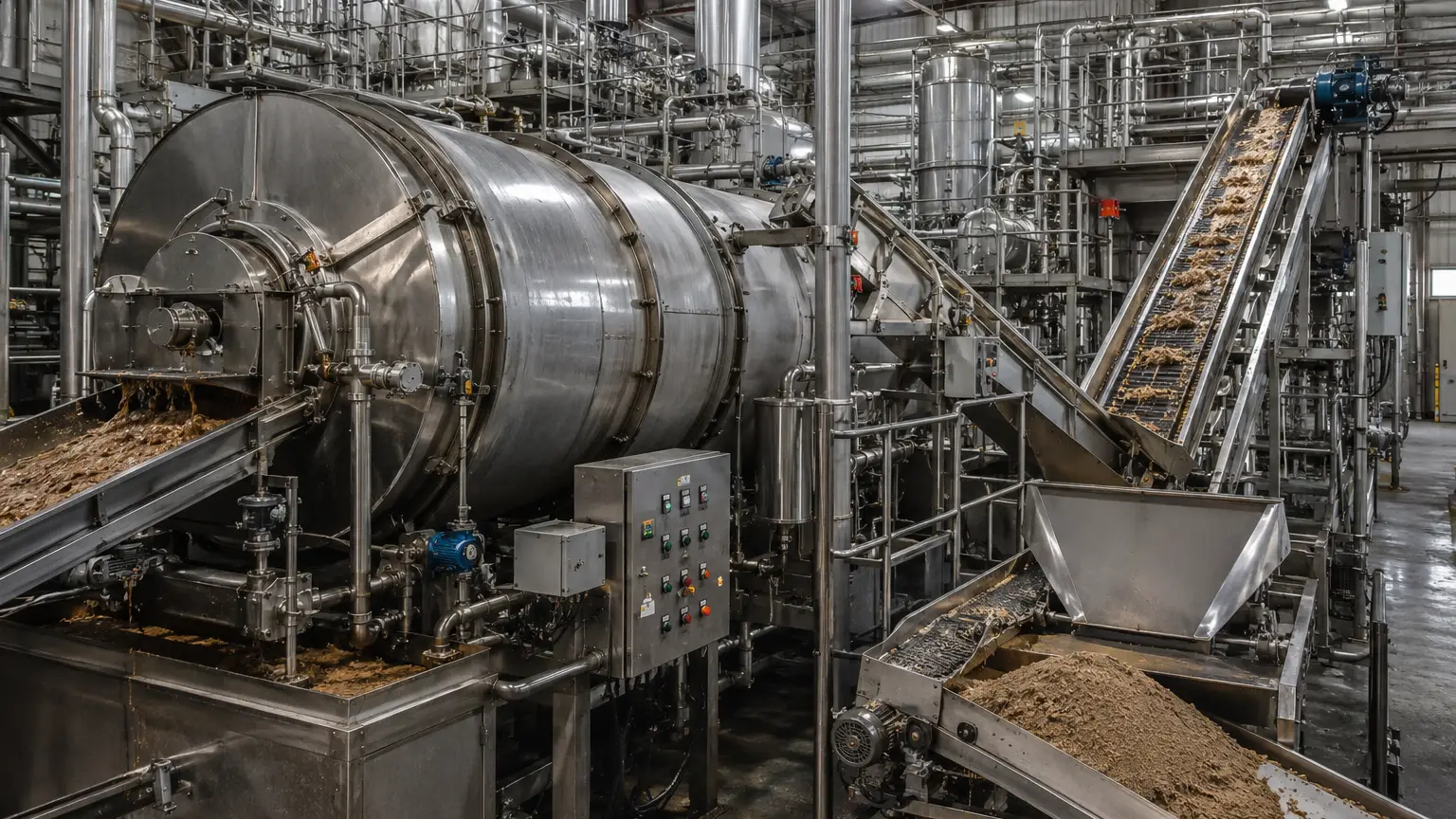
The poultry meal distribution and rendering supply chain is a multi-step process that begins at the rendering plant and ends at the feed mill receiving bay. From origin rendering operation, poultry meal is typically transported in bulk or bagged form to export terminals, loaded into containers or bulk vessels depending on volume and destination market logistics requirements, and shipped to destination ports where it is cleared through customs and delivered to the buyer's facility or third-party storage. Each link in this supply chain introduces cost, time, and variability that procurement teams must account for in their sourcing planning. Buyers who engage early with logistics-capable suppliers — those who can offer end-to-end visibility from rendering source to destination delivery — gain a material operational advantage over those who manage logistics components independently and reactively.
Bulk vs. Bagged Shipment: Logistics Choices and Their Cost Implications
Poultry meal is shipped in both bulk and bagged formats depending on buyer volume, destination infrastructure, and handling preferences. Bulk shipments — typically in dry bulk vessels or flexitanks — are cost-efficient for large-volume buyers with port handling capability but require appropriate storage and handling infrastructure at the destination. Bagged formats — including 25kg bags on pallets or 1,000kg big bags — offer more flexibility for buyers with smaller volume requirements or those who need to manage product handling in diverse storage conditions. The choice between bulk and bagged logistics can have a meaningful impact on landed cost per tonne, and buyers should model both options against their actual consumption rates and storage capacity. According to Drewry's freight market analysis, container shipping costs on key trade lanes relevant to feed ingredient trade remained above historical averages in Q1 2026, reinforcing the cost advantage of bulk shipment for large-volume buyers where infrastructure permits.
Quality Assurance and Documentation in the Poultry Meal Supply Chain
Reliable documentation is a non-negotiable element of responsible poultry meal sourcing, particularly for buyers in regulated markets or those supplying premium end-use applications such as aquafeed and pet food manufacturing. Essential documentation includes a Certificate of Analysis (COA) confirming crude protein, moisture, ash, fat, and amino acid content; a Certificate of Origin; health certificates for animal-derived products; and, where applicable, third-party inspection reports from recognised bodies such as SGS, Bureau Veritas, or equivalent agencies. Buyers sourcing from multiple origins should establish a consistent documentation standard and verify that supplier processes reliably deliver documentation within commercially usable timelines. Feed buyers seeking to review product specifications, documentation requirements, or origin details can access relevant resources through the Feedingredients Asia Download Center, which provides product data sheets and compliance documentation support.
Managing Supply Lead Times and Inventory in a Global Sourcing Context
Lead time management is a critical but often underestimated dimension of poultry meal procurement strategy. Ocean shipping from origin to Asian destination markets can range from two to six weeks depending on origin port, routing, and vessel scheduling, meaning that buyers who wait until inventory reaches critical levels before placing orders risk exposure to supply gaps or forced spot purchases at unfavourable terms. The commercially prudent approach for feed mills with predictable poultry meal consumption patterns is to maintain a rolling forward-buying programme — placing orders to arrive in sequence rather than purchasing reactively — while maintaining a safety stock buffer appropriate to their production cycle. In a market where pricing is broadly stable but logistics disruptions remain a background risk, this inventory management discipline significantly reduces the cost and operational risk of ingredient supply interruption.
Sourcing Strategy and Market Outlook for Q2 2026
Q2 2026: A Structurally Supported Market That Rewards Preparation
As the poultry meal market 2026 enters its second quarter, the market structure remains commercially supportive without being dramatically tight. Active poultry production in key exporting countries continues to underwrite rendering throughput, and demand from livestock, aquaculture, and pet food sectors provides a consistent commercial pull that keeps the market well-traded. For procurement managers, this environment is strategically favourable for buyers who engage proactively — establishing supply terms, confirming specifications, and agreeing logistics arrangements ahead of the mid-year period when demand from Asian feed mills typically intensifies with seasonal livestock and aquaculture production cycles.
Risk Factors to Monitor Through Mid-2026
The stable market tone of April 2026 is not a guarantee of continued equilibrium, and buyers should maintain active monitoring of several risk factors. Avian influenza surveillance data in major exporting countries — the United States and Brazil in particular — warrants ongoing attention, as a significant outbreak could rapidly curtail rendering output and tighten global supply. Freight rate trajectories on key Asia-bound trade lanes remain a cost uncertainty, with any re-tightening of container shipping capacity potentially adding meaningfully to landed cost calculations for Asian buyers. Additionally, a faster-than-expected recovery in fish meal supply or a sharp drop in fish meal prices could reduce the substitution incentive that is currently supporting poultry meal demand in aquafeed applications. Buyers who build these contingency scenarios into their procurement planning are better positioned to respond without operational disruption if market conditions shift.
Building Supplier Relationships for Long-Term Supply Security
In a globally traded commodity like poultry meal, the quality of the buyer-supplier relationship is a meaningful competitive asset. Suppliers who can consistently deliver on-specification material with reliable documentation, flexible logistics arrangements, and responsive commercial communication provide value that extends well beyond the unit price of the ingredient. For feed companies sourcing poultry meal at commercial scale — whether for aquafeed production, livestock feed milling, or pet food manufacturing — investing in a limited number of deep, well-managed supplier relationships is more commercially durable than maintaining a broad, shallow network of opportunistic spot sources. Buyers who wish to initiate or deepen a supply relationship for poultry meal sourcing in Q2 2026 are encouraged to contact the Feedingredients Asia sourcing team to discuss origin availability, specification options, and structured supply terms.
Outlook: What Feed Buyers Should Expect Through H2 2026
The outlook for poultry meal through the second half of 2026 is broadly constructive, with the primary market support coming from sustained aquafeed and pet food demand rather than from livestock feed growth alone. The aquafeed sector's continued shift toward fish meal alternatives is a structural, multi-year trend that provides a durable demand floor for high-quality poultry meal regardless of short-term price movements in competing proteins. Pet food demand, anchored by demographic and humanisation trends that are not cyclically sensitive, provides additional demand stability. Against this demand backdrop, supply is expected to remain broadly adequate, with rendering output in major producing countries tracking poultry production volumes that are forecast to remain stable or grow modestly through the year. Buyers who enter H2 2026 with secured supply arrangements, clear specification standards, and reliable supplier relationships are positioned to manage input cost and supply security more effectively than those approaching the market reactively.