
Introduction
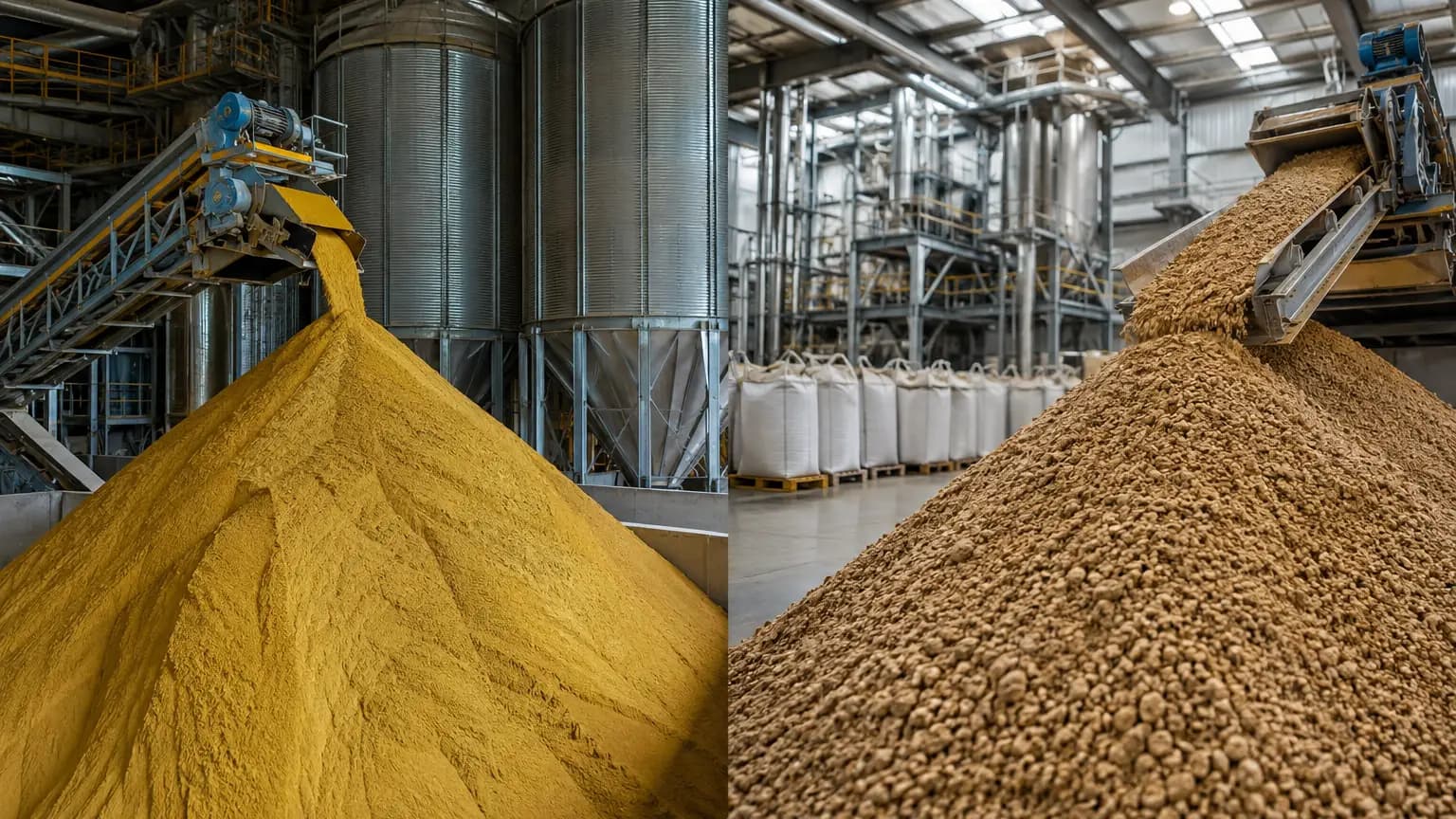
Linseed meal, a protein-rich byproduct of flaxseed oil extraction, is increasingly recognized in 2026 as a strategic platform chemical feedstock bridging agricultural processing with feed, food, and bio-industrial value chains. With global production volumes surpassing 1.4 million metric tons, the material has shifted from a low-value residue to a structured commodity within diversified industrial ecosystems. The market is projected to expand at a steady 5.5% CAGR, supported by rising demand across animal nutrition and functional ingredient sectors, while average transaction prices fluctuate between USD 220–500/MT depending on grade and refinement level.
Animal Nutrition as the Core Demand Anchor
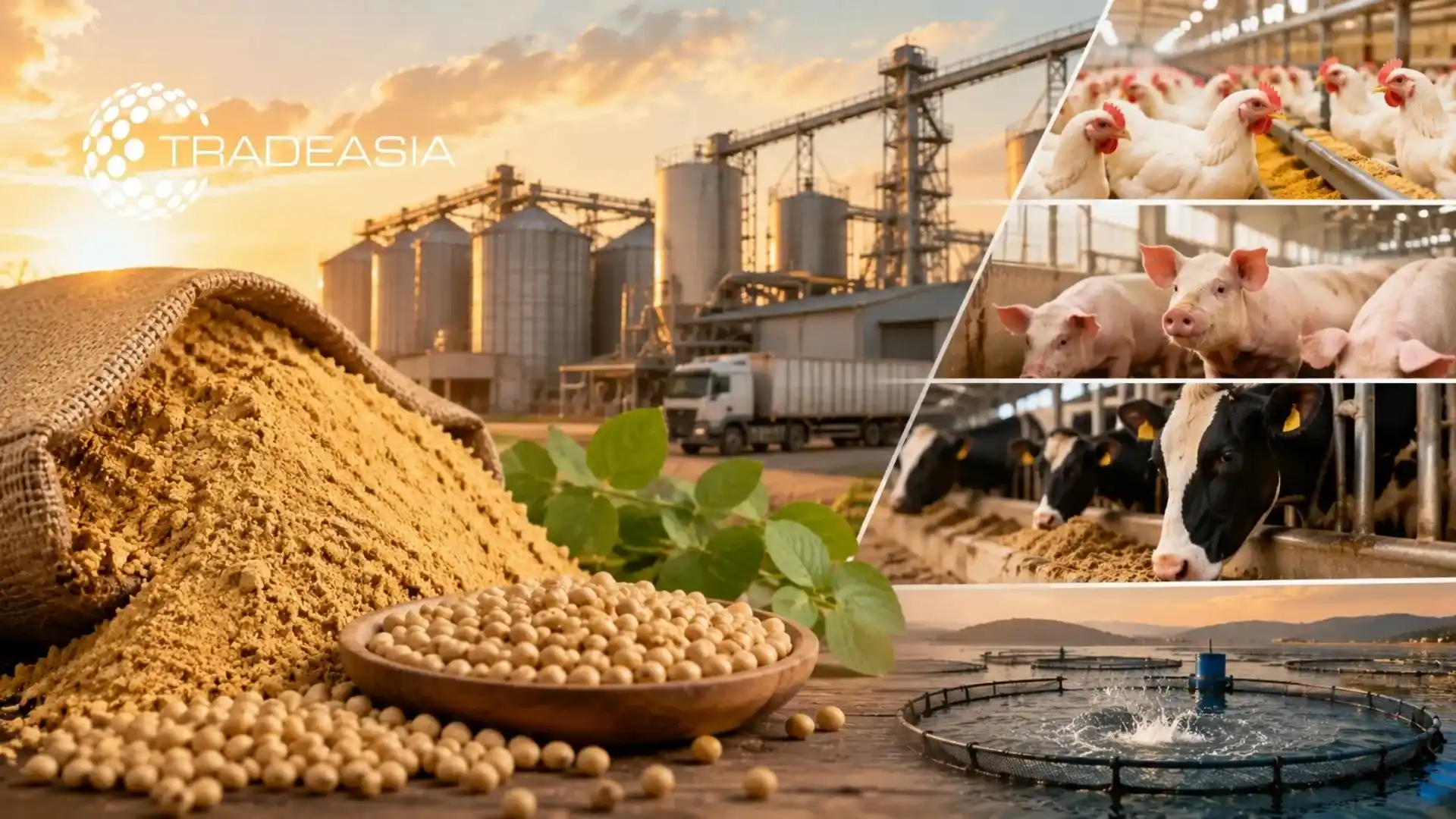
The dominant application remains livestock feed, where linseed meal is valued for its digestible protein and omega-3 enrichment properties. Dairy and poultry producers are increasingly integrating it into feed formulations to improve milk fatty acid profiles and egg quality differentiation. This segment accounts for a major portion of global consumption, particularly in Asia and Europe, where cost-efficient protein alternatives are essential. Feed buyers—ranging from industrial compound feed manufacturers to regional livestock integrators—drive bulk procurement, often locking in long-term contracts due to supply volatility in competing protein meals like soy.
Functional Food and Specialty Ingredient Buyers
Beyond feed, linseed meal is gaining traction among food processors and nutraceutical formulators. Bakery producers, plant-based food brands, and dietary supplement companies are key buyers in this segment. Demand is fueled by clean-label trends and rising adoption of plant-derived fiber and lignan-rich inputs. In this category, refined linseed meal commands premium pricing of up to USD 480–500/MT, reflecting processing costs and certification requirements. The buyer base is smaller but higher-margin, consisting of multinational food brands and contract manufacturers targeting health-focused consumers.
Industrial and Bio-Based Material Applications
A growing industrial buyer segment is emerging in bio-composites, coatings, and biodegradable material production. Linseed meal is increasingly evaluated as a reinforcement filler and lignocellulosic input for sustainable manufacturing systems. Industrial users prioritize consistent particle structure and moisture control, sourcing primarily through bulk commodity traders and oleochemical intermediaries. This segment, though still niche, is expected to accelerate as circular economy regulations tighten across Europe and parts of Asia.
Global Trade Flow and Procurement Strategy Evolution
The buyer landscape is becoming increasingly globalized, with sourcing hubs concentrated in Canada, Eastern Europe, and India. Import-dependent regions such as the Middle East and Southeast Asia rely heavily on traders and distributors for supply stability. Price sensitivity remains high in these markets, where procurement teams benchmark costs around USD 200–280/MT for feed-grade material. Strategic buyers are shifting toward multi-origin sourcing models to mitigate crop volatility and freight disruptions.
Conclusion
Linseed meal is transitioning into a multi-sector platform chemical, linking agricultural processing with high-value downstream industries. Its expanding buyer ecosystem—from feed manufacturers to bio-material innovators—signals long-term structural relevance in global commodity chains.
For global traders and industrial buyers seeking consistent quality sourcing, Tradeasia International plays a pivotal role as a trusted partner, enabling efficient procurement, stable supply chains, and integrated distribution across emerging and established markets.