
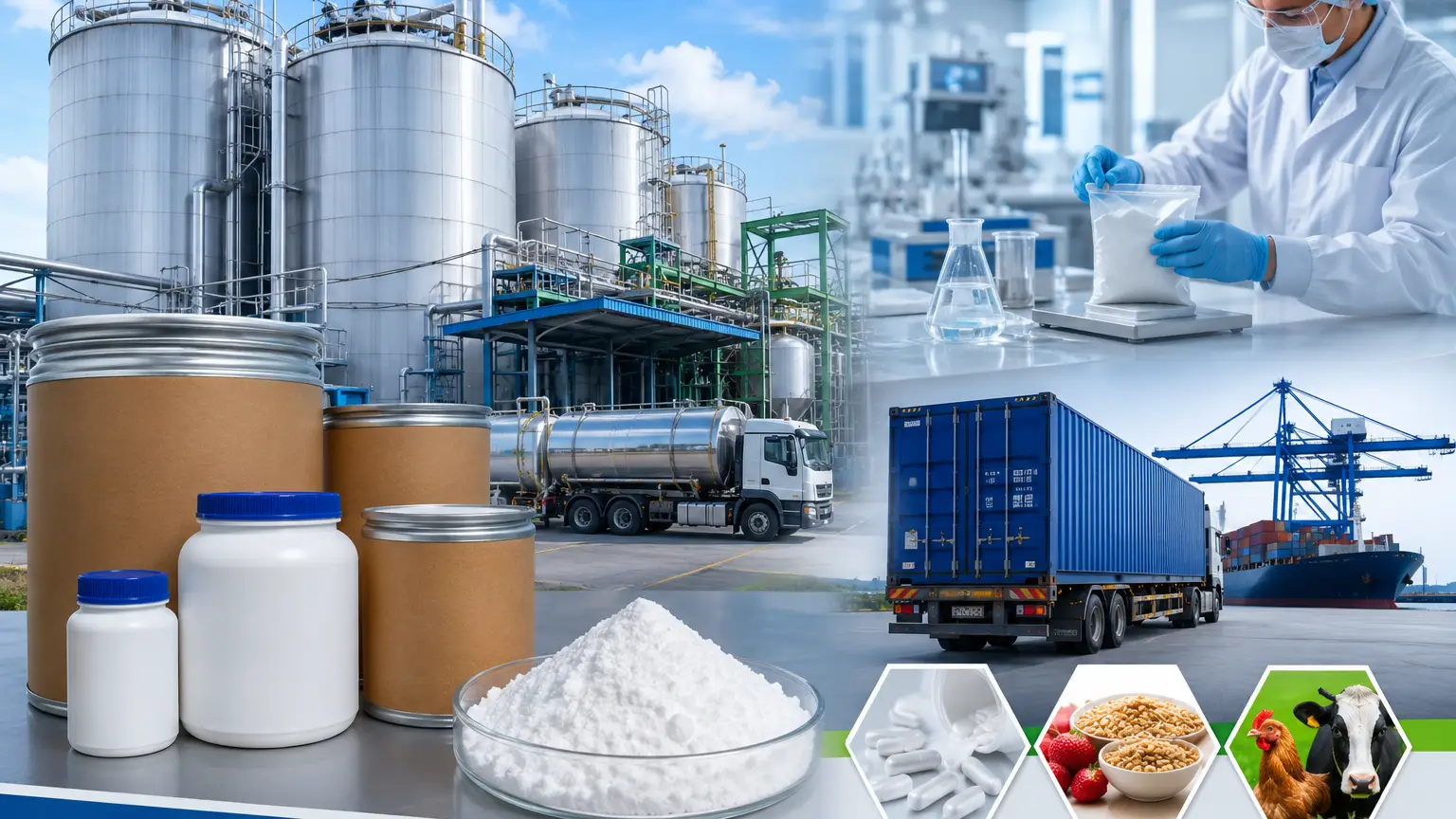
Nicotinic Acid (Vitamin B3): Global Market & B2B Sourcing Insights
Market Overview of Nicotinic Acid
The global market for nicotinic acid, also known as niacin or vitamin B3, continues to expand due to its essential role in pharmaceuticals, food fortification, and chemical manufacturing. As a water-soluble vitamin, it is widely recognized for its metabolic and biochemical importance. According to the World Health Organization (WHO), vitamin B3 compounds are critical micronutrients required in daily nutritional intake, driving consistent demand across healthcare and nutrition industries.
Global Demand Drivers
Nicotinic acid demand is primarily driven by the rising prevalence of vitamin deficiencies and increasing awareness of preventive healthcare. Pharmaceutical-grade production also contributes significantly to global consumption. Additionally, industrial-grade applications in feed and food processing further broaden its market base.
The expansion of nutraceutical industries has created new demand channels for nicotinic acid as a dietary supplement ingredient. Emerging economies are witnessing increased adoption of fortified foods, which strengthens long-term consumption trends. This growth is also supported by government nutrition programs in several regions.
Supply-side dynamics are influenced by raw material availability and chemical synthesis efficiency. Manufacturers are optimizing production methods to meet both pharmaceutical purity standards and industrial-grade requirements. This dual demand structure shapes global trade flows and pricing stability.
Market analysts from industry research organizations highlight steady long-term growth for vitamin derivatives, including nicotinic acid, due to increasing health-conscious consumer behavior. This positions the compound as a stable commodity chemical in the global B2B market.
Industrial Applications Across Key Sectors
Nicotinic acid serves multiple industrial functions across pharmaceuticals, food processing, and chemical manufacturing. Its versatility as a precursor and active ingredient makes it a key raw material in various production chains. According to the U.S. Food and Drug Administration (FDA), niacin compounds are widely used in regulated nutritional formulations and dietary supplements.
Pharmaceutical and Chemical Uses
In pharmaceuticals, nicotinic acid is used for cholesterol management formulations and metabolic support therapies. Its biochemical role in energy metabolism makes it essential in drug development processes targeting cardiovascular health.
Beyond healthcare, it functions as an intermediate in chemical synthesis, supporting the production of pigments, agrochemicals, and specialty compounds. This industrial flexibility increases its value in bulk chemical procurement markets.
Manufacturers also use nicotinic acid in controlled-release formulations and combination drugs. These applications require high-purity grades and consistent quality standards. As a result, pharmaceutical buyers prioritize certified suppliers.
The chemical industry continues to explore expanded uses for nicotinic acid derivatives, particularly in high-performance material production. This diversification strengthens its relevance across global industrial supply chains.
Nicotinic Acid in Pharmaceutical Manufacturing
Pharmaceutical manufacturing remains one of the largest and most regulated consumers of nicotinic acid. The compound plays a critical role in vitamin supplementation therapies and prescription medications targeting lipid regulation. The European Medicines Agency (EMA) recognizes niacin derivatives as active pharmaceutical ingredients (APIs) in several therapeutic applications.
API Production and Quality Standards
In API manufacturing, nicotinic acid must meet stringent purity and compliance requirements. Pharmaceutical companies require consistent particle size distribution and validated synthesis processes to ensure safety and efficacy.
Quality assurance systems such as Good Manufacturing Practice (GMP) are essential for suppliers serving this segment. These standards help maintain batch consistency and regulatory approval across international markets.
Pharmaceutical demand is also influenced by increasing cases of lifestyle-related diseases, including cardiovascular conditions. This has led to greater reliance on niacin-based therapies in preventive medicine.
As healthcare systems expand globally, pharmaceutical-grade nicotinic acid continues to be a high-value commodity within regulated supply chains.
Role in Food Fortification and Animal Nutrition
Nicotinic acid plays a significant role in food fortification programs and animal nutrition formulations. Governments and health organizations promote vitamin enrichment strategies to address micronutrient deficiencies. According to the Food and Agriculture Organization (FAO), vitamin fortification is a key intervention in global nutrition security initiatives.
Food and Feed Industry Applications
In food processing, nicotinic acid is added to cereals, flour, and processed foods to enhance nutritional value. This ensures populations receive adequate vitamin B3 intake through staple diets.
The animal feed industry also utilizes nicotinic acid to support livestock health, growth, and metabolic efficiency. It is commonly included in premix formulations for poultry, swine, and aquaculture feed.
Feed manufacturers prioritize cost-effective and stable vitamin sources to maintain production efficiency. This makes bulk procurement of nicotinic acid essential for large-scale feed operations.
Growing demand for protein-based food products continues to drive expansion in the animal nutrition sector, reinforcing long-term demand for vitamin additives.
Global Market Outlook and Supply Chain Dynamics
The global nicotinic acid market is influenced by raw material availability, production technology, and international trade policies. Asia-Pacific remains a major production hub due to strong chemical manufacturing infrastructure. Market research firms such as OECD trade analysis reports highlight increasing chemical exports from the region.
Supply Chain Structure and Trade Flow
The supply chain for nicotinic acid involves raw material suppliers, chemical manufacturers, distributors, and end-use industries. Each stage requires strict quality control to ensure product consistency.
International trade flows are shaped by regulatory standards and import-export requirements for pharmaceutical and food-grade chemicals. This creates demand for certified and reliable suppliers.
Logistics efficiency plays a crucial role in maintaining competitive pricing in global markets. Bulk shipping and long-term contracts are commonly used to stabilize supply.
As demand grows, supply chain resilience has become a priority for buyers seeking uninterrupted access to vitamin B3 raw materials.
B2B Sourcing and Procurement Considerations
B2B buyers of nicotinic acid evaluate suppliers based on quality certification, pricing stability, and regulatory compliance. Procurement teams in pharmaceuticals and food industries require documentation such as COA (Certificate of Analysis) and GMP certification. Industry procurement standards emphasize supplier transparency and traceability.
Supplier Evaluation and Bulk Procurement
Large-scale buyers prioritize consistent supply capacity and long-term contractual agreements. Price competitiveness is important, but quality assurance remains the primary selection criterion.
Distributors and traders also assess logistics capabilities and global distribution networks. Reliable delivery timelines are essential for maintaining production continuity.
Digital B2B marketplaces have simplified supplier discovery and comparison processes. Buyers can now evaluate multiple sourcing options more efficiently than traditional procurement channels.
This shift toward digital sourcing platforms is transforming how industrial chemicals like nicotinic acid are traded globally.
Buyer Intent and Purchasing Behavior Analysis
Buyers of nicotinic acid typically include pharmaceutical manufacturers, nutraceutical companies, food processors, and animal feed producers. These industries require stable, certified, and scalable raw material supply. Procurement decisions are heavily influenced by compliance, purity grade, and pricing structure.
Procurement Priorities in B2B Markets
Before purchasing, buyers evaluate supplier certifications, production capacity, and regulatory alignment. They also compare origin, packaging standards, and delivery reliability.
Pharmaceutical buyers prioritize API-grade quality, while food and feed industries focus on cost-effective bulk sourcing. This segmentation shapes global pricing and distribution strategies.
Buyers often compare multiple suppliers to reduce supply chain risk and ensure continuity of operations. As a result, diversified sourcing strategies are common in chemical procurement.
The product page and supplier profiles play a crucial role in supporting decision-making by providing technical specifications and compliance documentation.