Introduction
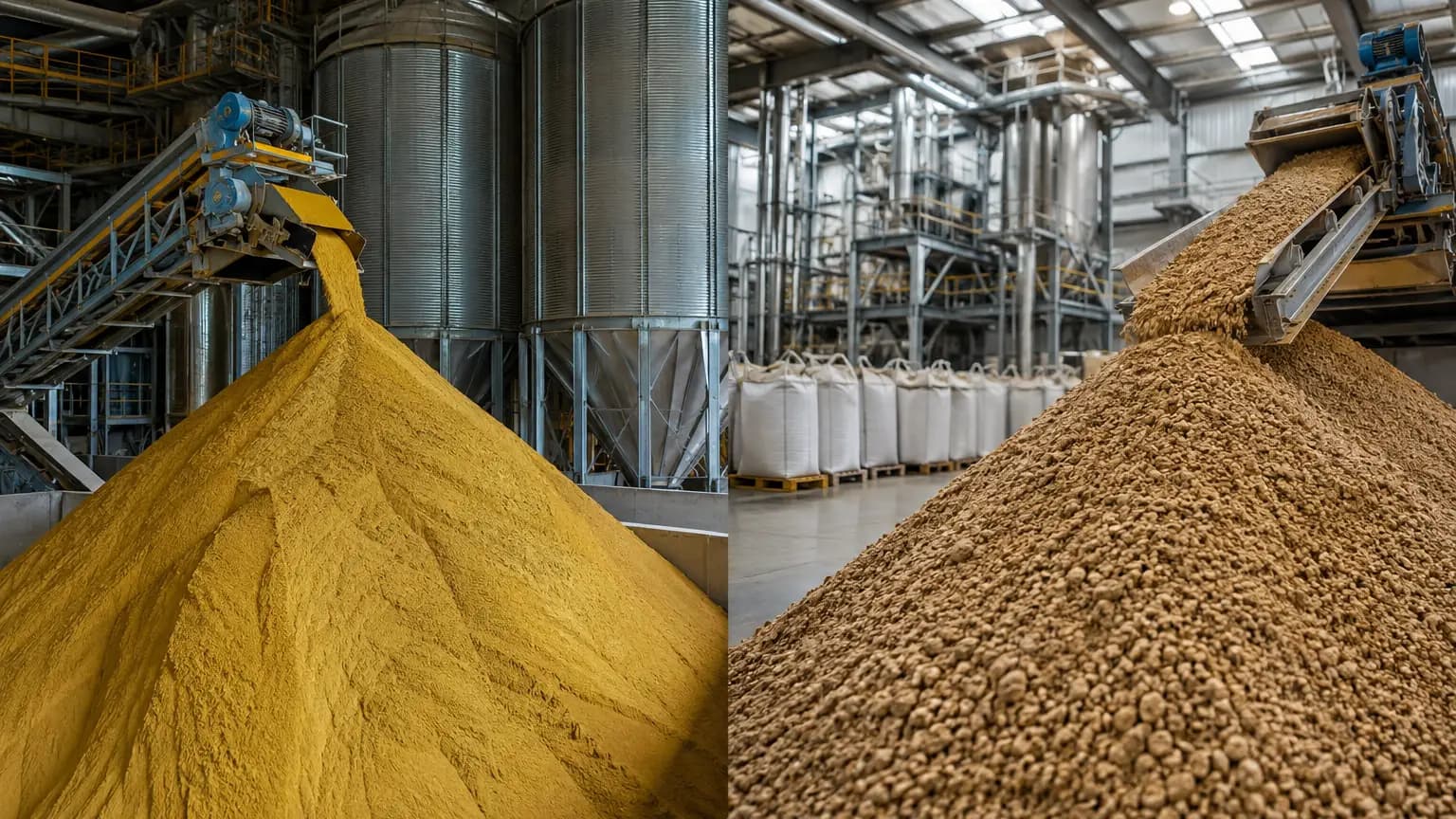
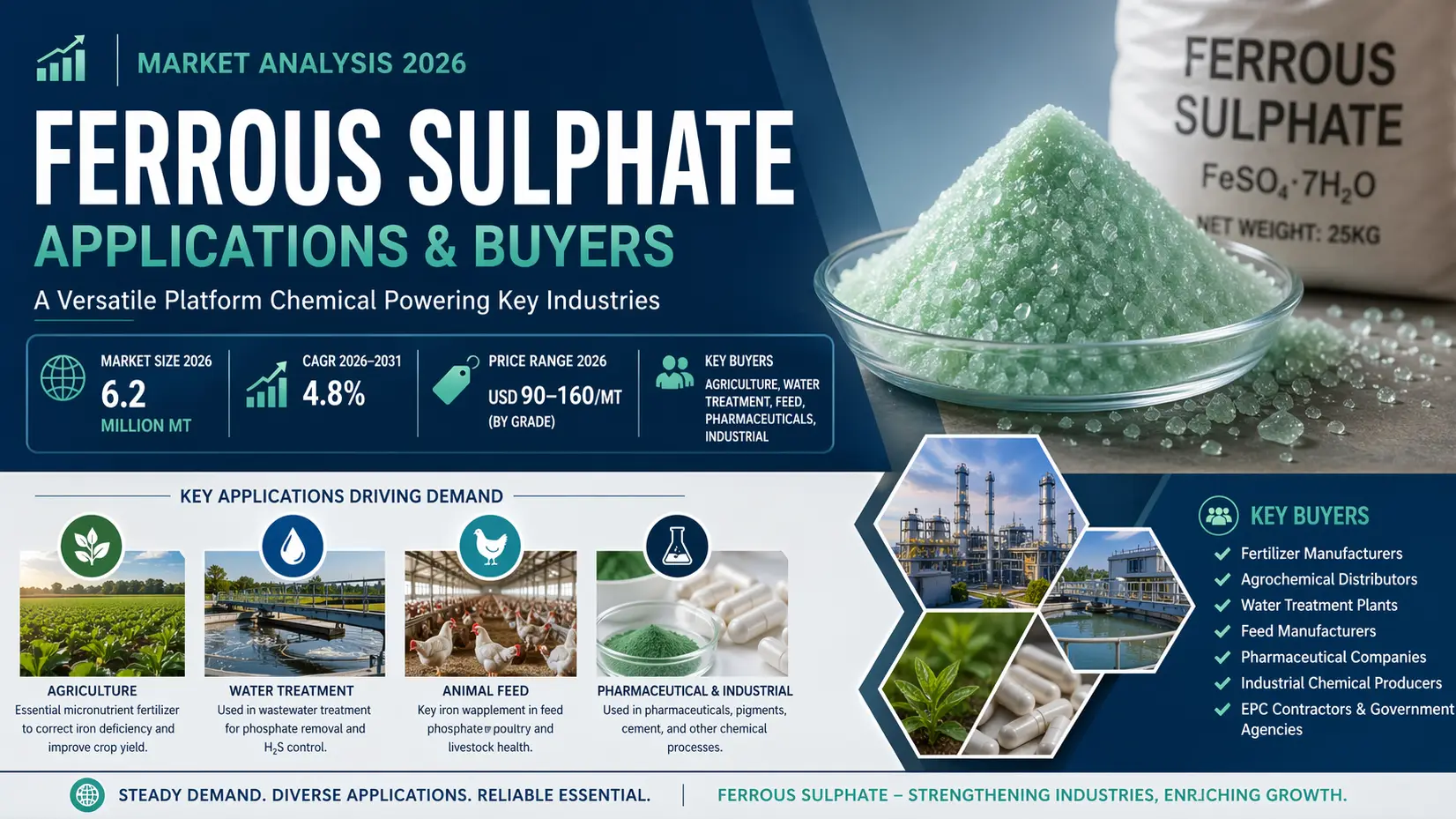
Ferrous sulphate continues to strengthen its position as a foundational platform chemical in global industrial supply chains in 2026, driven by its multifunctional role across agriculture, water treatment, and specialty chemical processing. With global demand expanding steadily at a 4.8% CAGR, the market is increasingly shaped by sustainability-focused applications and cost-efficient sourcing strategies. Global production is estimated at approximately 6.2 million MT in 2026, reflecting rising integration across both developed and emerging economies. Prices remain relatively stable in a competitive raw material landscape, averaging between USD 90–160/MT, depending on purity and heptahydrate or monohydrate grades.
Agricultural Micronutrient Fertilizer Demand Expansion
In agriculture, ferrous sulphate remains essential for correcting iron chlorosis in high-value crops such as citrus, rice, and horticulture. Asia-Pacific dominates consumption, accounting for more than 45% of global demand due to intensive farming practices. Buyers in this segment include fertilizer blenders, agrochemical distributors, and government-supported agricultural programs. The shift toward micronutrient-enriched soil management has significantly increased bulk procurement contracts, particularly in India and China.
Water Treatment and Industrial Effluent Management
Municipal and industrial wastewater treatment plants represent another critical demand center. Ferrous sulphate is widely used for phosphate removal and hydrogen sulfide control in effluent systems. Utilities and EPC contractors are the primary buyers, particularly in Europe and the Middle East, where regulatory tightening is accelerating adoption. Demand from this segment continues to grow as industries invest in low-cost coagulants for large-scale water treatment infrastructure.
Feed, Pharmaceutical and Industrial Consumption Trends
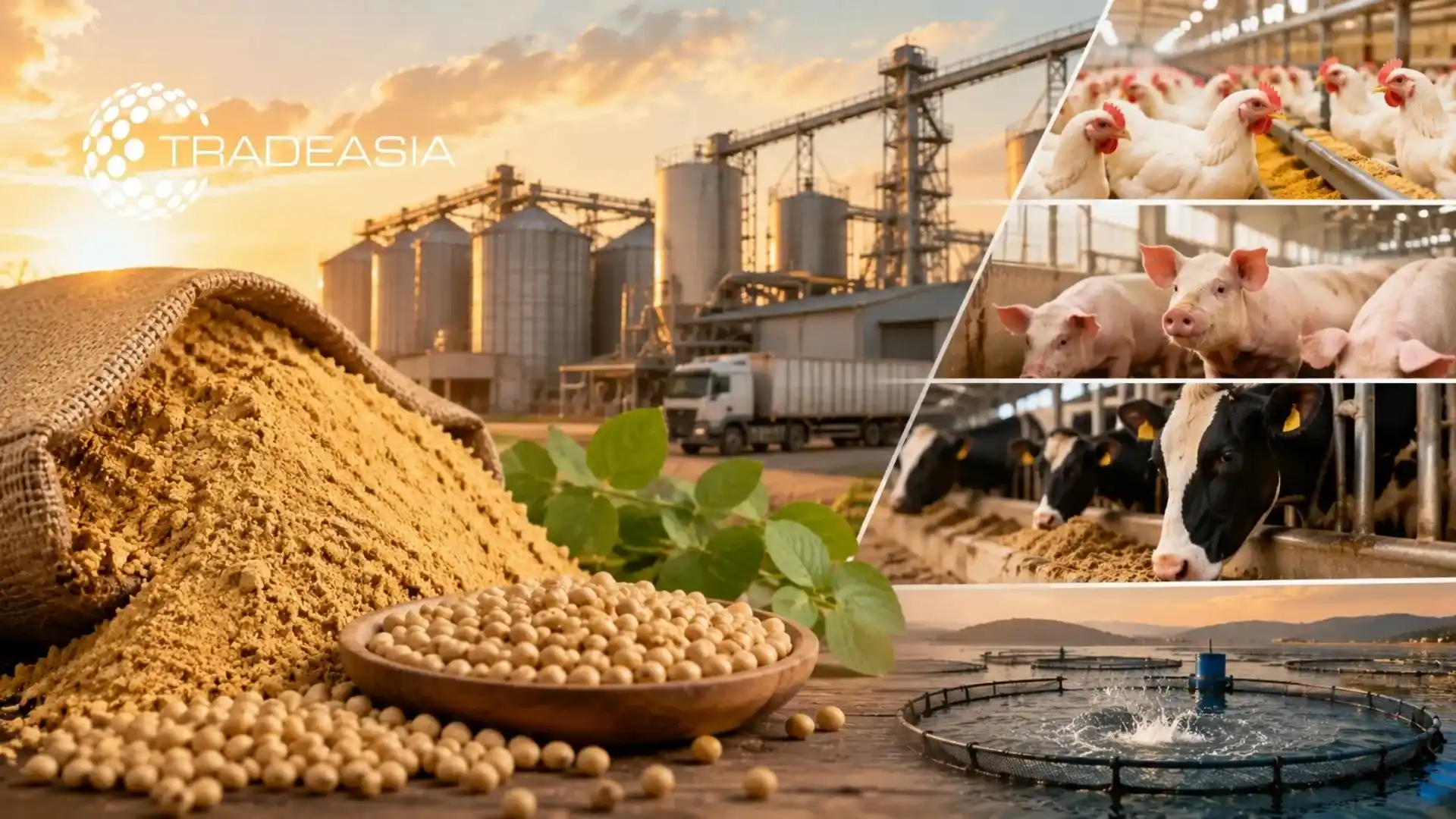
In animal nutrition, ferrous sulphate is a key iron supplement in feed premixes for poultry and livestock, while pharmaceutical-grade variants are used in iron-deficiency formulations. Feed manufacturers and nutraceutical companies are key buyers. Industrial applications, including cement coloring and pigment production, further diversify demand streams, ensuring steady baseline consumption even during agricultural cycles.
Regional Production, Pricing Dynamics and Supply Chain
China remains the largest producer, contributing over 35% of global supply, followed by Europe’s chemical processing hubs. Supply chains are influenced by iron scrap availability and sulfuric acid costs. Price volatility remains moderate, but logistics and energy costs continue to impact landed pricing in import-dependent regions. Strategic procurement and long-term contracts are becoming more common among large-scale buyers to stabilize input costs.
Conclusion
As ferrous sulphate solidifies its role as a versatile platform chemical, its demand trajectory reflects broader industrial shifts toward cost-effective and sustainable chemical inputs. Market participants are increasingly seeking integrated sourcing partners capable of ensuring consistent quality and global delivery efficiency. In this context, Tradeasia International emerges as a reliable global solution provider, offering streamlined supply chain access and consistent chemical sourcing for diverse industrial applications worldwide.
Sources