Introduction
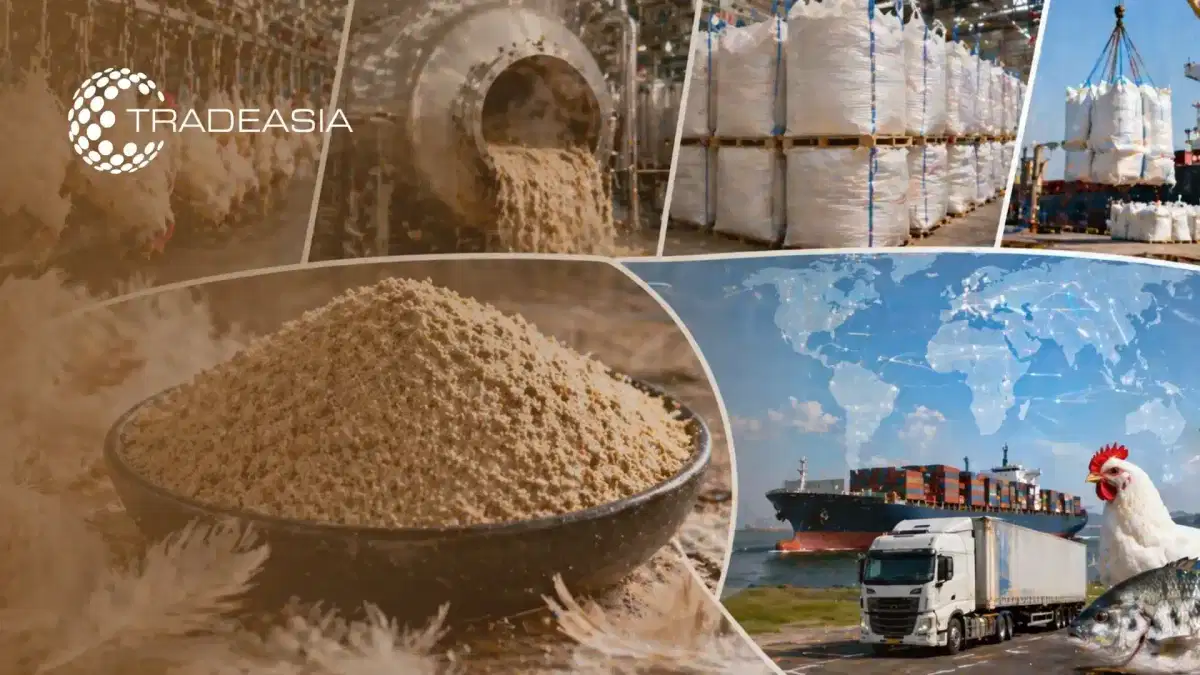
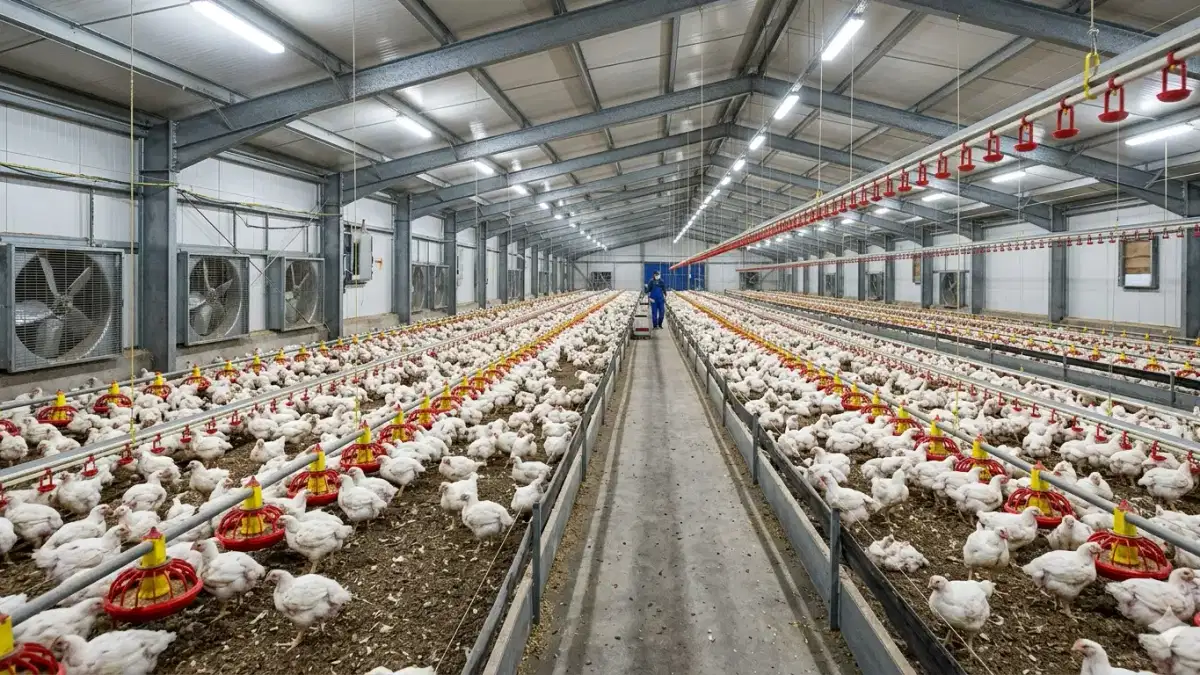
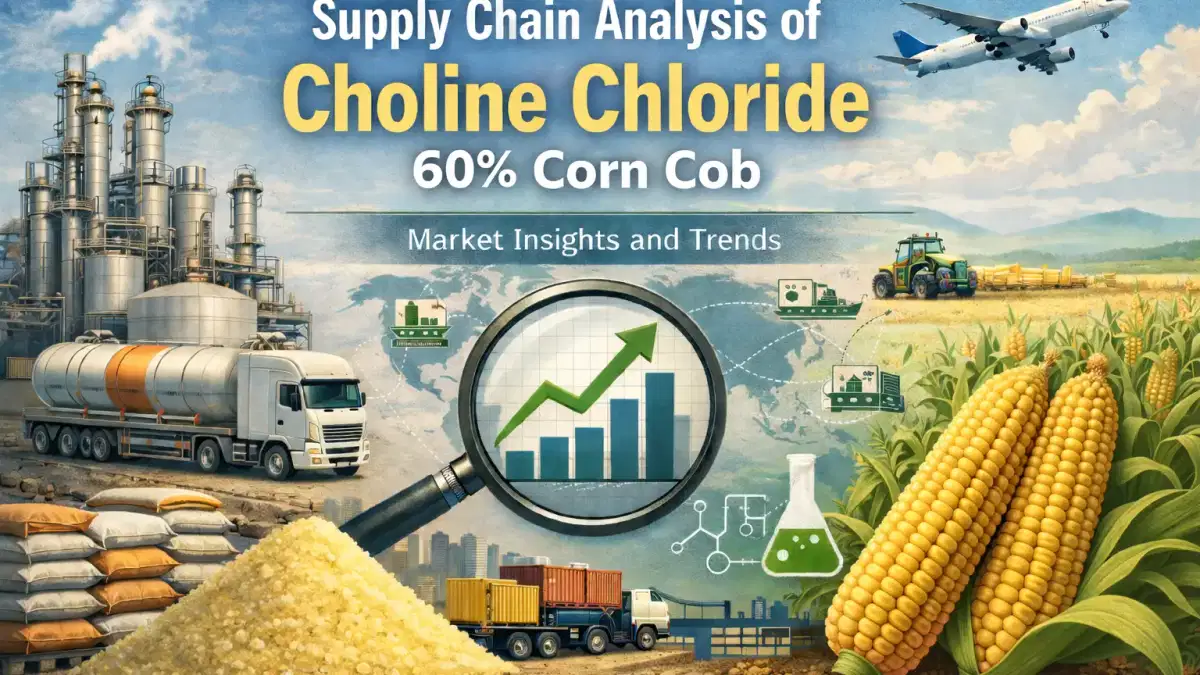
Choline Chloride 60% Corn Cob has emerged as a critical platform chemical within the global animal nutrition sector, serving as a cost-effective and stable feed additive. Its role in improving livestock metabolism and feed efficiency continues to anchor demand across poultry and swine industries. As of 2026, the supply chain for this product reflects a complex interplay between agricultural feedstock availability, regional production strengths, and evolving global trade routes. With demand projected to grow at a CAGR of 5.8%, the market is increasingly shaped by both upstream agricultural dependencies and downstream feed industry expansion.
Raw Material Sourcing and Feedstock Volatility
The supply chain begins with two essential inputs: trimethylamine and agricultural carriers such as corn cob. The latter introduces exposure to seasonal crop cycles and climate variability. In 2025–2026, corn cob availability tightened in key exporting regions like China and the United States due to fluctuating corn harvest yields. This has led to feedstock cost increases of approximately 8–12% year-on-year, directly influencing production economics. As sustainability pressures mount, suppliers are also exploring alternative biomass carriers, although corn cob remains dominant due to its cost-efficiency and absorption properties.
Manufacturing Capacity and Regional Production Trends
Global production capacity for Choline Chloride 60% Corn Cob is estimated at 1.9 million metric tons annually, with Asia-Pacific accounting for nearly 65% of total output. China continues to lead due to integrated chemical manufacturing ecosystems and proximity to raw materials. However, capacity expansions in Southeast Asia and Eastern Europe are gradually diversifying supply. Notably, new facilities coming online in 2026 are expected to add 120,000–150,000 MT of incremental capacity, aimed at stabilizing export supply and reducing dependency on single-region sourcing.
Pricing Dynamics and Trade Flows
Pricing trends in 2026 reflect moderate volatility, with average global prices ranging between USD 480–620/MT, depending on origin and contract volumes. Freight costs and regional demand imbalances have widened price differentials, particularly between Asian exports and European imports. Long-term contracts are increasingly favored by buyers to hedge against price fluctuations. Meanwhile, intra-Asia trade remains robust, driven by strong feed production growth in Vietnam, Indonesia, and India.
Logistics, Distribution, and Supply Chain Risks
The logistics framework for Choline Chloride 60% Corn Cob is shaped by bulk handling requirements and sensitivity to moisture. Disruptions in maritime routes, particularly in the Red Sea and key Asian shipping lanes, have added transit time variability of up to 10–15 days in certain corridors. Companies are responding by diversifying logistics partners and increasing regional warehousing. Digital supply chain monitoring is also gaining traction, enabling better demand forecasting and inventory control across distribution networks.
Conclusion
As a platform chemical, Choline Chloride 60% Corn Cob will remain integral to global feed additive supply chains, underpinned by rising protein consumption and livestock productivity demands. While raw material volatility and logistics risks persist, ongoing capacity expansions and supply chain digitization are expected to enhance market resilience.
For businesses navigating this evolving landscape, working with a reliable global sourcing partner can make a measurable difference. Tradeasia International offers integrated solutions in chemical procurement, logistics coordination, and market intelligence—helping clients secure consistent supply and competitive pricing in a dynamic market environment.
Sources