
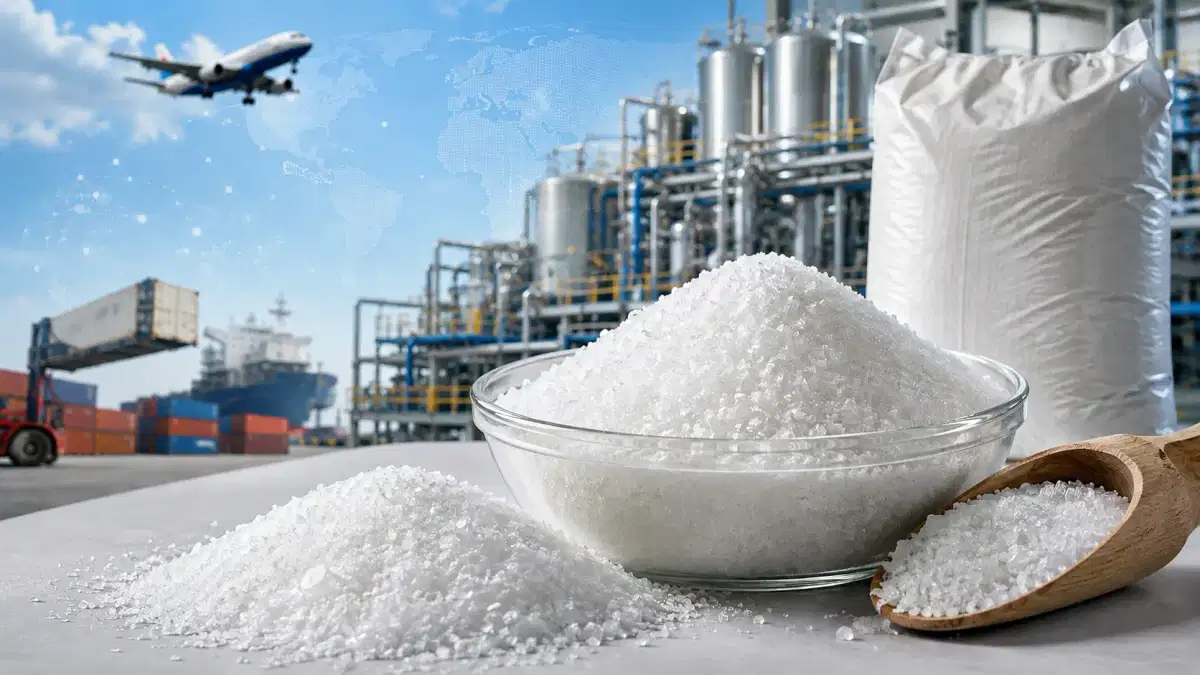
Understanding the Product
Diammonium Phosphate (DAP) is a commercially important phosphate compound with applications spanning agriculture, food processing and other industrial markets. In fertilizer markets, DAP is valued because it supplies both nitrogen and phosphorus, while food-grade diammonium hydrogen phosphate is recognized as INS 342(ii) by the Codex food-additive system. The dual-market nature of the product makes grade selection particularly important for international buyers because agricultural and food-processing requirements are not interchangeable.
Why Applications Matter to Buyers
For procurement teams, the commercial value of Diammonium Phosphate depends less on the chemical name alone and more on its intended application, required specification and regulatory status. Food manufacturers may require material meeting food-additive specifications, while fertilizer formulators typically evaluate nutrient content, physical characteristics, moisture and handling performance. This means buyers should define the application before comparing supplier quotations, packaging options or landed costs.
A Two-Market Product
The distinction between fertilizer-grade and food-grade material is central to B2B purchasing. FAO fertilizer specifications identify DAP as a major fertilizer material and specify minimum nutrient characteristics, while JECFA identifies diammonium hydrogen phosphate for technological food functions. For distributors, this creates an opportunity to serve specialized customer segments, provided product documentation and grade identification remain clear throughout the supply chain.
Commercial Relevance for Global Trade
Diammonium Phosphate therefore occupies an interesting position in international chemical and agricultural trade. Buyers can include fertilizer manufacturers, agricultural distributors, food processors and specialty chemical distributors, each with different purchasing criteria. A B2B sourcing strategy should consequently connect the product's technical specification with its final application rather than treating DAP as a single standardized commodity across every market.
Food Processing Applications of Diammonium Phosphate
Food-Grade Functional Uses
Food-grade diammonium hydrogen phosphate has established technological functions in food processing. The JECFA specification identifies it as an acidity regulator, dough conditioner, raising agent and yeast food, demonstrating why food processors may evaluate the ingredient according to functionality as well as purity. These functions make application knowledge particularly relevant for bakery and other formulated-food buyers assessing phosphate ingredients.
Bakery and Fermentation Applications
One important commercial application is bakery processing, where phosphate ingredients can support dough and leavening systems. Diammonium hydrogen phosphate is also identified within Codex materials under functional classes that include acidity regulation, flour treatment, stabilizing and thickening functions. Buyers therefore need to consider not only whether DAP is technically suitable but also whether its grade, purity and regulatory documentation align with the formulation.
Regulatory Compliance
Food manufacturers sourcing Diammonium Phosphate should distinguish food-grade material from fertilizer-grade product at the procurement stage. JECFA lists diammonium hydrogen phosphate under INS 342(ii) and provides specifications for identity and purity, while the Codex GSFA database provides the framework for checking permitted food-additive provisions by additive and food category. Regulatory requirements can vary by destination market, making documentation an important part of commercial qualification.
Procurement Implications
For food-industry buyers, a competitive offer is therefore not simply the lowest price per metric ton. The supplier must be able to demonstrate appropriate grade identification, technical documentation and consistency for the intended food application. Buyers should evaluate specifications alongside certificates and applicable regulatory requirements before approving a source, particularly when material will enter an international food-processing supply chain.
Agricultural and Fertilizer Applications
Nutrient Supply
Agriculture represents a major commercial application for Diammonium Phosphate. FAO fertilizer specifications identify DAP as a commonly used fertilizer and specify minimum nutrient characteristics, including 18% total nitrogen and 46% neutral ammonium citrate-soluble phosphate expressed as P₂O₅. This nutrient profile explains its importance to fertilizer manufacturers, agricultural distributors and buyers seeking concentrated nitrogen-phosphorus inputs.
Fertilizer Formulation
DAP can also serve as an important component in fertilizer formulation strategies because it provides two major plant nutrients in one material. FAO explains that fertilizer grades communicate nutrient guarantees by weight and distinguish straight fertilizers from compound or complex fertilizers. For industrial buyers, this makes nutrient analysis, physical form and compatibility with downstream blending processes important purchasing considerations.
Agricultural Supply Chains
The agricultural market creates demand across several levels of the supply chain, from fertilizer producers and importers to wholesalers and regional distributors. Procurement decisions can be influenced by crop cycles, regional fertilizer demand, transportation costs, storage capacity and availability of alternative phosphate products. Phosphate supply is also strategically important because phosphorus is an essential element in plant nutrition and phosphate rock is the principal global resource used to produce phosphate fertilizers.
Commercial Buying Considerations
Agricultural buyers should therefore evaluate DAP on a delivered-cost basis rather than relying solely on an ex-works or FOB quotation. Moisture, nutrient concentration, particle characteristics, packaging, shipment size and destination logistics can all influence the practical economics of a purchase. A supplier capable of supporting consistent specifications and predictable international delivery can provide value beyond the nominal chemical price.
Key Diammonium Phosphate Buyer Segments
Food Manufacturers
Food manufacturers represent a specialized buyer segment for food-grade diammonium hydrogen phosphate. Their procurement teams are typically concerned with ingredient functionality, purity, documentation and regulatory acceptance in the destination market. Because JECFA defines specific identity and purity parameters for diammonium hydrogen phosphate, food processors should align supplier qualification with the requirements of the finished-product application.
Fertilizer Producers
Fertilizer manufacturers are another major buyer group, particularly companies producing phosphate-based fertilizers or compound formulations. Their priorities generally center on nutrient analysis, material consistency, physical handling characteristics, packaging and dependable bulk availability. The FAO DAP specification provides a useful reference point for understanding core fertilizer-quality requirements.
Distributors and Importers
Chemical and agricultural distributors can occupy an important position between producers and end users. These buyers often need commercially flexible supply, appropriate packaging, export documentation and consistent product quality to serve multiple downstream customers. Their sourcing strategy may also require access to more than one grade or supply origin, particularly when customers operate across food, agriculture or industrial markets.
Procurement and Trading Companies
International procurement companies and chemical traders typically evaluate Diammonium Phosphate through a combination of technical, commercial and logistical criteria. Supplier reliability, documentation, shipment execution, payment terms and destination-market compliance can all influence supplier selection. For these buyers, a B2B marketplace can be useful when it connects product information with a transparent sourcing process and helps narrow suppliers according to application-specific requirements.
Quality and Specification Considerations
Product Grade
Grade identification is one of the first considerations when purchasing Diammonium Phosphate. A food processor looking for diammonium hydrogen phosphate as a food additive has fundamentally different requirements from an agricultural buyer purchasing fertilizer-grade DAP. Confusing these applications can create compliance and quality risks, so buyers should establish the required grade before requesting commercial quotations.
Technical Specifications
Technical specifications should reflect the intended end use. For fertilizer DAP, FAO identifies moisture, nitrogen and phosphate parameters among its specifications, including maximum moisture of 1.5%, minimum nitrogen of 18% and minimum neutral ammonium citrate-soluble phosphate of 46% as P₂O₅. Food-grade purchasing, meanwhile, requires reference to the applicable food-additive specification and destination-market rules.
Documentation
Documentation can be as important as the material itself in international B2B transactions. Buyers may require technical specifications, certificates of analysis, safety documentation, product identification and relevant regulatory information depending on the application and destination. The Codex GSFA provides an internationally recognized reference point for checking food-additive provisions, while FAO fertilizer specifications provide a reference for agricultural procurement.
Consistency and Quality Control
Consistent quality becomes especially important when Diammonium Phosphate is incorporated into repeat manufacturing programs. Variations in nutrient content, moisture or physical properties can affect fertilizer formulation and handling, while food processors require confidence that incoming material remains within the applicable specification. Buyers should therefore consider supplier quality systems, batch documentation and pre-shipment verification when establishing long-term supply relationships.
B2B Sourcing and Procurement Strategy
Defining the Purchase Requirement
A strong sourcing process begins with a precise product requirement. Procurement teams should specify whether they require food-grade diammonium hydrogen phosphate or fertilizer-grade DAP, together with the desired specification, packaging, quantity, destination and delivery terms. Clear requirements allow suppliers to quote comparable products and reduce the risk of receiving offers for technically unsuitable material.
Comparing Supplier Offers
Price comparison should extend beyond the headline quotation. Buyers should consider specification compliance, packaging, minimum order quantity, shipment economics, documentation, lead time and delivery reliability when evaluating suppliers. This approach is particularly important for international DAP procurement because the lowest unit price may not represent the lowest total landed cost after freight, handling, inspection and other supply-chain expenses are included.
Supply Reliability
For recurring B2B requirements, supply continuity can be a decisive factor. Agricultural buyers may face seasonal demand patterns, while food manufacturers often require predictable replenishment to maintain production schedules. A supplier or marketplace capable of supporting regular communication, documentation and shipment coordination can help procurement teams reduce uncertainty and improve supply planning.
Building a Long-Term Supplier Relationship
Long-term sourcing relationships should be based on transparent specifications and repeatable quality rather than price alone. Buyers can improve procurement efficiency by maintaining approved specifications, reviewing certificates of analysis, monitoring shipment performance and periodically reassessing supplier competitiveness. For distributors, this approach can also strengthen their ability to offer dependable Diammonium Phosphate supply to downstream customers.
Market Outlook and Supply Considerations
Agricultural Demand
The long-term importance of Diammonium Phosphate remains closely connected to global agricultural production because phosphorus and nitrogen are fundamental plant nutrients. USGS notes that phosphorus is essential to plant and animal nutrition and that most phosphorus consumption is associated with nitrogen-phosphorus-potassium fertilizers used on food crops. This underlying agricultural role supports continued relevance for DAP within fertilizer supply chains.
Phosphate Supply Chain
The DAP supply chain begins with phosphate resources and processing infrastructure and extends through fertilizer production, international trade, distribution and agricultural use. USGS identifies phosphate rock as the only significant global resource of phosphorus and tracks worldwide supply, demand and material flows. Consequently, buyers should view DAP procurement within the broader context of phosphate availability rather than considering only immediate supplier quotations.
Food-Industry Demand
Food applications provide a distinct market pathway for diammonium hydrogen phosphate. Because the substance has recognized food-additive functions and an established INS designation, food-grade sourcing depends heavily on regulatory and quality requirements. This makes application-specific sourcing especially important for manufacturers that need traceable, specification-compliant ingredients.
Strategic Buyer Outlook
For B2B buyers, the most practical outlook is therefore one of application-driven procurement. Fertilizer customers should focus on nutrient specifications, physical quality and supply continuity, while food processors should prioritize food-grade compliance, purity and functional suitability. Distributors and traders can serve both markets by maintaining clear grade separation and building sourcing networks around documented product requirements.
Conclusion: Building Reliable Diammonium Phosphate Supply
From Product Selection to Procurement
Diammonium Phosphate is commercially relevant because it serves different requirements across agriculture, fertilizer manufacturing and food processing. Its fertilizer role is defined by its nitrogen and phosphate contribution, while food-grade diammonium hydrogen phosphate has recognized technological functions and the INS 342(ii) designation. Understanding these distinctions is the starting point for effective B2B purchasing.
Matching Grade to Application
Successful procurement depends on matching the correct grade with the intended application. Fertilizer buyers need to evaluate nutrient specifications and physical characteristics, whereas food manufacturers must assess food-grade identity, purity and applicable regulatory requirements. This application-first approach helps procurement teams compare suppliers more accurately and avoid purchasing material that does not meet the requirements of the final product.
Creating Supply Chain Value
Reliable sourcing also requires attention to documentation, logistics and supplier consistency. A competitive Diammonium Phosphate sourcing strategy should combine appropriate specifications with dependable shipment execution, transparent commercial terms and quality control. For distributors and procurement teams, these factors can make the difference between a one-time transaction and a sustainable supply relationship.
Tradeasia as a B2B Sourcing Partner
For companies seeking to source Diammonium Phosphate for agricultural, fertilizer, food-processing or distribution requirements, Tradeasia International can serve as a B2B sourcing channel connecting buyers with international chemical supply opportunities. Through an application-focused procurement approach, buyers can evaluate product requirements, supplier capabilities and commercial considerations before moving toward a suitable sourcing arrangement.
Sources
Ammonium Bicarbonate (E503(ii)) CAS: 1066-33-7