Introduction
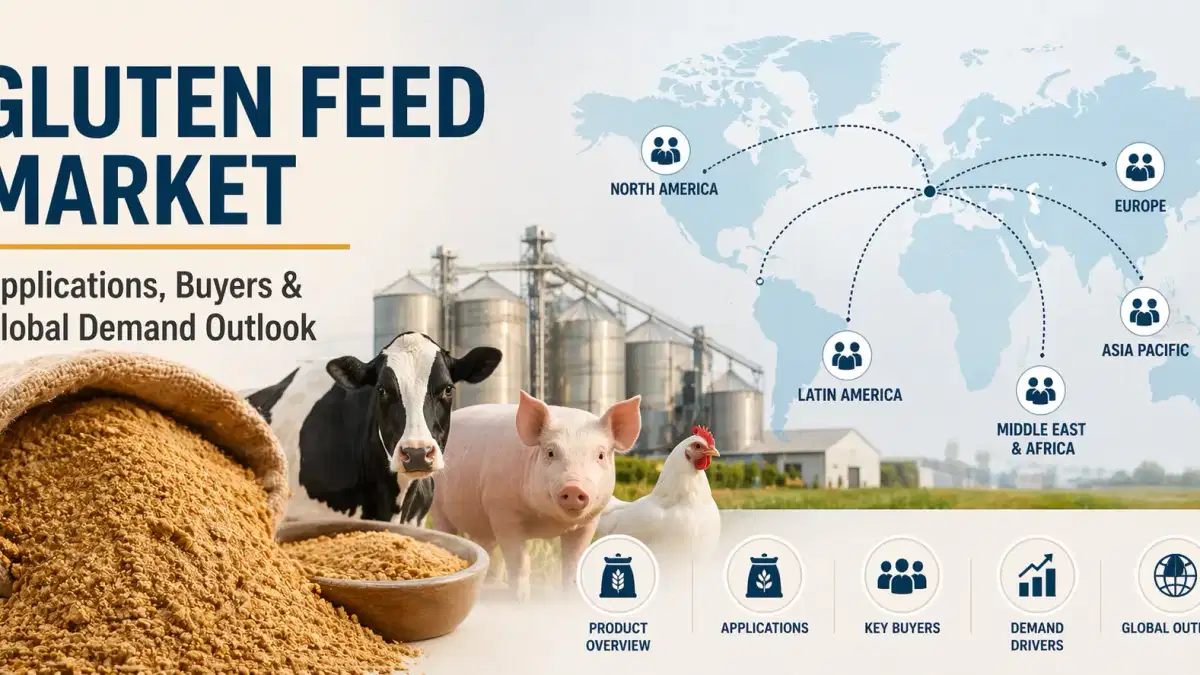
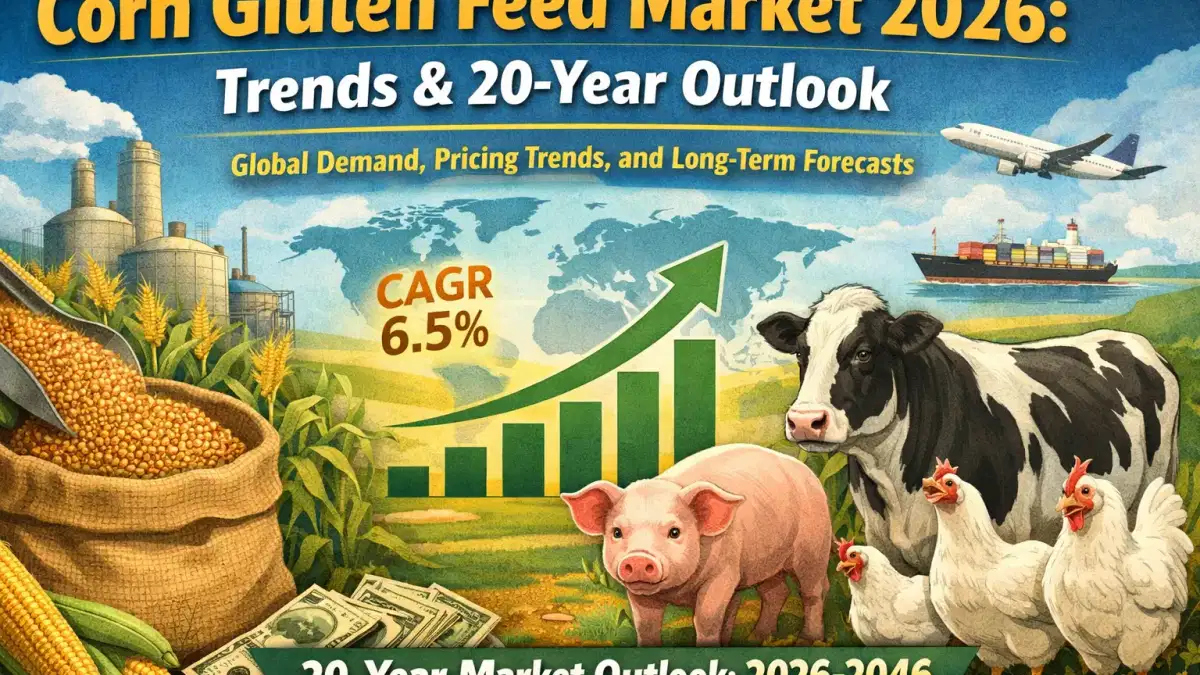
The corn gluten market in 2026 continues to strengthen as a key agro-industrial derivative of corn wet milling, widely recognized for its high protein value and functional versatility. Positioned as a cost-efficient feed ingredient and agricultural input, corn gluten—both meal and feed variants—has become an essential component in global supply chains. The market is projected to grow at a steady 4.8% CAGR, supported by rising demand in protein-rich animal nutrition and sustainable crop inputs. Average pricing ranges between $180–$320/MT, while global production volumes are estimated at over 6.5 million MT, reflecting stable integration into large-scale corn processing ecosystems.
Animal Feed and Livestock Demand Expansion
The dominant application of corn gluten remains livestock feed, particularly in poultry and ruminant nutrition. High digestible protein content makes it a preferred substitute for soybean meal in cost-sensitive markets. In 2026, feed manufacturers account for nearly 55% of total demand, driven by expanding meat consumption in Asia and Latin America. Buyers increasingly prioritize consistent protein density, pushing long-term procurement contracts across integrated feed mills and commercial livestock operations.
Aquaculture and Specialty Feed Integration
Aquaculture feed formulations are rapidly incorporating corn gluten as a partial protein replacement, especially in tilapia and carp farming systems. The sector’s demand is rising alongside global aquaculture output, which surpassed 95 million MT of fish production equivalents. Corn gluten’s amino acid profile and binding properties support pellet stability, making it attractive for formulated feed producers targeting efficiency gains and reduced dependency on fishmeal imports.
Industrial and Agricultural Applications Growth
Beyond feed, corn gluten is gaining traction in agricultural weed control and organic fertilizer blends. As a natural pre-emergent herbicide, it supports sustainable farming practices, particularly in North America and Europe. Agricultural buyers value its nitrogen content, while industrial users explore applications in biodegradable adhesives and fermentation-based bioproducts. This diversification is gradually reshaping its market identity from byproduct to multifunctional bio-resource.
Buyer Landscape and Supply Chain Dynamics
The buyer ecosystem spans feed manufacturers, agribusiness distributors, fertilizer companies, and export-oriented commodity traders. Large integrated corn processors dominate supply, ensuring stable availability tied to starch and ethanol production cycles. However, regional demand volatility and logistics costs continue to influence spot pricing. Strategic sourcing partnerships are becoming critical as buyers seek long-term supply stability in a tightening agricultural input market.
Conclusion
Corn gluten, as a versatile platform-derived ingredient from corn wet milling, is steadily transitioning from a traditional feed input to a multi-sector industrial resource. Its expanding role across feed, aquaculture, and sustainable agriculture highlights its strategic importance in global bio-based value chains. As demand complexity increases, buyers are prioritizing reliability, technical support, and consistent quality sourcing.
In this evolving landscape, Tradeasia International emerges as a trusted global solution provider, bridging supply and demand through integrated chemical and agro-industrial distribution networks. With strong sourcing capabilities and regional market expertise, it supports industries seeking consistent access to corn gluten and related feedstock materials across dynamic global markets.
Sources