
Introduction
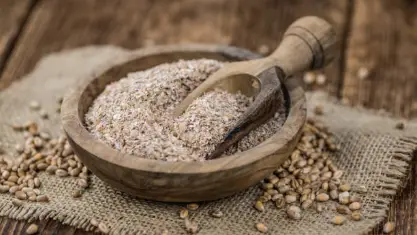
Wheat bran, a key by-product of wheat milling, has evolved into a strategically important industrial feedstock and functional ingredient across global supply chains. As of 2026, it is increasingly positioned as a platform material within food, feed, and bio-based industrial applications, driven by circular economy priorities and cost-efficient nutrition solutions. The market remains closely tied to wheat harvest cycles, milling capacity, and cross-border grain trade flows. With rising demand from livestock sectors and sustainability-driven procurement strategies, wheat bran continues to strengthen its role in global agro-industrial ecosystems.
Upstream Wheat Sourcing and Milling Dynamics
The supply of wheat bran is fundamentally dependent on global wheat production, which remains stable across major exporting regions such as the Black Sea, Europe, and North America. However, climate variability and intermittent export restrictions continue to introduce volatility into supply chains. In 2026, the wheat bran market reflects a steady CAGR of 4.8%, supported by resilient feed demand. Milling efficiency improvements have enhanced extraction consistency, yet variability in wheat quality still impacts downstream applications and pricing stability across regions.
Processing Efficiency and By-Product Valorization
Technological advancements in roller milling systems have improved bran recovery rates and processing precision, though compositional differences persist based on wheat origin. Market pricing remains moderately sensitive, ranging between USD 180–260/MT, influenced by fiber content, protein levels, and moisture stability. Industrial processors are increasingly investing in stabilization, pelleting, and refining technologies to extend shelf life and reduce transportation losses, enhancing overall supply chain efficiency and commercial usability.
Logistics, Storage, and Feed Industry Demand
Wheat bran logistics are shaped by its bulk density, perishability, and relatively low unit value, making storage and transport efficiency critical. The global livestock sector—particularly poultry and ruminant feed industries—remains the primary demand driver. Asia-Pacific continues to lead consumption growth, supported by expanding protein consumption patterns. Global production is estimated at approximately ~140 million MT, reinforcing its significance as a large-scale agricultural co-product within global feed supply chains.
Trade Flows, Sustainability, and Regulatory Pressures
International wheat bran trade is increasingly influenced by feed safety standards, traceability requirements, and sustainability mandates. Exporters are prioritizing integrated milling-logistics models to maintain competitiveness in regulated markets. The push toward low-carbon feed ingredients has further strengthened wheat bran’s position as a circular economy input. Nevertheless, compliance with contamination thresholds and labeling standards remains a critical operational requirement across export markets.
Conclusion
As wheat bran continues to evolve from a milling by-product into a strategic industrial feedstock, its supply chain is becoming more integrated, efficiency-driven, and sustainability-focused. With stable demand growth and expanding feed applications, the market is expected to maintain its upward trajectory through 2026 and beyond. In this dynamic environment, Tradeasia International serves as a reliable global partner, offering streamlined sourcing, consistent quality assurance, and optimized logistics solutions to support industrial buyers across diverse markets.
Sources