
Introduction
Soybean meal continues to function as a foundational platform input in the global animal feed and agri-processing ecosystem, anchoring protein supply chains across poultry, swine, and aquaculture industries. As of 2026, the market reflects a structurally tight yet expanding balance between soybean crushing capacity, meal exports, and livestock demand growth. With global production estimated at 265 million MT and pricing averaging USD 380–420/MT, the sector is shaped by both macroeconomic volatility and long-term feed protein demand growth projected at a 4.2% CAGR.
Global Supply Chain Structure and Feedstock Dependence
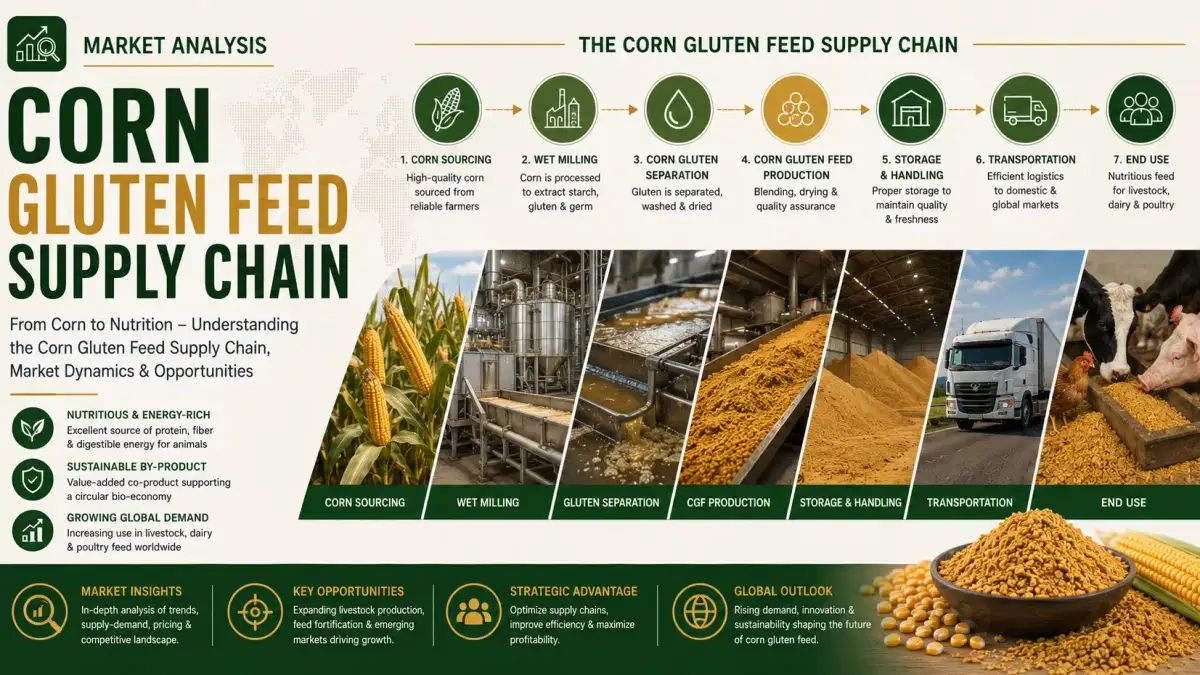
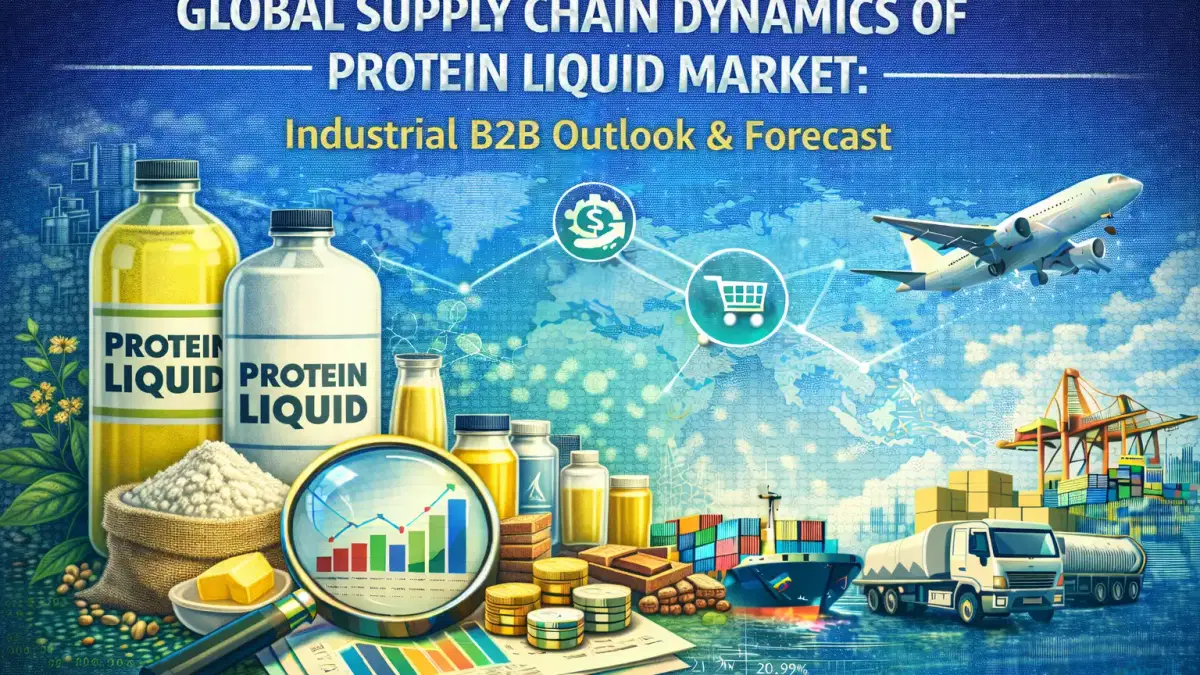
Soybean meal supply chains are deeply integrated with upstream soybean cultivation in Brazil, the United States, and Argentina, which collectively account for more than 75% of global crush output. The dependency on harvest cycles and oilseed yield variability introduces structural sensitivity into meal availability. In 2026, logistics bottlenecks in inland transport and port congestion continue to influence export timing, particularly from South America to Asian feed markets.
Crushing Capacity Expansion and Regional Trade Flows
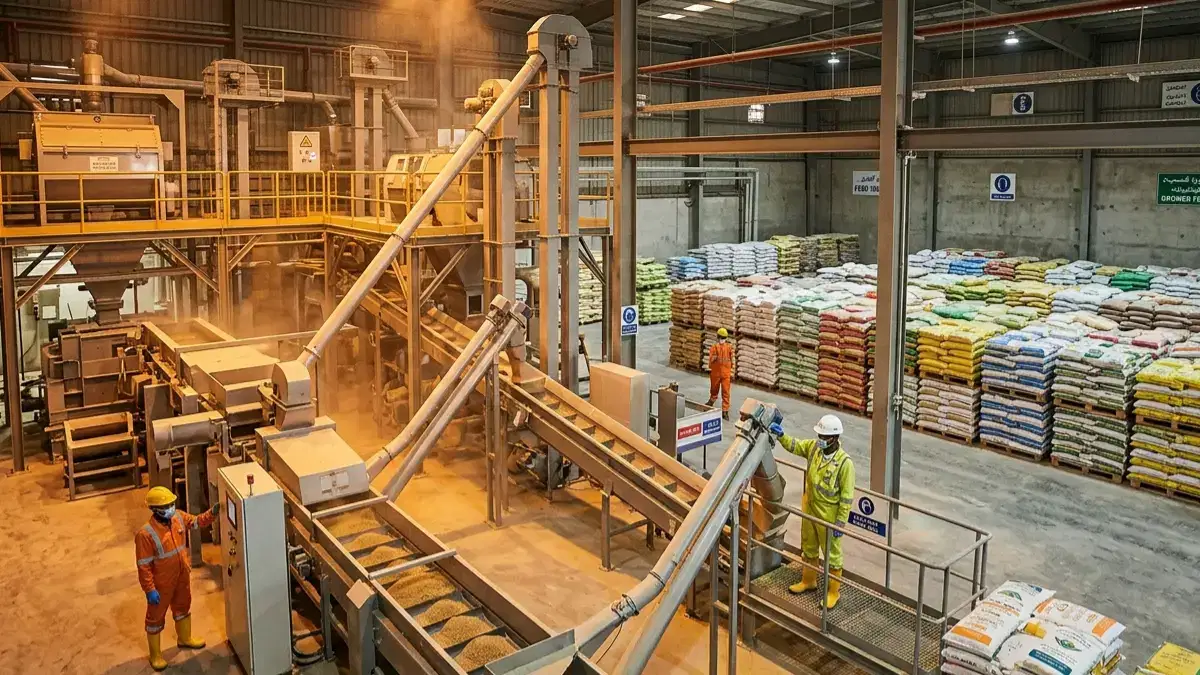
China remains the largest soybean meal consumer, driving aggressive import-linked crushing expansion, while Southeast Asia strengthens demand through aquaculture feed production. New crushing facilities in Brazil and the US Midwest are optimizing oil-meal yield ratios, increasing exportable surplus. Trade flows in 2026 indicate a shift toward longer-term supply contracts, reducing spot-market dependency as global crushing capacity aligns closer to 265 million MT output equilibrium.
Price Volatility and Macroeconomic Drivers
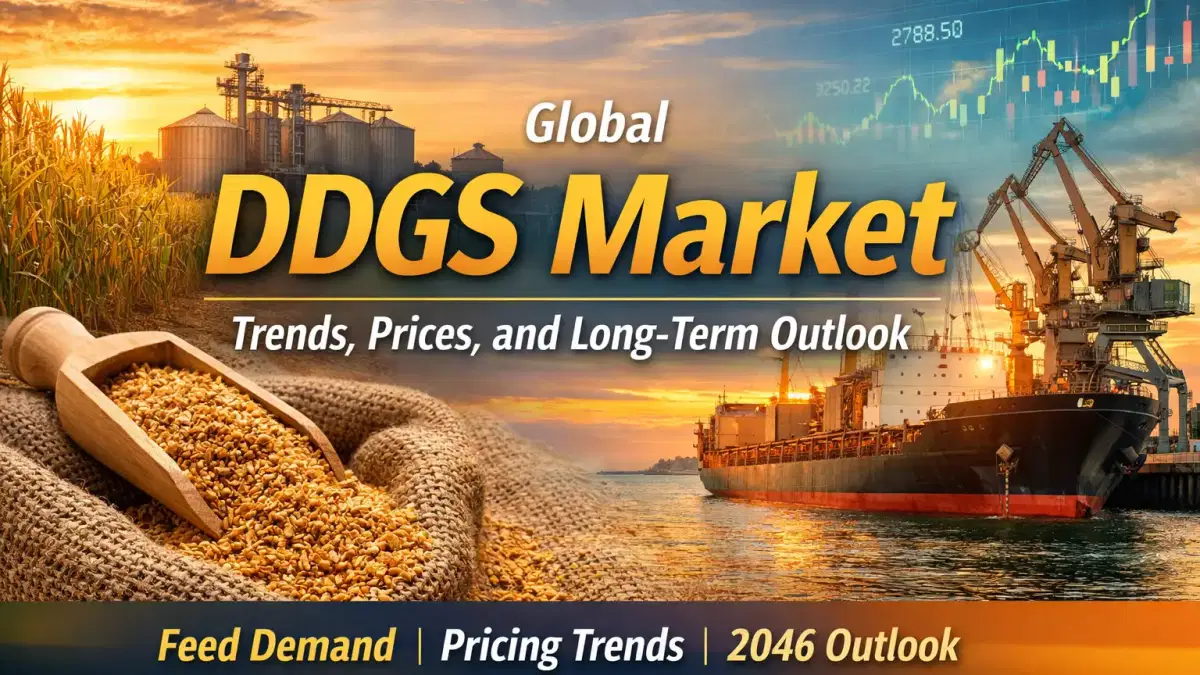
Soybean meal pricing remains highly responsive to soybean futures, energy costs, and fertilizer input inflation. In 2026, average export prices fluctuate within USD 380–420/MT, reflecting weather-driven crop uncertainty in South America and currency volatility in emerging markets. Despite stabilization efforts, freight costs and geopolitical disruptions continue to inject short-term volatility into global feed procurement strategies.
Sustainability Pressures and Feed Industry Integration
Environmental scrutiny over soybean cultivation, particularly deforestation-linked sourcing, is reshaping procurement standards across Europe and North America. Feed manufacturers are increasingly integrating certified sustainable soybean meal into formulations, while traceability systems expand across digital supply chain platforms. These changes are gradually redefining supplier qualification criteria and reinforcing long-term contractual partnerships over opportunistic sourcing models.
Conclusion
Soybean meal’s role as a platform chemical within the agri-feed value chain underscores its strategic importance in global protein security. As demand expands across emerging livestock markets, supply chain resilience, pricing stability, and sustainability compliance will define competitive positioning in 2026 and beyond. The convergence of crushing capacity growth and traceable sourcing is expected to stabilize long-term availability while preserving margin structures across stakeholders.
Within this evolving landscape, Tradeasia International continues to position itself as a reliable global partner, offering integrated sourcing solutions and streamlined distribution networks that help buyers navigate volatility while securing consistent soybean meal supply across key markets.
Sources