Poultry meal is gaining significant traction among feed manufacturers across the Middle East in 2026. Key buyers include commercial broiler integrators, compound feed mills, and layer farm operators concentrated in Saudi Arabia, UAE, Turkey, and Egypt. Demand is driven by soybean meal price volatility, regional food security mandates, expanding poultry production capacity, and the nutritional advantages of animal protein in broiler and layer rations.
The Middle East poultry feed market, valued at approximately USD 7.4 billion, is undergoing a visible ingredient substitution shift as feed manufacturers seek alternatives to soybean meal amid persistent supply chain disruptions and price volatility. Poultry meal — a rendered, high-protein ingredient derived from poultry processing byproducts — is increasingly attractive due to its concentrated crude protein content of 52–65%, high choline content, and availability through global rendering supply chains. Against the backdrop of the 2026 Strait of Hormuz disruption, which has fundamentally altered the economics of importing feed grains and protein supplements into the Gulf, the case for regionally sourced or strategically contracted poultry meal is stronger than at any previous point. Feed manufacturers who can lock in reliable supply of quality poultry meal are gaining formulation flexibility and cost advantages that translate directly into margins.
Core Applications of Poultry Meal in Middle East Feed Manufacturing
| Application | Sector | Demand Share (Regional Est.) | Trend | Buyer Type |
|---|---|---|---|---|
| Broiler starter & grower feed formulation | Commercial poultry production | ~40–45% | Fast growing ↑↑ | Feed mills, poultry integrators |
| Layer feed (egg production) | Commercial egg production | ~20–25% | Growing ↑ | Layer farm operators, feed mills |
| Aquafeed (fish & shrimp) | Aquaculture | ~10–12% | Growing ↑ | Aquafeed manufacturers |
| Turkey & specialty poultry feed | Specialty poultry | ~5–8% | Stable → | Specialty integrators |
| Pet food manufacturing | Pet nutrition | ~5–7% | Growing ↑ | Pet food manufacturers |
| Swine feed (limited halal-compliant markets) | Pig production | ~2–3% | Stable → | Non-Muslim market segments (Israel, Cyprus) |
| Ruminant feed supplementation | Dairy & beef cattle | ~5–8% | Stable → | Dairy integrators, cattle feedlots |
Emerging Applications
Precision Nutrition Formulations for High-Performance Broiler Genetics Modern broiler breeds (Cobb 500, Ross 308) used across the Middle East have progressively higher protein and amino acid requirements. Feed manufacturers are moving toward precision nutrition formulations that balance digestible amino acid profiles rather than relying on crude protein targets alone. Poultry meal's concentrated amino acid composition — approximately 6% lysine, 1.7% methionine, and 3,600 kcal/kg metabolizable energy per analyzed sample — makes it a high-value complementary protein to reduce total soybean meal inclusion while maintaining or improving performance outcomes. This formulation approach is actively adopted by large Saudi and UAE integrators and is expected to become standard practice across the region within 1–3 years.
Antibiotic-Free (ABF) and Reduced-Medication Feed Programs Across the GCC, there is growing regulatory and commercial pressure to reduce antibiotic use in poultry production, driven by export market requirements (particularly for halal chicken exported to Europe and East Asia) and domestic consumer health awareness. Feeds formulated with high-quality animal proteins such as poultry meal support gut health and immune function, reducing the need for prophylactic antibiotic inclusion. The correlation between high-digestibility protein at starter phase and improved gut morphology (higher villus height:crypt depth ratio) is well-documented, and feed manufacturers supplying ABF-certified programs are specifically increasing poultry meal inclusion in starter diets. This application is growing now and will be commercially meaningful at scale within 2–3 years.
Aquafeed Expansion in Saudi Arabia and UAE Both Saudi Arabia and the UAE are investing in domestic aquaculture as part of food diversification strategies. Poultry meal is used as a partial or full replacement for fish meal in aquafeed formulations, where it delivers comparable amino acid digestibility at substantially lower cost. As tilapia, seabream, and shrimp farming scale in the region, poultry meal demand from aquafeed compounders is expected to grow alongside it — representing a meaningful secondary demand driver beyond broiler and layer applications within 3–5 years.
Key Buyer Segments for Poultry Meal in the Middle East
Commercial Broiler Feed Integrators (Saudi Arabia, UAE, Egypt, Turkey)
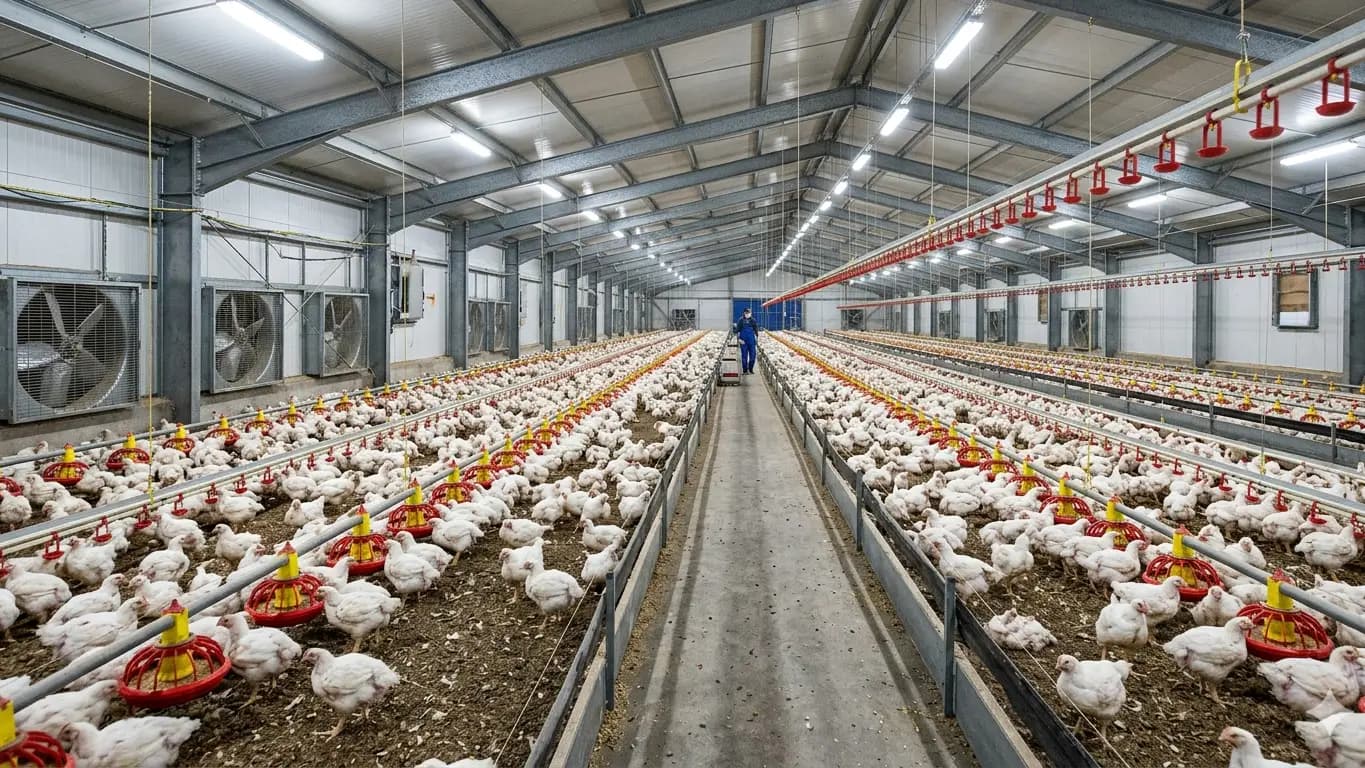
The largest and most commercially significant buyer segment for poultry meal in the Middle East is the vertically integrated broiler production company — entities that operate hatcheries, grow-out farms, processing plants, and often their own feed mills. In Saudi Arabia, key players include Almarai's poultry division, Al Watania Poultry, and Fakieh Poultry Farms; in Egypt, Al Watany and Koki for Poultry are among the dominant integrated operators. Saudi Arabia's government provides up to USD 187 million annually as a direct production-based subsidy to the poultry industry, of which approximately USD 112 million is used to purchase corn from local importers or directly from the international market — illustrating the scale and policy-backed nature of these buyers. These integrators operate feed mills consuming hundreds of thousands of metric tons of ingredients annually. They buy poultry meal on annual or semi-annual contracts, care deeply about consistent crude protein levels and absence of pathogen contamination, and evaluate it primarily as a cost-efficient partial replacement for soybean meal and fish meal. Price sensitivity is moderate; supply security and quality consistency are primary procurement criteria.
Commercial Compound Feed Mills
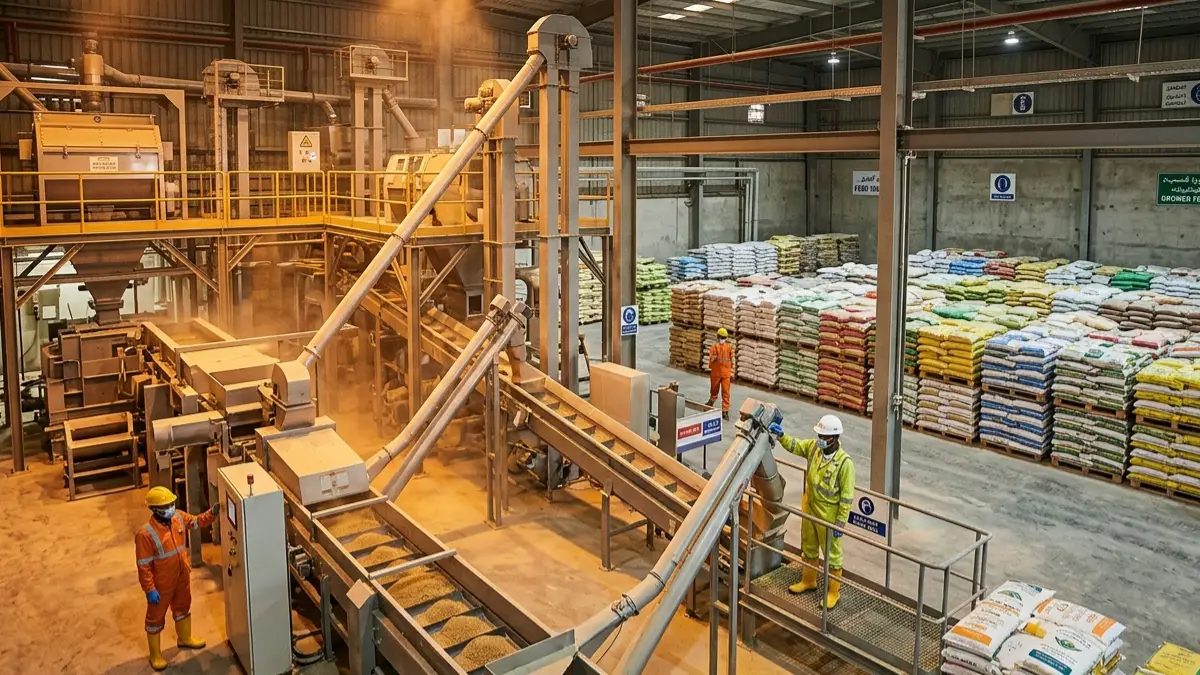
Independent feed mills that sell finished compound feed to broiler, layer, and dairy farmers represent the second major buyer segment. Turkey remains the largest feed market in the Middle East, consuming approximately 14 million tons per year, and its feed milling sector — comprising hundreds of registered mills — is a significant volume buyer of rendered animal proteins including poultry meal. In Turkey, feed accounts for up to 60–70% of total livestock production costs, meaning even small changes in input pricing quickly transmit through the entire food system, creating constant pressure on millers to optimize formulation economics. Egyptian feed mills, similarly, operate in a high-volume, price-competitive environment and are increasingly receptive to poultry meal inclusion when it offers a cost-per-unit-protein advantage over soybean meal. These buyers purchase through commodity traders or direct import contracts and are responsive to spot market pricing differentials.
Layer Farm Operators and Egg Producers
Egg consumption in the Middle East is structurally growing alongside population increases and urbanization. Layer feed accounts for a significant portion of total compound feed demand, and feed mills serving layer operators are active buyers of poultry meal for inclusion at 3–8% in layer rations. The nutritional benefit — high choline content exceeding 6,000 ppm, concentrated phosphorus, and metabolizable energy — supports egg production efficiency. The layer feed segment is expected to grow at a notable CAGR through 2034 due to its ability to supply laying hens with all essential nutrients and ingredients. In the GCC specifically, domestic egg production has been a food security priority since the 2017 Qatar blockade demonstrated the risks of import dependency; Saudi Arabia and the UAE both have active programs to expand domestic layer capacity, directly expanding poultry meal demand.
Aquafeed Compounders
Aquaculture-focused feed manufacturers in the Middle East are an emerging but fast-growing buyer segment. Both Saudi Arabia (through Vision 2030's food diversification initiatives) and the UAE are investing in controlled-environment aquaculture. Poultry meal is accepted in most aquafeed specifications as a fish meal substitute, and its use is growing in tilapia and seabream feed formulations in the region. Procurement for this segment is often handled through specialty feed ingredient importers or directly from rendering companies with export capability. This segment is currently small in absolute volume but growing at above-average rates and represents a meaningful future demand vector.
Pet Food Manufacturers
The Gulf pet food market is expanding steadily, driven by rising pet ownership in urban Saudi Arabia, UAE, and Kuwait. Poultry meal is a primary ingredient in dry pet food (kibble) and is imported in quantity by the handful of regional pet food manufacturers and co-packers. This segment is less price-sensitive than commodity feed applications and places greater emphasis on origin certification, moisture content, and microbial safety standards. It is a smaller but higher-margin channel for poultry meal suppliers.
Feed Ingredient Traders and Distributors
A meaningful share of poultry meal consumed by SME-scale feed mills and smaller poultry operations flows through regional commodity traders based in Dubai, Istanbul, and Cairo. These traders import in bulk from rendering facilities in the United States, Brazil, and Europe, and redistribute in smaller lots. They are highly price-sensitive and arbitrage-aware, buying opportunistically when origin differentials are favorable. The disruption to Gulf shipping routes caused by the Strait of Hormuz crisis has added freight cost and delivery uncertainty to their procurement calculations in early 2026, pushing some toward suppliers with Atlantic-route access rather than Asia-Pacific origins.
Demand Drivers and Market Outlook
Economic Linkage
Poultry meal demand in the Middle East is directly linked to compound feed production volumes, which in turn track broiler and layer output, population growth, and per-capita protein consumption. The Middle East and Africa are expected to grow at a notable CAGR from 2025 to 2034, fueled by rising protein demand, population increases, and government efforts. The leading indicator to watch for poultry meal buyers is quarterly broiler slaughter output data from GCC agricultural ministries and USDA FAS reports on regional poultry production. When broiler volumes grow, byproduct generation from regional slaughterhouses increases and domestic rendering capacity expands — potentially increasing both supply and demand simultaneously.
Sector Growth: Soybean Meal Volatility as the Primary Demand Accelerator
The single most powerful driver pushing feed manufacturers toward increased poultry meal inclusion in 2026 is the demonstrated volatility and supply chain risk associated with soybean meal dependency. The Saudi animal feed market depends heavily on corn and soybean meal for its feed formulations, creating structural exposure to global grain market swings. The price of corn and soybean meal surged by 22% due to supply chain disruptions and adverse weather conditions in prior episodes — the memory of which continues to drive formulation diversification. Iran's corn imports from Brazil have been disrupted by rising insurance premiums, payment freezes, and wartime risks, and with Hormuz effectively closed, Iran faces catastrophic domestic food supply disruption despite being a net energy exporter. For feed manufacturers across the broader region, the lesson is the same: over-concentration in any single imported protein source is a commercial and operational risk. Poultry meal — sourced from diverse origins including the US, Brazil, and increasingly regional producers — offers a diversification mechanism.
Substitution Risk
The primary substitution risk for poultry meal in the Middle East is the adoption of insect meal, single-cell protein, or fermented plant protein concentrates as alternative animal protein sources. These ingredients are gaining research attention globally. However, commercial scale and cost-competitiveness of insect meal remain limited in the Middle East, and regulatory frameworks for novel protein sources in animal feed are not yet finalized in Saudi Arabia, UAE, or Egypt. Over a 5-year horizon, some displacement is possible in pet food and aquafeed applications. For broiler and layer applications, poultry meal's combination of cost, availability, and established formulation efficacy means it is unlikely to face meaningful substitution before 2030. The more immediate competitive pressure comes from soybean meal itself when prices fall — as they have in 2025 and entering 2026 — which can temporarily make poultry meal less economically attractive on a cost-per-unit-protein basis.
Policy and Regulatory Drivers
Regional food security policy is the strongest structural tailwind for both poultry production and poultry meal demand in the Middle East. Saudi Arabia's Vision 2030 includes explicit targets for domestic poultry self-sufficiency. The UAE's National Food Security Strategy aims to reach the top 10 globally in food security rankings. Egypt's government has been expanding subsidized poultry feed programs to stabilize domestic chicken prices. Government support for poultry farming across the Middle East includes subsidies and grants, with the UAE government having allocated USD 220 million to support local poultry producers, contributing to projected growth in the poultry feed market. All of these policy vectors expand domestic poultry production and, by extension, demand for all feed protein inputs including poultry meal. The food security imperative also reduces the political appetite for policies that would restrict or complicate animal protein use in feed.
Strategic Insight: Commercial Opportunities
Who drives demand today? The dominant buyers of poultry meal in the Middle East today are Saudi and Turkish broiler integrators and commercial compound feed mills. These two segments together account for the majority of poultry meal volume purchased in the region. Saudi Arabia's large vertically integrated producers consume at scale with consistent specification requirements; Turkey's vast independent feed milling sector creates distributed, volume-driven demand that trades through commodity channels.
Where is growth coming from? The clearest growth vectors are Egypt's rapidly expanding broiler sector (driven by population growth and rising domestic protein consumption), the Gulf states' food security-driven layer and aquaculture expansion programs, and the accelerating shift toward ABF feed formulations requiring high-quality digestible proteins. Feed manufacturers actively trying to reduce soybean meal dependency — which includes virtually every major compound feed producer in the region post-2022 — represent a broad base of motivated new or expanding poultry meal buyers.
Where is risk concentrated? The primary risk is the correlation between poultry meal demand and overall poultry sector health. Any significant HPAI (Highly Pathogenic Avian Influenza) outbreak in the region would simultaneously reduce byproduct availability and demand from affected integrators. Since the H5N1 outbreak began in February 2022, more than 168 million birds have been confirmed HPAI-positive in the United States across 1,689 flocks — illustrating the severity of supply disruption risk from disease events. For buyers in the Middle East, the added risk in early 2026 is the Strait of Hormuz disruption, which has materially increased the cost and uncertainty of importing poultry meal from Asia-Pacific origins for Gulf buyers specifically.
What does this mean for commercial strategy? Suppliers and traders should prioritize qualification with compound feed mills in Turkey (the region's highest-volume market), integrated broiler producers in Saudi Arabia, and the fast-growing Egypt feed sector. Product positioning should emphasize supply route security — Atlantic-origin poultry meal from the US or Brazil is more insulated from current Gulf shipping disruptions than Asia-Pacific product — alongside consistent crude protein specification (minimum 60% CP) and microbiological certification. Marketing content targeting feed formulation nutritionists and procurement managers should specifically address the cost-per-digestible-amino-acid calculation versus soybean meal, as this is the primary evaluation framework used by commercial feed formulators in the region.
If you are looking to source poultry meal for your feed manufacturing operations in the Middle East, Tradeasia International offers reliable global supply backed by rigorous quality controls and end-to-end logistics capability. With over two decades of experience in agricultural and feed ingredient distribution and a network spanning Asia Pacific, the Middle East, the Americas, and Europe, Tradeasia delivers poultry meal to compound feed mills, broiler integrators, aquafeed manufacturers, and specialty feed producers across the region. Contact us today to discuss your crude protein specifications, origin requirements, pricing, and lead times.