Explore our network of country and industry based websites to access localized information, product offerings, and business services across our group.
Log in to start sending quotation requests for any product.
Don't have an account? Sign Up Here
Home Soy Protein Concentrate: Supply Economics and Industrial Potential
Trade Insights | Supply Chain | 05 March 2026
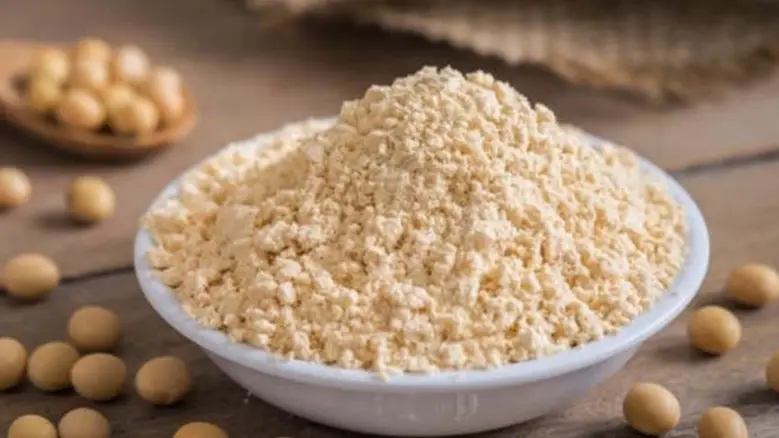
Soy Protein Concentrate (SPC) continues to strengthen its position as a critical plant-derived functional ingredient across feed and food industries in 2026. Positioned between meal and isolate in protein purity, SPC serves as a cost-efficient platform chemical for high-protein formulations. The global market reflects steady expansion, driven by sustainable protein demand and feed optimization trends. As of 2026, the SPC supply chain is shaped by agricultural output volatility, processing capacity concentration, and evolving trade dynamics.
The SPC supply chain remains highly dependent on soybean crushing output from the United States, Brazil, and Argentina, which collectively account for over 80% of global feedstock availability. In 2026, tightening harvest cycles and export controls have intensified procurement competition, influencing downstream pricing stability. Soybean meal conversion efficiency directly affects SPC yields, reinforcing upstream agricultural sensitivity in industrial protein markets.
Processing advancements in SPC production increasingly rely on optimized aqueous-alcohol extraction and traditional hexane-based defatting, balancing cost efficiency and protein functionality. In 2026, global processing capacity is estimated at 2.4 million metric tons, with facility concentration in North America and East Asia. Technological upgrades aim to improve protein digestibility while reducing solvent recovery costs in large-scale operations across feed and food segments.
International SPC trade is experiencing moderate expansion with a projected CAGR of 6.2% through 2026, supported by rising demand in aquafeed and meat alternatives. Average export prices fluctuate between USD 950–1,350/MT, driven by freight costs and soybean input volatility. Asia-Pacific remains the largest importer, while South American exporters leverage cost advantages and integrated crushing infrastructure for regional supply security strategies.
Demand for SPC is increasingly driven by aquaculture feed manufacturers and plant-based protein processors seeking cost-effective protein enrichment solutions. Feed formulations account for over 65% of total consumption, while food applications continue to expand at a faster innovation pace. Regulatory shifts favoring sustainable protein sourcing are reinforcing SPC adoption across industrial nutrition value chains globally in 2026 supply networks expanding.
Soy Protein Concentrate continues to function as a strategic platform ingredient bridging agricultural commodities and value-added protein industries. Its supply chain in 2026 is defined by raw material dependency, processing efficiency improvements, and shifting global trade corridors. With sustained demand growth across feed and food sectors, SPC is expected to maintain structural relevance in industrial protein portfolios. In this evolving landscape, Tradeasia International provides integrated sourcing and distribution solutions, enabling global buyers to navigate supply volatility and ensure consistent SPC availability across markets.
Sources
https://www.oecd.org/en/publications/oecd-fao-agricultural-outlook-2025-2034
https://www.fas.usda.gov/data/commodities/soybean-meal
We're committed to your privacy. Tradeasia uses the information you provide to us to contact you about our relevant content, products, and services. For more information, check out our privacy policy.


 English
 Indonesian
 简体字
简体字
 العربية
 Español
 Français
 Português
 日本語
日本語
 한국어
한국어
 Tiếng Việt