Explore our network of country and industry based websites to access localized information, product offerings, and business services across our group.
Log in to start sending quotation requests for any product.
Don't have an account? Sign Up Here
Home Folic Acid at a Crossroads: Supply Chain Resilience and Growth Opportunities
Trade Insights | Supply Chain | 24 February 2026
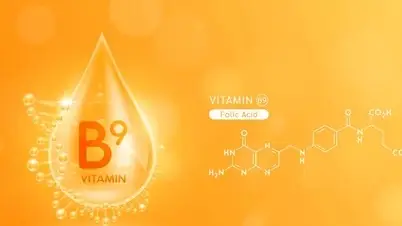
Folic acid, a synthetic form of vitamin B9, continues to position itself as a critical platform chemical in pharmaceutical formulations, food fortification programs, and animal nutrition systems. As of 2026, the global supply chain is undergoing recalibration driven by concentrated API manufacturing hubs, tightening regulatory standards, and resilient demand from public health initiatives, regulatory harmonization across pharma and food-grade APIs intensifies. Market valuation is underpinned by a CAGR of 7.2%, with average global pricing stabilizing around USD 28,000/MT, reflecting both high purity requirements and complex synthesis routes. Annual production volume remains constrained at approximately 3,500 MT, making supply chain efficiency a decisive competitive factor.
Folic acid production relies on multi-step chemical synthesis involving key intermediates such as p-aminobenzoic acid and glutamic acid derivatives. Inputs are sensitive to petrochemical volatility creating cost pass-through effects across the chain. Feedstock disruptions in 2026 have contributed to input cost inflation of nearly 8–10%, directly influencing final API pricing benchmarks. Price sensitivity in upstream intermediates continues to challenge margin stability across producers globally in 2026.
The global production base remains heavily concentrated in China and India, collectively accounting for over 80% of output capacity. This regional dependency introduces geopolitical and regulatory risk exposure particularly as environmental compliance costs in China increase operational expenditure by nearly 12% year-on-year reshaping export competitiveness. Emerging regulatory diversification is encouraging partial capacity relocation to Southeast Asia hubs in response to supply risk.
Although folic acid is chemically stable it requires stringent protection from light, moisture and oxidation during transportation. Supply chain actors are increasingly investing in aluminum-lined packaging and temperature-controlled warehousing. Freight optimization has become essential as logistics costs now represent up to 9% of total landed cost in export markets. Digital tracking systems improve shipment visibility and compliance assurance metrics.
Demand growth is anchored in mandatory food fortification programs and expanding prenatal supplement usage. Emerging economies are accelerating adoption driving incremental consumption increases of 5–6% annually. The animal feed sector also contributes significantly particularly in poultry premix formulations where dosage precision is critical. Fortification policies remain the strongest structural demand driver globally 2026.
As the folic acid supply chain evolves into a more structured yet tightly constrained ecosystem stakeholders are prioritizing reliability traceability and diversified sourcing strategies. In this environment global traders and distributors play a pivotal role in bridging manufacturing clusters with end-use industries. Tradeasia International continues to position itself as a strategic partner in this value chain offering integrated sourcing solutions consistent quality assurance and optimized global logistics support to ensure uninterrupted supply of high-purity folic acid to industrial buyers worldwide.
Sources
https://www.grandviewresearch.com/industry-analysis/folic-acid-market (Grand View Research)
https://www.imarcgroup.com/folic-acid-manufacturing-plant-project-report (Imarc Group)
We're committed to your privacy. Tradeasia uses the information you provide to us to contact you about our relevant content, products, and services. For more information, check out our privacy policy.


 English
 Indonesian
 简体字
简体字
 العربية
 Español
 Français
 Português
 日本語
日本語
 한국어
한국어
 Tiếng Việt




















