Explore our network of country and industry based websites to access localized information, product offerings, and business services across our group.
Log in to start sending quotation requests for any product.
Don't have an account? Sign Up Here
Home Beet Pulp Feedstock Dynamics and Supply Chain Resilience Global Market
Trade Insights | Supply Chain | 26 February 2026
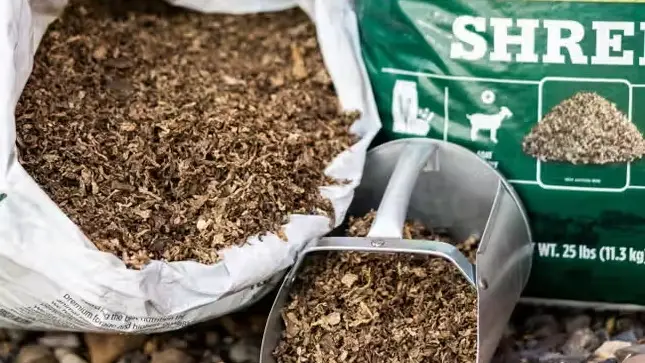
Beet pulp, a fibrous byproduct of sugar beet processing, continues to strengthen its position as a strategic agricultural co-product within global feed and bio-based industries. As of 2026, the beet pulp market is increasingly recognized not only for its role in animal nutrition but also as a platform chemical feedstock supporting circular economy initiatives. The global market is valued along a steady growth trajectory, expanding at a projected CAGR of 5.2%, with average trade pricing stabilizing around USD 180/MT and global production volumes reaching approximately 28 million MT annually. Its integration into livestock feed systems and bioenergy applications underscores its growing industrial relevance.
Beet pulp output is directly tied to sugar beet refining yields, making supply highly dependent on harvest cycles in Europe, Russia, and North America. Processing efficiency improvements have increased extractable pulp ratios by nearly 8–10% over the past decade, yet climate variability continues to impact beet sugar recovery rates. This structural dependency introduces seasonal volatility, particularly during drought-affected European harvests, where supply tightening can shift pricing upward by 12–15% within short trading windows.
International trade in beet pulp remains concentrated, with the EU accounting for more than 55% of exports. Freight costs and energy pricing have become key determinants of landed cost structures, especially for Asia-Pacific importers. Spot market fluctuations frequently move within a USD 160–210/MT range depending on pelletized or dried formats. Exchange rate pressures and shipping constraints through key maritime corridors continue to amplify short-term price instability.
The livestock feed sector absorbs over 70% of global beet pulp output, driven by demand for high-fiber, digestible feed ingredients. Dairy cattle nutrition remains the dominant application segment, particularly in high-production dairy economies such as the United States and Germany. Increasing feed formulation optimization has also elevated beet pulp’s role as a cost-stabilizing ingredient amid volatile grain markets, reinforcing its strategic importance in feedstock diversification.
Beet pulp’s hygroscopic nature requires specialized drying and pelletizing infrastructure to ensure shelf stability during long-haul transport. Investments in low-emission drying technologies are expanding, particularly in Western Europe, where sustainability mandates are tightening. These developments align with broader decarbonization goals, positioning beet pulp as a lower-carbon alternative feed ingredient with strong circular economy credentials.
As global agricultural systems pivot toward efficiency and sustainability, beet pulp is evolving from a simple byproduct into a strategically valuable industrial input. Its steady demand growth, coupled with supply chain sensitivity and evolving logistics infrastructure, underscores its importance in both feed and bio-based markets. In navigating procurement complexity and global sourcing challenges, companies increasingly rely on integrated supply partners. In this context, Tradeasia International emerges as a reliable global solution provider, offering consistent access to industrial-grade beet pulp and supporting streamlined supply chain connectivity across key markets.
Sources
We're committed to your privacy. Tradeasia uses the information you provide to us to contact you about our relevant content, products, and services. For more information, check out our privacy policy.


 English
 Indonesian
 简体字
简体字
 العربية
 Español
 Français
 Português
 日本語
日本語
 한국어
한국어
 Tiếng Việt




















