Introduction
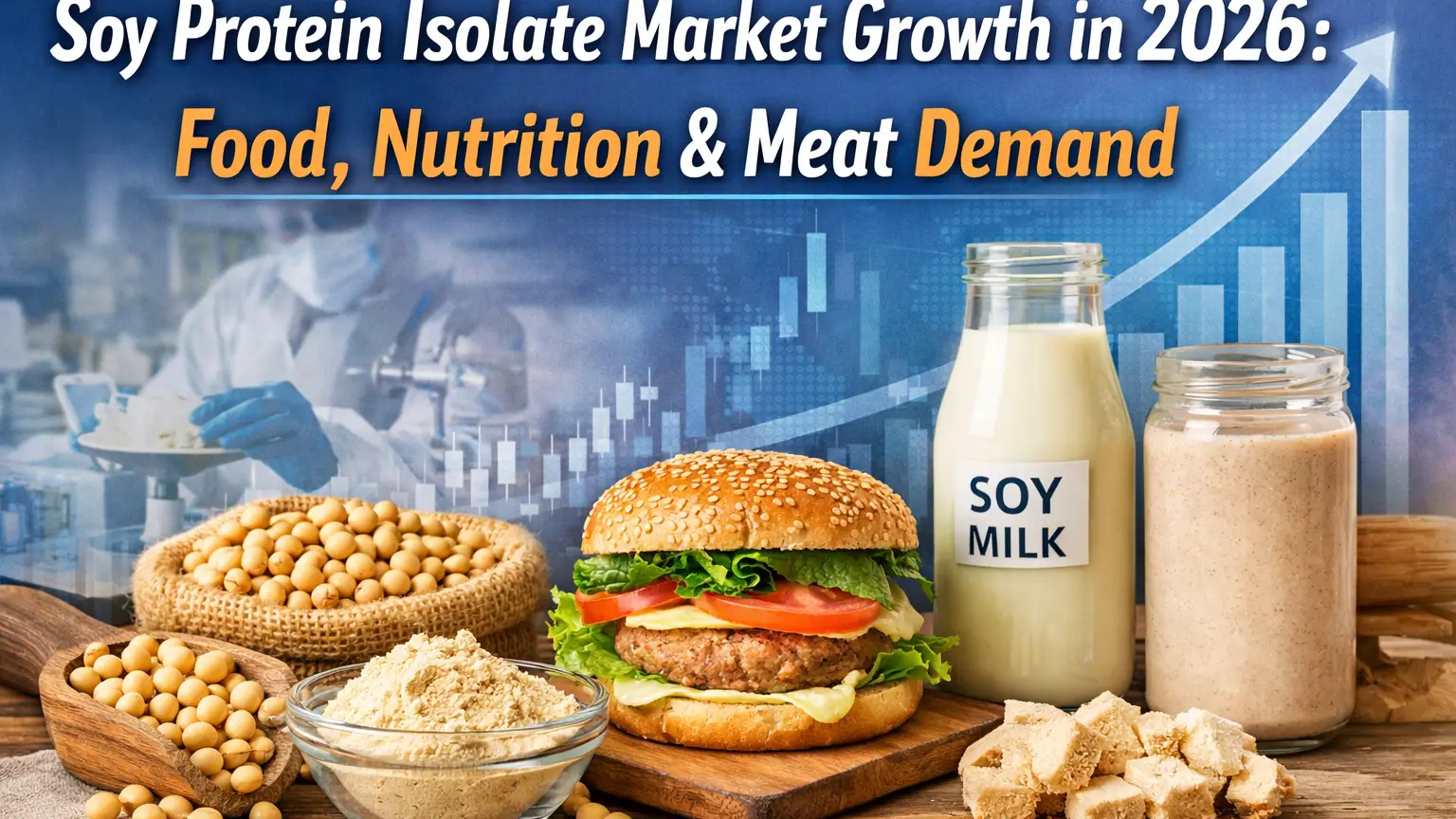
Soy protein market in 2026 is evolving as a key plant-based protein ingredient and functional platform chemical derived from soybeans, widely used across food, feed, and industrial sectors. Driven by sustainability and cost optimization, soy protein continues to replace animal-based inputs across global value chains. Rising health awareness and demand for alternative proteins are accelerating adoption of soy protein isolate and concentrate in high-performance formulations.
Food and Beverage Demand Expansion
In food and beverage applications, soy protein demand is expanding at a CAGR of 7.2%, supported by plant-based meat, dairy alternatives, and nutrition products. Soy protein isolate, priced near USD 2,800/MT, is favored for functional properties such as emulsification and protein fortification. Global consumption in this segment exceeds 4.5 million MT, with manufacturers prioritizing clean-label and allergen-free formulations to meet evolving consumer expectations.
Feed and Aquaculture Buyer Dynamics
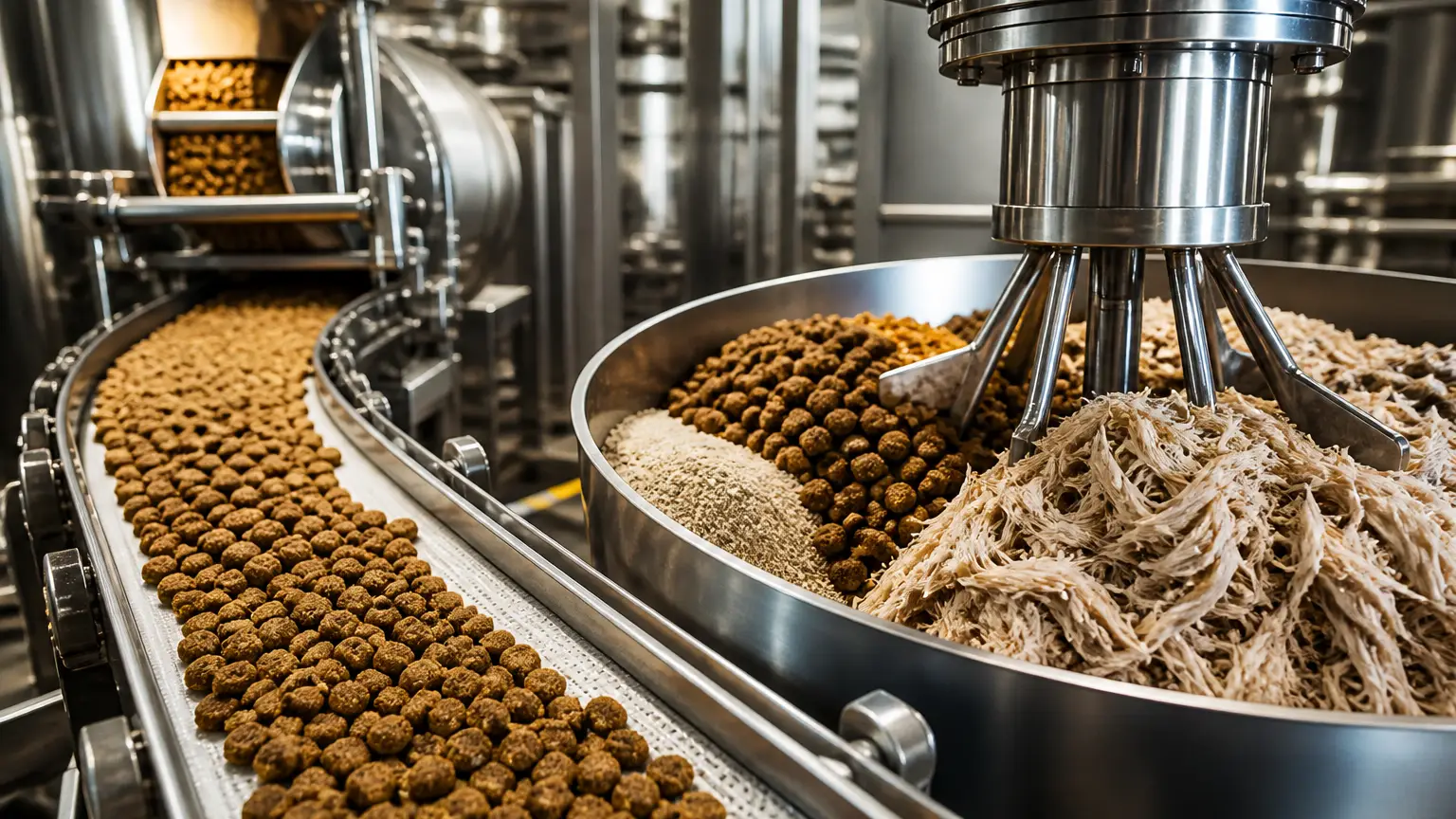
Feed and aquaculture remain dominant buyers, using soy protein as a cost-efficient fishmeal substitute. Adoption is growing at a CAGR of 6.5%, especially in poultry and aquafeed sectors where protein efficiency is critical. Annual utilization surpasses 3 million MT, improving feed conversion ratios while stabilizing procurement costs across livestock production systems.
Industrial Applications and Innovation
Industrial applications are emerging, with soy protein used in biodegradable films, adhesives, and coatings. This segment is growing at a CAGR of 8.0%, driven by sustainability regulations. Functional derivatives are priced between USD 1,500–2,200/MT, enabling bio-based innovation in packaging and materials while supporting circular economy goals in manufacturing industries.
Global Supply, Production, and Pricing Trends
Global soy protein production capacity exceeds 12 million MT, concentrated in the US, Brazil, and China. Pricing remains influenced by soybean feedstock volatility and logistics costs. Expansion of high-purity isolate facilities reflects growing demand for premium protein fractions and export competitiveness in international markets.
Conclusion
As a versatile platform chemical, soy protein continues to integrate nutrition and industrial innovation, strengthening its role in the global bio-based economy. Buyers are increasingly prioritizing supply reliability, functional grade, and sustainability compliance. Strategic sourcing is becoming essential as demand diversifies across food, feed, and industrial sectors. In this evolving landscape, Tradeasia International stands as a trusted global solution provider, offering integrated procurement support and reliable access to consistent-quality soy protein across major producing regions.
Sources
https://www.oecd.org/agriculture/oecd-fao-agricultural-outlook/