Introduction
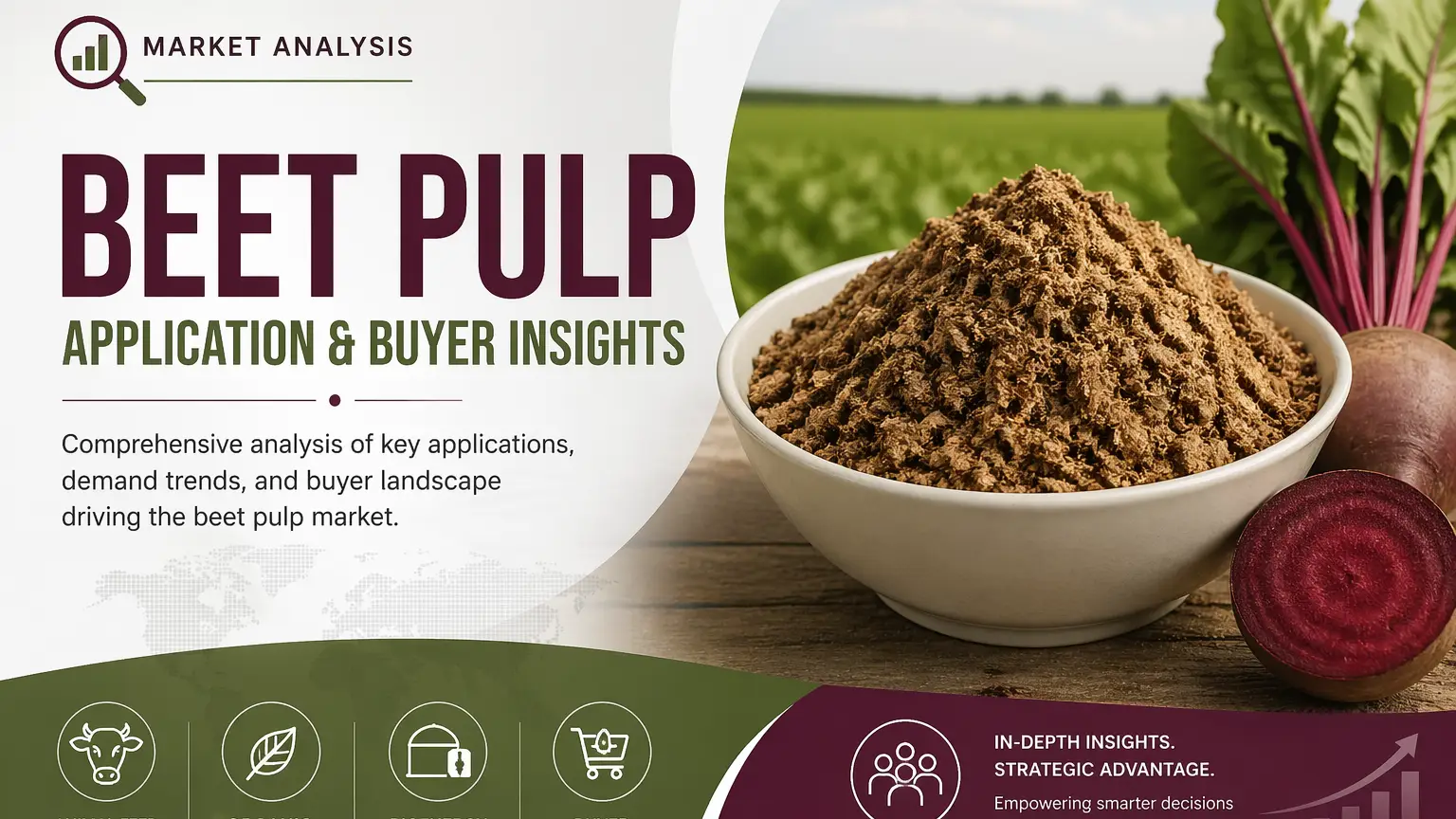
Citrus pulp (PRODUCT) has evolved into a strategically important platform biobased feed ingredient within global agro-industrial value chains. Derived from orange, lemon, and grapefruit juice extraction residues, it is widely utilized in livestock nutrition due to its high fiber digestibility and energy content. As of 2026, the citrus pulp market is shaped by tightening feed costs, circular economy mandates, and expanding demand from protein-intensive livestock systems. The market is estimated to grow at a steady CAGR of 4.3%, reflecting stable integration into compound feed formulations worldwide.
Applications in Ruminant Nutrition
The dominant application remains cattle feed, particularly dairy and beef cattle, where citrus pulp serves as a partial substitute for corn and barley. Global consumption in ruminant diets exceeds 6.2 million metric tons annually, driven by its cost advantage and digestibility performance. Feed formulators value citrus pulp for improving rumen fermentation efficiency while reducing reliance on high-cost grains. In price-sensitive regions, it trades between USD 85–140/MT, offering strong substitution economics for integrated feed mills.
Poultry and Livestock Buyer Dynamics
Poultry and swine producers represent secondary but rapidly expanding buyers, particularly in Latin America and Southeast Asia. Though inclusion rates remain lower than ruminants, adoption is rising due to volatile corn pricing. Integrated livestock operations and commercial feed manufacturers account for over 55% of total procurement. Buyers increasingly prioritize pelletized dried citrus pulp to improve feed handling efficiency and storage stability in large-scale operations.
Aquaculture and Pet Food Expansion
A notable diversification trend is emerging in aquaculture and premium pet food segments. Fiber-enriched formulations in shrimp and tilapia diets are incorporating citrus pulp as a functional ingredient. Global demand from non-traditional segments is projected to grow by 6.1% CAGR, supported by sustainability-focused feed innovations. Pet food manufacturers, particularly in Europe and North America, are leveraging citrus pulp for digestive health positioning.
Global Trade, Pricing, and Production Outlook
Global citrus pulp production exceeds 7.5 million metric tons, concentrated in Brazil, the United States, and Mediterranean countries. Export-oriented supply chains are influenced by citrus juice processing cycles, creating seasonal price volatility. Freight-adjusted export prices range between USD 90–160/MT, depending on drying methods and pellet quality. Brazil remains the dominant exporter, while Europe and China act as major import hubs.
Conclusion
As a circular economy-driven feed ingredient, citrus pulp (PRODUCT) continues to strengthen its role in sustainable livestock nutrition systems worldwide. Its economic viability, nutritional profile, and expanding application base position it as a resilient commodity in the evolving agro-feed ecosystem.
In this context, global traders and formulators are increasingly aligning with integrated supply partners capable of ensuring consistent quality and logistics efficiency. Tradeasia International stands out as a reliable global solution provider, connecting producers and industrial buyers through efficient sourcing networks, enabling seamless access to high-quality citrus pulp across international markets.
Sources