
Introduction
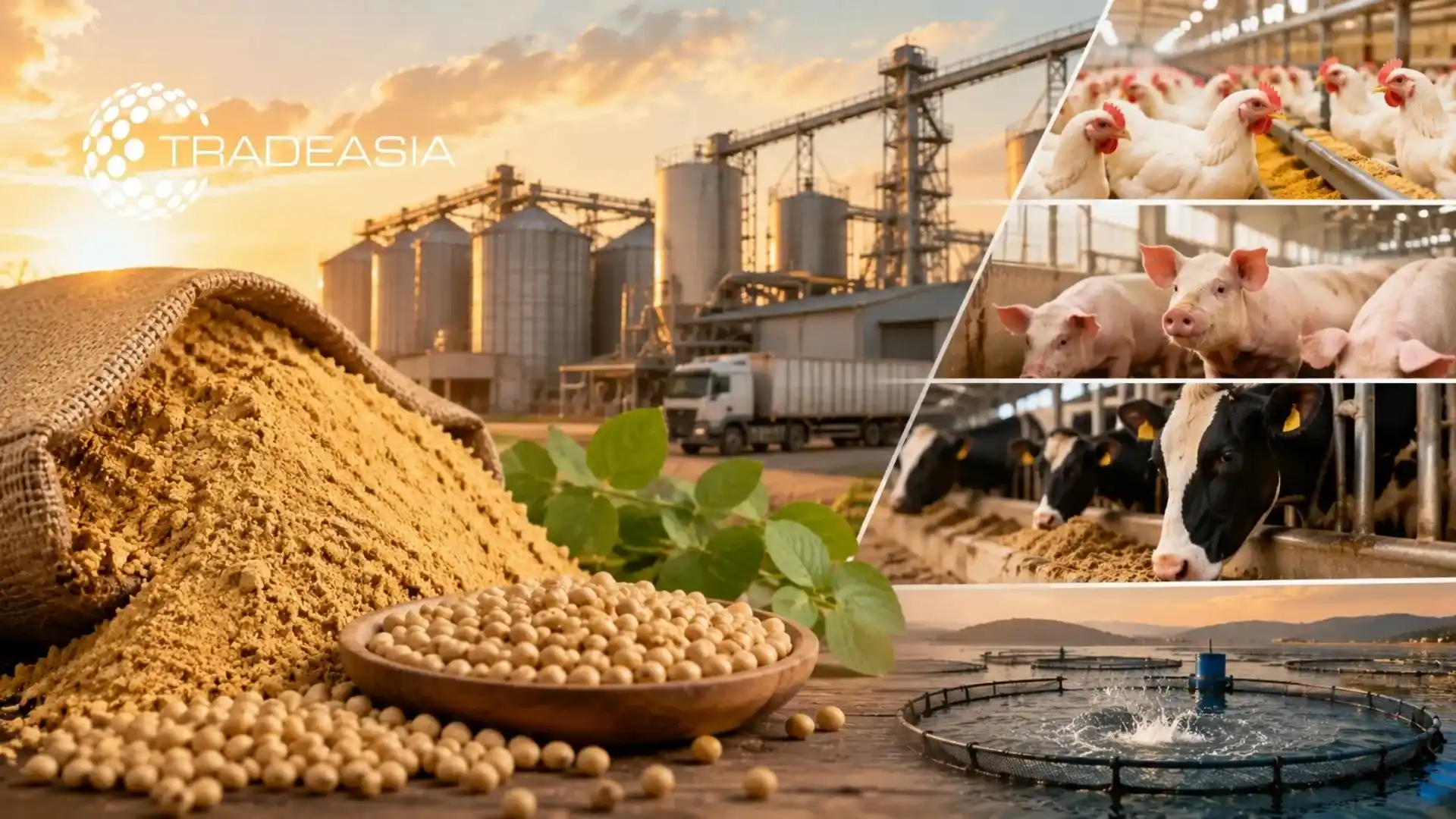
The Asian animal feed industry stands at a pivotal juncture as it approaches the first quarter of 2026. Characterized by rapid urbanization, shifting dietary preferences, and intensifying pressure for sustainable practices, the sector's demand for high-quality protein ingredients is both soaring and evolving. For buyers and procurement specialists across the continent, navigating this complex landscape requires deep market intelligence and strategic foresight. This article provides a comprehensive analysis of the anticipated demand and sourcing trends for critical feed ingredients, with a particular focus on Corn Gluten Meal and Fish Meal, within Asia's dynamic poultry and livestock industries.
The convergence of economic recovery, supply chain reconfiguration, and sustainability mandates is reshaping procurement strategies. Buyers are no longer just seeking the lowest cost per ton; they are evaluating supply security, nutritional consistency, and the environmental footprint of their ingredient portfolio. Platforms like feedingredientsasia.com and regional hubs such as chemtradeasia.com and its localized counterparts (chemtradeasia.in, chemtradeasia.co.id, chemtradeasia.sg, chemtradeasia.ae) have become essential digital marketplaces, facilitating transparent and efficient trade. This analysis delves into the specific factors that will drive Q1 2026, offering actionable insights for stakeholders.
The Asian Animal Feed Landscape in Q1 2026
As Q1 2026 approaches, the Asian feed market is projected to consolidate its position as the global leader in both production and consumption. Driven by population growth and rising per capita meat consumption in countries like Vietnam, Indonesia, and the Philippines, total compound feed production is forecast to exceed 550 million metric tons annually. The poultry sector, particularly broiler and layer production, remains the largest consumer, accounting for nearly 45% of total feed demand. However, this growth is tempered by significant challenges, including volatility in raw material prices, geopolitical tensions affecting trade flows, and increasingly stringent regulations on antibiotic growth promoters and feed safety.
Regional disparities will define market dynamics. Southeast Asia will experience the highest growth rate, fueled by integrated farming and contract growing models. East Asia, led by China, will focus on technological sophistication and precision nutrition to enhance feed efficiency. South Asia, with India at its core, will see robust demand driven by a burgeoning dairy industry and commercial poultry expansion. This fragmented yet interconnected landscape necessitates a nuanced sourcing approach, where understanding local regulatory environments, currency fluctuations, and logistical infrastructure becomes as crucial as negotiating price. The role of B2B digital platforms in bridging these regional nuances cannot be overstated.
Furthermore, the overarching trend of sustainability is transitioning from a niche concern to a core business imperative. Feed mills and integrators are under mounting pressure from consumers, investors, and regulators to demonstrate responsible sourcing. This translates into a growing demand for traceability, certifications (like ProTerra, MSC for fish meal), and ingredients with a lower carbon and water footprint. The sourcing decisions made in Q1 2026 will thus be heavily influenced by a product's lifecycle assessment, pushing alternative proteins and co-products like Corn Gluten Meal further into the spotlight.
Spotlight on Corn Gluten Meal: A Key Protein Source
Corn Gluten Meal (CGM) is poised for significant demand growth in Asia through Q1 2026. As a co-product of corn wet-milling, CGM is a concentrated protein source (typically 60-65% crude protein) with a favorable amino acid profile, particularly high in methionine and cystine. Its golden-yellow color also provides natural xanthophylls, which enhance skin and egg yolk pigmentation in poultry—a highly valued trait in many Asian markets. Compared to soybean meal, CGM offers a more consistent protein content and is less susceptible to the price volatility linked to oilseed futures, making it an attractive strategic alternative for feed formulators.
The applications of Corn Gluten Meal are diverse and critical. In poultry diets, it serves as an excellent protein supplement in broiler and layer rations, contributing to muscle development and egg production. In aquaculture, especially for species like tilapia and carp, its high protein digestibility supports efficient growth. For ruminants, it is a valuable bypass protein. A key trend for 2026 is the precision blending of CGM with other protein sources like Fish Meal or synthetic amino acids to create cost-optimized, high-performance diets that meet specific genetic potential of modern livestock breeds. This technical application requires reliable, high-quality supply, often facilitated through trusted channels on platforms like chemtradeasia.com.
From a sourcing perspective, the major exporters to Asia include the United States, India, and some European nations. Buyers in Q1 2026 will prioritize suppliers who can guarantee not only nutritional specifications but also consistent supply chain logistics. Key purchase criteria will include protein content uniformity, moisture levels (typically below 10%), and the absence of mycotoxins and other contaminants. The ability to provide timely technical data sheets and proof of quality control will differentiate suppliers in a competitive digital marketplace accessed through portals like chemtradeasia.sg or chemtradeasia.co.id.
Fish Meal Dynamics and Alternative Protein Sourcing
The story of Fish Meal in Asia's 2026 market is one of constrained supply and strategic use. Remaining the gold standard for digestible protein, essential amino acids (especially lysine and methionine), and omega-3 fatty acids (DHA/EPA), its inclusion in aquafeed and starter diets for poultry and swine is irreplaceable for optimal health and growth performance. However, sustainability concerns, fluctuating catches due to climate events like El Niño, and strict quotas in key producing regions (Peru, Chile) will keep global supplies tight and prices elevated throughout Q1 2026.
This supply-pressure is catalyzing two major trends. First, there is a move towards strategic, limited inclusion of high-quality Fish Meal—using smaller percentages in critical life stages (e.g., shrimp post-larvae, weaning piglets) to trigger immune response and early growth, rather than as a bulk ingredient. Second, and more profoundly, it is accelerating the adoption of alternative proteins. Blends incorporating Corn Gluten Meal, poultry by-product meal, meat and bone meal, and emerging sources like insect meal and single-cell proteins are being rigorously tested and adopted. The ideal 2026 feed formulation will likely be a matrix of complementary proteins, balancing cost, performance, and sustainability.
For buyers, this means diversification is key. Sourcing will involve maintaining relationships with certified, sustainable Fish Meal suppliers while actively developing a portfolio of alternative protein partners. Platforms like feedingredientsasia.com become invaluable for discovering and vetting these new sources. Specifications for fish meal will be scrutinized more than ever, with buyers demanding proof of origin, species composition, and freshness indicators like histamine levels. The premium for sustainably certified (IFFO RS, MSC) product will be a standard cost of doing business for forward-thinking feed companies.
Strategic Sourcing and Procurement Trends
The procurement function within Asia's feed industry is evolving from a transactional role to a strategic pillar of risk management and value creation. In Q1 2026, leading buyers will employ a multi-faceted approach. Firstly, digital procurement platforms will be central to operations. Utilizing hubs like chemtradeasia.ae for the Middle East-Asia corridor or chemtradeasia.in for South Asian markets allows for real-time price discovery, supplier qualification, and streamlined logistics management, reducing administrative overhead and expanding the supplier network beyond traditional contacts.
Secondly, contract structuring will see innovation. Given the volatility in commodity markets, more buyers will opt for formula-based pricing linked to broader indices, or engage in forward contracts and strategic stockpiling for critical ingredients like Corn Gluten Meal. The goal is to ensure supply security and price predictability. Furthermore, there is a growing trend towards localized or near-shored sourcing where possible. For instance, Indian CGM might be prioritized in South Asia, or Thai poultry by-product meal in Southeast Asia, to reduce logistical costs, carbon footprint, and lead times, thereby building more resilient supply chains.
Finally, the integration of Environmental, Social, and Governance (ESG) criteria into supplier scorecards will become mainstream. Buyers will evaluate potential suppliers not just on cost and quality, but on their environmental practices, labor standards, and ethical sourcing policies. This holistic view of procurement, facilitated by data-rich B2B platforms, enables feed companies to de-risk their operations, protect brand reputation, and future-proof their business against regulatory shifts and changing consumer expectations.
Conclusion
The Q1 2026 outlook for feed ingredient buyers in Asia is one of both challenge and opportunity. The relentless demand for animal protein ensures a vibrant market, but success will hinge on the ability to adapt to new paradigms. The strategic integration of reliable plant-based proteins like Corn Gluten Meal, the judicious and sustainable use of premium ingredients like Fish Meal, and the adoption of digital, data-driven procurement strategies will separate the market leaders from the followers. Platforms that offer regional expertise and global connectivity, such as the Chemtradeasia network and Feedingredientsasia, will be indispensable tools in this complex environment.
Ultimately, the feed formulation of the future will be a carefully calculated blend of nutrition, economics, and sustainability. By understanding the trends shaping demand, leveraging technology for smarter sourcing, and building agile, transparent supply chains, buyers and feed producers across Asia can navigate the uncertainties of 2026 and secure a competitive advantage in the world's most critical animal feed market.
Disclaimer: This article is for informational and market insight purposes only. It is not intended as technical, safety, or professional advice for feed formulation, animal nutrition, or procurement decisions. The data and trends discussed are based on projections and analysis at the time of writing. Readers are strongly advised to verify all information independently, consult with qualified experts, review official product documentation including Safety Data Sheets (SDS/MSDS), and contact our technical or sales teams for specific application guidance and current product specifications.