Introduction
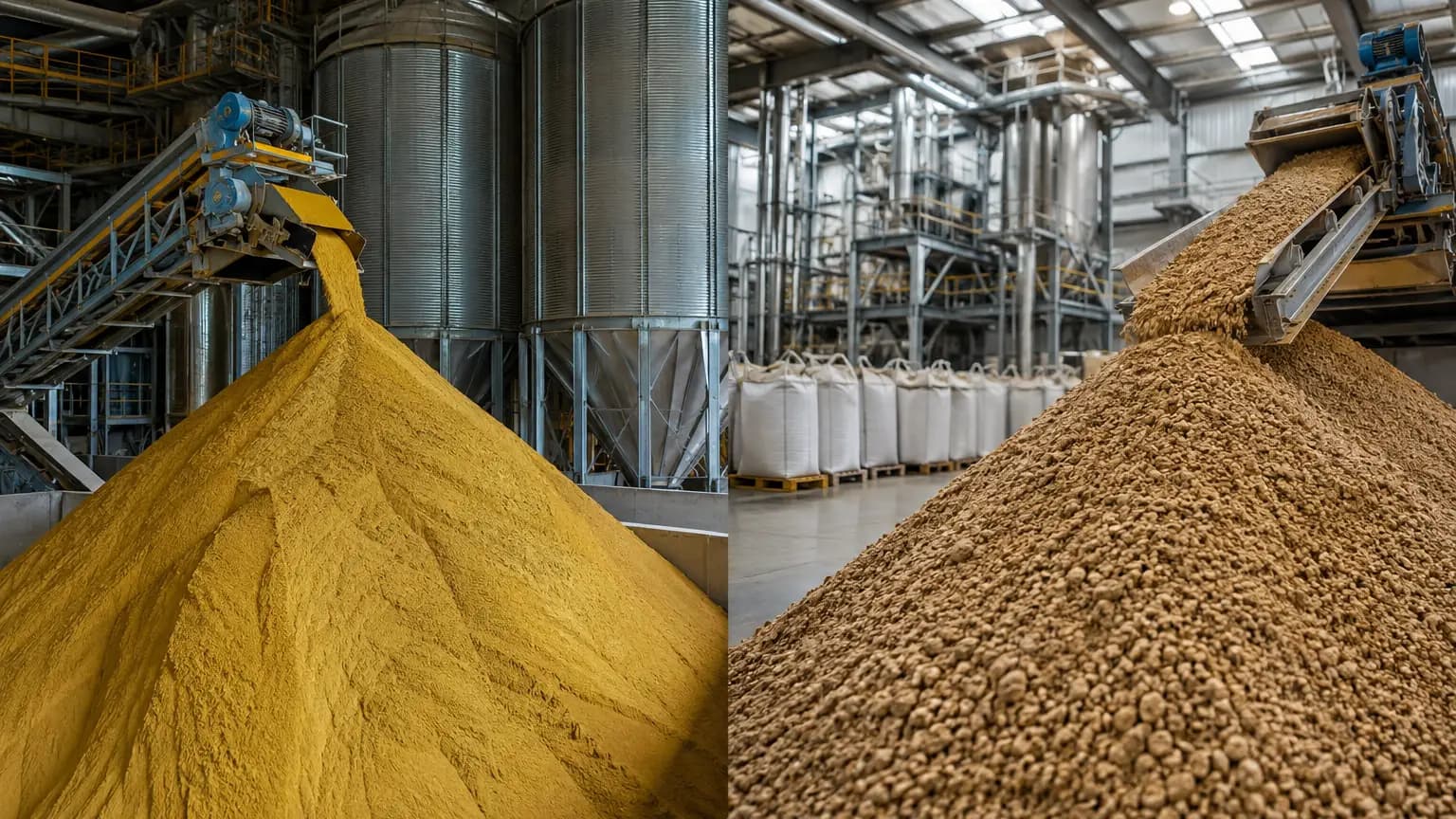
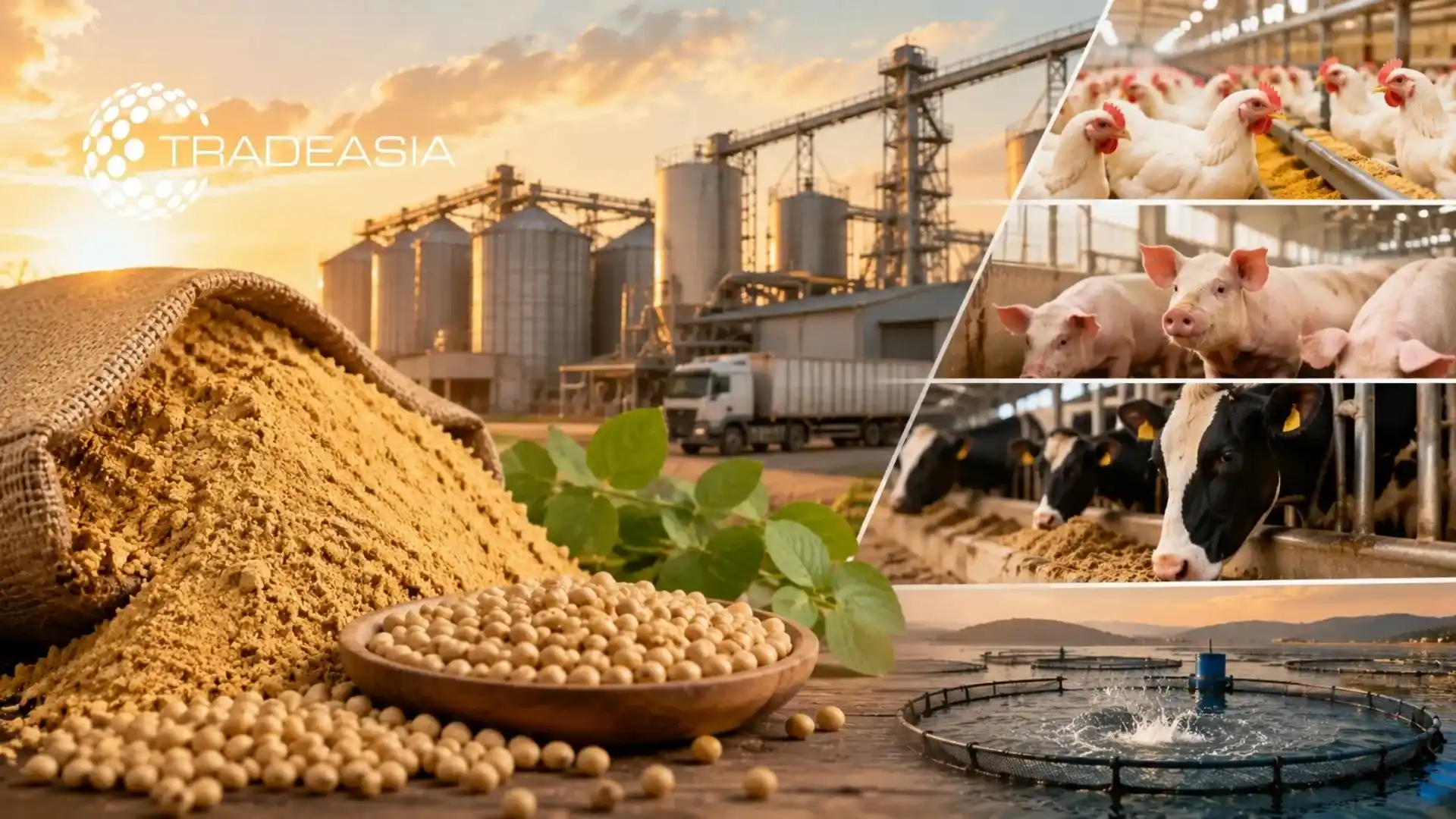
The Asian livestock sector stands at a pivotal juncture, driven by relentless population growth, rising incomes, and shifting dietary preferences towards animal protein. This surge in demand places unprecedented pressure on feed resources, making the search for efficient, sustainable, and cost-effective energy sources a top priority for the industry. As we look towards 2026, one ingredient is poised to play an increasingly critical role in meeting this challenge: Corn Gluten Feed (CGF). A co-product of the wet corn milling process, CGF is transitioning from a mere by-product to a strategic feed component valued for its balanced nutritional profile.
This article provides a comprehensive analysis of Corn Gluten Feed and its vital function as an energy source within Asia's dynamic animal feed landscape. We will delve beyond basic definitions to explore its specific applications in ruminant and monogastric nutrition, examine the regional market drivers and projected trends leading to 2026, and outline crucial considerations for sourcing and integrating this ingredient into modern feed formulations. For industry stakeholders across Asia—from feed millers and integrators to nutritionists and traders—understanding the potential of CGF is key to building resilient and profitable livestock operations in the coming years.
Understanding Corn Gluten Feed: Composition and Key Features
Corn Gluten Feed is not a uniform commodity but a variable mixture primarily consisting of the bran, germ, and steep liquor solubles from corn processing. Its exact nutritional composition can vary based on the source and processing methods, but it typically offers a unique blend of energy, protein, and fiber. On a dry matter basis, CGF generally contains 18-25% crude protein, a significant portion of which is ruminally degradable, making it a valuable protein source for dairy and beef cattle. Its true standout feature, however, lies in its energy content, derived from highly digestible fiber and residual starch.
The energy value of CGF is multifaceted. It provides a substantial amount of metabolizable energy from its fiber components, which are more digestible than those in many other roughage sources. This makes it an excellent "bridge" ingredient, supplying energy where high-starch grains might cause digestive upset. Furthermore, the presence of soluble fiber and other compounds can positively influence gut health. Compared to straight grains, CGF offers a lower risk of acidosis in ruminants and provides a more sustained energy release. For monogastrics like poultry and swine, its application is more selective, often limited by its fiber content, but it remains a valuable energy-protein source in certain dietary phases, particularly for sows and layers where gut fill and satiety are beneficial.
When evaluating Corn Gluten Feed for procurement, key specifications beyond crude protein and moisture content include fat/oil content (often 2-4%), crude fiber (7-10%), and total digestible nutrients (TDN). Its physical form—whether wet, dry, or pelleted—also impacts handling, storage, and inclusion rates. Sourcing from reputable suppliers who provide consistent quality and detailed specifications is paramount. Platforms and suppliers like feedingredientsasia.com and the network of chemtradeasia portals (such as chemtradeasia.com and chemtradeasia.co.id) are instrumental in connecting Asian buyers with reliable global and regional sources of standardized CGF, ensuring formulation accuracy and feed safety.
The Asian Livestock Boom and Feed Energy Demand
Asia is the epicenter of global livestock production growth. Countries like China, India, Vietnam, Indonesia, and the Philippines are experiencing rapid intensification of poultry, swine, dairy, and beef operations. This transformation is fueled by urbanization and a burgeoning middle class with increased purchasing power. The FAO projects that to meet this demand, Asia's feed production will need to grow significantly, placing immense strain on traditional feed ingredients like corn and soybean meal, whose prices are volatile and subject to global trade dynamics and climate events.
This scenario creates a powerful driver for alternative energy and protein sources. Feed manufacturers and livestock producers are actively seeking ingredients that can reduce formulation costs without compromising animal performance or health. Corn Gluten Feed enters this equation as a compelling solution. It offers a price-competitive alternative to more expensive grains and protein meals, helping to stabilize feed costs. Furthermore, its use supports the principles of the circular economy by valorizing a co-product of the food and biofuel industries, aligning with growing corporate and consumer interest in sustainable production practices.
The demand is particularly acute in regions with limited arable land for feed crop production or those heavily reliant on imports. For these markets, securing a steady supply of cost-effective, nutrient-dense ingredients like CGF is a matter of economic and food security. The trade infrastructure facilitated by specialized B2B platforms is crucial in smoothing this supply chain, allowing Asian buyers to efficiently source from major producing regions like the United States and within Asia itself, adapting to logistical and geopolitical shifts.
Primary Energy Applications in Livestock Ruminant and Monogastric Diets
In ruminant nutrition, Corn Gluten Feed shines as a versatile energy source. In dairy cattle diets, it is extensively used to provide a blend of rumen-degradable protein and highly digestible fiber, supporting milk production and component yields. Its energy is released in a manner that promotes a stable rumen pH, reducing the risk of sub-acute ruminal acidosis (SARA) compared to high-starch rations. For beef cattle on growing and finishing diets, CGF is an excellent energy-dense ingredient that promotes efficient weight gain. It is also widely used in backgrounding programs and can be a valuable component in total mixed rations (TMRs) or as a supplement in pasture-based systems.
For monogastric animals, the application of CGF is more nuanced due to their limited ability to digest fiber. However, it holds specific, valuable niches. In poultry, it is used in limited inclusion rates in layer hen diets, where its energy and protein contribute to egg production, and its fiber can help control feather pecking and improve satiety. In swine nutrition, CGF is most effectively utilized in sow gestation diets. The fiber content promotes gut health, increases satiety to reduce stereotypic behaviors, and helps manage body condition. Its use in growing-finishing pig diets is generally low due to fiber's dilution of energy density, but it can be incorporated strategically based on cost and specific nutritional goals.
The key to successful application across all species is precise formulation. Modern least-cost formulation software allows nutritionists to accurately price in the energy, protein, and fiber from CGF, determining its optimal inclusion level against competing ingredients like distillers' grains, wheat middlings, or rice bran. This technical integration ensures that the energy from CGF is harnessed efficiently, maximizing return on investment for the feed miller and the livestock producer.
Market Outlook: Corn Gluten Feed in Asia to 2026
The market trajectory for Corn Gluten Feed in Asia through 2026 appears robust, shaped by several convergent trends. First, the structural protein and energy deficit in the region is unlikely to abate, sustaining demand for imported feed ingredients. Second, volatility in corn and soybean markets will periodically make CGF a highly attractive alternative, boosting its inclusion in formulations. Third, the continued growth of the wet milling industry, both for starch/sweeteners and bioethanol (in some countries), ensures a steady global supply of this co-product.
Regionally, Southeast Asia is expected to see particularly strong growth in CGF consumption. The rapid expansion of integrated dairy farms in countries like Thailand and Vietnam, alongside sustained poultry and swine production, creates a ready market. Import data already shows consistent volumes entering ports in Southeast Asia, a trend poised to continue. Furthermore, as animal nutrition science advances, a deeper understanding of fiber digestion and gut health in both ruminants and monogastrics may open new application avenues for CGF, potentially increasing its value proposition.
Challenges remain, including logistical costs, quality consistency, and competition from other agro-industrial by-products. However, the establishment of stronger trade networks and digital sourcing platforms helps mitigate these issues. The role of specialized connectors like the chemtradeasia network (e.g., chemtradeasia.sg for Southeast Asia or chemtradeasia.ae for Middle East-Asia trade links) will be increasingly important in providing market intelligence, ensuring quality compliance, and facilitating smooth transactions for Asian buyers seeking reliable Corn Gluten Feed supplies through 2026 and beyond.
Sourcing and Quality Assurance for Optimal Feed Formulation
Procuring high-quality Corn Gluten Feed is the foundation for realizing its nutritional and economic benefits. Variability is the primary concern; differences in moisture content, nutritional profile, and physical characteristics can disrupt feed mill operations and animal performance. Therefore, establishing strict quality assurance protocols with suppliers is non-negotiable. This includes requesting and analyzing certificates of analysis (CoA) for each shipment, verifying parameters like protein, fat, fiber, moisture, and mycotoxin levels.
Partnering with established suppliers and B2B platforms that specialize in agricultural commodities adds a layer of security. These entities often have rigorous vendor qualification processes and can provide batch-specific data, ensuring traceability and consistency. For instance, engaging through a platform like feedingredientsasia.com or a regional portal like chemtradeasia.in can connect buyers with pre-vetted suppliers who understand the specific needs of the Asian feed market. This professional sourcing approach minimizes the risk of adulteration or receipt of off-spec material.
Beyond basic specs, savvy buyers also consider logistical factors. The choice between wet and dry CGF impacts storage infrastructure and transportation costs. Pelleted CGF, while sometimes more expensive, offers better handling and reduced dust. Understanding incoterms, shipping schedules, and port capabilities is crucial for cost-effective procurement. By mastering both the technical and commercial aspects of sourcing—leveraging reliable partners for market access and quality control—feed companies can confidently and effectively integrate Corn Gluten Feed into their strategic ingredient matrix.
Conclusion
As Asia's livestock industry marches towards 2026, the strategic importance of efficient and sustainable feed ingredients cannot be overstated. Corn Gluten Feed has firmly established itself as a key player in this landscape, offering a reliable, cost-effective source of energy and protein that supports both animal productivity and feed mill economics. Its unique nutritional profile, particularly its digestible fiber energy, makes it a versatile tool for nutritionists formulating diets for dairy cows, beef cattle, and specific classes of poultry and swine.
The market dynamics of supply, demand, and trade are favorable for its continued adoption. Success, however, hinges on informed application and diligent sourcing. By leveraging deep nutritional knowledge, precise formulation software, and robust procurement channels through trusted industry platforms, stakeholders can fully capitalize on the value proposition of CGF. Embracing such ingredients is not merely a cost-saving tactic but a step towards building a more resilient, efficient, and sustainable animal protein supply chain for Asia's future.
Disclaimer: This article is for informational and market insight purposes only. It is not intended as technical, safety, or professional advice for feed formulation or animal nutrition. The information presented on product applications, specifications, and market trends should be verified independently. For specific applications, readers are strongly advised to consult with qualified animal nutrition experts, refer to official product documentation and safety data sheets (SDS/MSDS), and contact our technical team for precise, application-specific guidance.