Explore our network of country and industry based websites to access localized information, product offerings, and business services across our group.
Log in to start sending quotation requests for any product.
Don't have an account? Sign Up Here
Home Learning Center Soya Lecithin
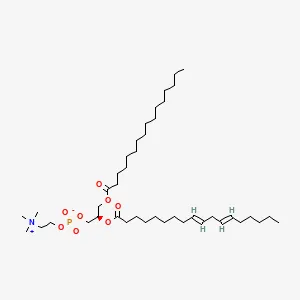
Soya Lecithin Structure
| Chemical Name | : Soya Lecithin |
| Common Names | : Soy Lecithin, Soybean Lecithin, Vegetable Lecithin |
| CAS Number | : 8002-43-5 |
| Chemical Nature | : Complex mixture of phospholipids (phosphatidylcholine, phosphatidylethanolamine, phosphatidylinositol) |
| HS Code | : 2923.20 |
| Origin | : Derived from soybean oil degumming |
| Grade | : Feed Grade |
Soya Lecithin is a natural, complex mixture of phospholipids and neutral lipids obtained as a by-product of soybean oil refining. During the degumming process, the phospholipid-rich gums are separated from crude soybean oil, dried, and standardized to produce commercial lecithin.
As a feed ingredient, soya lecithin is valued primarily for its emulsifying properties, which improve fat and oil digestion by forming stable oil-in-water emulsions in the gut. This significantly enhances the bioavailability of fat-soluble vitamins (A, D, E, K) and other lipid-soluble nutrients, leading to better energy utilization and improved feed conversion ratios across a wide range of animal species.
Soya lecithin is also a source of choline, an essential nutrient involved in fat metabolism, neural function, and cell membrane integrity. Its inclusion in feed formulations supports liver health, reduces fat accumulation, and improves overall production performance in poultry, swine, aquaculture, and ruminants.
| Appearance | : Viscous, amber to dark brown liquid (fluid grade) or free-flowing powder (de-oiled grade) |
| Odor | : Characteristic, slight nutty/fatty odor |
| Density | : ~1.02 g/cm³ (liquid) |
| Viscosity | : 80 – 150 poise at 25 °C |
| Moisture Content | : ≤ 1.0% |
| Acetone Insolubles (Phospholipids) | : ≥ 62% |
| Hexane Insolubles | : ≤ 0.3% |
| Acid Value | : ≤ 36 mg KOH/g |
| Peroxide Value | : ≤ 10 meq O₂/kg |
| Choline Content | : ~3.0 – 3.5% |
Poultry: Improves fat emulsification and absorption, enhancing energy utilization and growth rate in broilers; supports egg yolk formation and quality in layers.
Swine: Promotes healthy liver function and fat metabolism in sows and growers; reduces incidence of fatty liver syndrome.
Aquaculture: Essential in fish and shrimp larval feeds as an emulsifier and phospholipid source for membrane development and survival rates.
Ruminants: Enhances milk fat output and overall energy balance in dairy cows; supports calf starter and milk replacer formulations.
Pellet Binding: Acts as a natural lubricant and binder in pelleted feed, improving pellet durability and reducing dust.
Choline Source: Provides natural choline to prevent perosis and fatty liver in poultry and improve sow reproductive performance.
Soya lecithin is produced during the degumming stage of soybean oil processing. Crude soybean oil is treated with water or acid to hydrate the phospholipids, which are then separated by centrifugation. The resulting gums are vacuum-dried to reduce moisture content, yielding fluid lecithin. De-oiled lecithin is produced by extracting residual oil with acetone, resulting in a powder form with higher phospholipid concentration.
Soya Lecithin is considered a non-hazardous material under normal handling and use conditions.
Not classified as hazardous according to GHS criteria.
Dust or mist from spray drying may cause mild respiratory tract irritation. Prolonged exposure to high concentrations of dust should be avoided.
Generally non-irritating to skin. May cause mild irritation in individuals with soy allergy.
Liquid or dust may cause mild mechanical irritation to the eyes.
Non-toxic at normal use levels. Individuals with soy allergy should take precautions.
Derived from soybeans; may contain trace soy proteins. Relevant for human handling in hypersensitive individuals.
Move to fresh air. If respiratory irritation persists, seek medical advice.
Wash affected area with soap and water. If skin irritation or rash occurs, seek medical advice (consider soy allergy).
Rinse eyes thoroughly with clean water for at least 10 minutes. Seek medical attention if irritation persists.
Rinse mouth. Do not induce vomiting. Seek medical advice if large quantities are swallowed or if the individual has a known soy allergy.
Gloves for handling to avoid prolonged skin contact (particularly for allergic individuals)
Safety goggles when handling in dusty or spray conditions
Dust mask for handling de-oiled powder in enclosed spaces
Handle in a cool environment; fluid lecithin becomes less viscous at higher temperatures, which can aid pumping but increases spill risk.
Avoid prolonged exposure to air, heat, and light to prevent oxidation and rancidity.
Use stainless steel, polyethylene, or epoxy-lined equipment; avoid copper or copper alloys, which accelerate oxidation.
Employ appropriate dust controls when handling de-oiled (powder) lecithin in bulk.
Store in tightly sealed containers in a cool, dry, dark location away from heat sources and direct sunlight.
Recommended storage temperature: 10 – 25 °C for fluid lecithin; below 25 °C for powder grade.
Protect from moisture; high humidity can cause clumping in powder grades and quality deterioration in fluid grades.
Keep away from strong oxidizing agents.
Shelf life: 12 months from date of manufacture under recommended storage conditions.
For more detailed information including pricing, customization, and shipping:
Discover more about this product and understand how it may fit into your operations, formulations, or production requirements.
Browse Product

 English
 Indonesian
 简体字
简体字
 العربية
 Español
 Français
 Português
 日本語
日本語
 한국어
한국어
 Tiếng Việt




















