Explore our network of country and industry based websites to access localized information, product offerings, and business services across our group.
Log in to start sending quotation requests for any product.
Don't have an account? Sign Up Here
Home Learning Center Dicalcium Phosphate
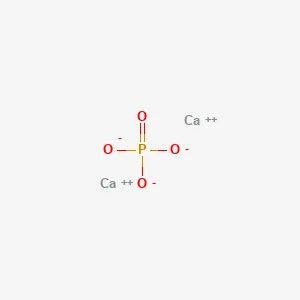
Dicalcium Phosphate Structure
| Chemical Name | : Dicalcium Phosphate |
| Common Names | : DCP, Dibasic Calcium Phosphate, Calcium Hydrogen Phosphate |
| CAS Number | : 7757-93-9 |
| Molecular Formula | : CaHPO₄ |
| Molecular Weight | : 136.06 g/mol |
| HS Code | : 2835.26 |
| Grade | : Feed Grade |
Dicalcium Phosphate (DCP) is an inorganic compound widely used as a mineral supplement in animal feed. It is produced by the reaction of phosphoric acid with calcium carbonate or calcium hydroxide, resulting in a white, odorless powder that is practically insoluble in water but soluble in dilute acids.
As one of the most important feed-grade phosphates, DCP serves as a primary source of both calcium and phosphorus — two essential macrominerals required by livestock, poultry, and aquaculture species for skeletal development, energy metabolism, and overall physiological functions. Its high bioavailability and stability make it a preferred choice for feed formulators worldwide.
DCP is available in anhydrous (CaHPO₄) and dihydrate (CaHPO₄·2H₂O) forms, both of which are suitable for use in animal nutrition applications.
| Appearance | : White to off-white crystalline powder |
| Odor | : Odorless |
| Melting Point | : ~1670 °C (anhydrous) |
| Solubility in Water | : Practically insoluble (0.02 g/100 mL at 25 °C) |
| pH (5% suspension) | : 6.0 – 7.5 |
| Phosphorus Content | : ≥ 18.0% |
| Calcium Content | : ≥ 21.0% |
| Bulk Density | : 0.7 – 1.0 g/cm³ |
| Fluoride Content | : ≤ 0.18% |
Poultry: Supports egg shell formation, bone density, and growth performance in broilers and layers.
Swine: Provides readily available phosphorus and calcium for skeletal development and reproductive performance.
Ruminants: Supplemented in cattle and dairy cow diets to prevent phosphorus deficiency and improve milk production.
Aquaculture: Used in fish and shrimp feeds to meet mineral requirements for bone and scale formation.
Pets: Incorporated into dog and cat food as a mineral source for healthy teeth and bones.
DCP feed grade is commercially produced through the wet process — phosphoric acid (H₃PO₄) is reacted with lime (Ca(OH)₂) or calcium carbonate (CaCO₃) under controlled conditions. The resulting slurry is filtered, dried, and milled to achieve the desired particle size and specifications. Quality control ensures fluoride levels remain within safe limits for animal consumption.
Dicalcium Phosphate feed grade is considered a low-hazard material under normal handling conditions.
Not classified as hazardous under GHS.
Dust inhalation may cause mild respiratory irritation. Prolonged exposure to high dust concentrations should be avoided.
May cause mild irritation with prolonged contact. Non-sensitizing.
Dust may cause mechanical irritation to the eyes.
Low acute oral toxicity. Excessive ingestion may cause gastrointestinal discomfort.
Not classified as environmentally hazardous at typical use levels.
Remove the affected person to fresh air. If breathing difficulty persists, seek medical attention.
Wash thoroughly with soap and water. Remove contaminated clothing. Seek medical advice if irritation persists.
Rinse eyes immediately with plenty of clean water for at least 15 minutes, lifting upper and lower eyelids. Seek medical attention if irritation continues.
Rinse mouth with water. Do not induce vomiting. Seek medical advice if large quantities are ingested.
Dust mask or respirator for dusty environments
Safety goggles to protect eyes from dust
Gloves and protective clothing for prolonged handling
Avoid generating excessive dust during handling and transfer operations.
Use appropriate dust control measures such as local exhaust ventilation in enclosed spaces.
Prevent contamination with incompatible materials such as strong acids and alkalis.
Ensure product is kept dry at all times to preserve quality and flowability.
Store in a cool, dry, well-ventilated area away from moisture and direct sunlight.
Keep in tightly sealed bags or containers to prevent moisture absorption.
Store away from strong acids, alkalis, and oxidizing agents.
Recommended storage temperature: below 30 °C; relative humidity: below 70%.
Shelf life: 24 months from date of manufacture when stored under recommended conditions.
For more detailed information including pricing, customization, and shipping:
Discover more about this product and understand how it may fit into your operations, formulations, or production requirements.
Browse Product

 English
 Indonesian
 简体字
简体字
 العربية
 Español
 Français
 Português
 日本語
日本語
 한국어
한국어
 Tiếng Việt