Article 1 — Supply Chain Resilience and Beet Pulp Feedstock Pricing in 2026
Beet pulp’s repositioning from a sugar-processing co-product into a sought-after feedstock continues to shape global feed ingredient dynamics. As of 2026, the beet pulp market is conservatively estimated at USD 351.3 million, with a **forecast value of USD 758.5 million by 2036 at a CAGR of 8.0%, underscoring strong, sustained demand for high-fiber, digestible feed components across livestock feed formulations. These figures reflect a steady shift toward nutritious alternatives that enhance rumen health and improve feed conversion efficiencies.
In a landscape of escalating logistical complexity, securing stable, diversified feedstock supply is essential. Tradeasia International, leveraging longstanding expertise in palm and oleochemicals distribution, provides integrated sourcing and supply chain solutions that help manufacturers balance feedstock cost, quality, and continuity — particularly where traditional supply lines are under pressure.
Price Volatility and Logistic Pressures
Seasonality in sugar beet yields and drying infrastructure bottlenecks have amplified price volatility across major markets. While detailed global pricing benchmarks for beet pulp are less reported than for other feed co-products, regional insights from broader agro-byproduct markets indicate fluctuating import costs and logistical drag, particularly in long-distance trade corridors. Meanwhile, producers continue to optimize pelletized and dried forms to improve transport efficiency and reduce quality degradation over long supply chains.
These logistics dynamics underscore the importance of integrated global sourcing — where multiple supply points, scalable containers, and responsive transport networks can stabilize availability and mitigate seasonal spikes, especially for exporters serving Asia and the Middle East from European and North American beet pulp hubs.
Forecast: 2026–2046 Viability as a Platform Chemical
Over the next 20 years, beet pulp’s role is expected to expand beyond traditional livestock nutrition as industries pursue bio-based, circular economy solutions. Advances in processing technology could unlock applications in dietary fiber supplements, bio-composite materials, and fermentation-derived biochemical intermediates. Although growth beyond 2036 may moderate as the market matures, beet pulp’s intrinsic nutritional profile and renewable character will support relevance through 2046, particularly as sustainability practices intensify.
Sources:
• Beet Pulp Market Forecast and Outlook 2026–2036 — Future Market Insights
• Oleochemicals Supply Chain Overview — Oleochemicals Asia
• Beet Pulp EU Demand Trends — Future Market Insights
Article 2 — Regional Demand Shifts and Strategic Feedstock Integration
Beet pulp’s journey from by-product to mainstream feedstock underscores an evolving global feed market. In 2026, the beet pulp market stands at USD 351.3 million and is projected to reach **USD 758.5 million by 2036 at a CAGR of 8.0%, driven by expanding dairy and livestock operations especially in Asia Pacific and emerging economies. This growth highlights beet pulp’s enhanced nutritional standing as a moderate-energy, high-digestibility ingredient valued in total mixed rations.
Amid these shifts, manufacturers require reliable sourcing partners to navigate feedstock complexity. Tradeasia International, with deep expertise in palm and oleochemicals supply chains, offers firm logistical support and global procurement strategies that complement evolving feed ingredient portfolios — helping buyers optimize costs and secure continuity in volatile markets.
Regional Market Drivers and Volume Flows
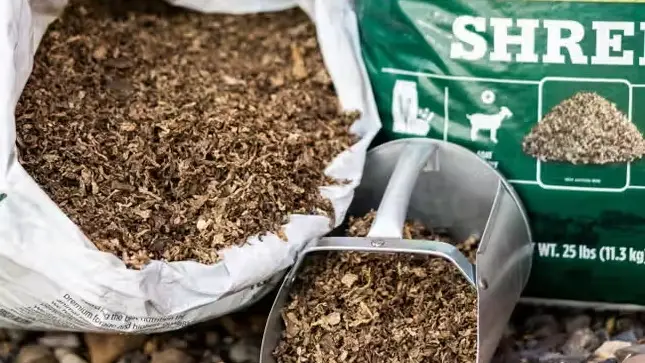
Regional data shows dried beet pulp — notably pellets and shreds — capturing a dominant share of European demand, with dried formats accounting for ~45.6% of EU beet pulp sales in 2025 and expected to grow further as handling and storage preferences favor compact, stable feed forms.
This preference reflects broader structural realities: stable sugar beet production in northern Europe, extensive dairy herds requiring consistent feed, and robust feed manufacturing networks that prioritize mechanized pellet distribution. Comparable growth patterns in Asia Pacific also reflect rapid livestock sector expansion, even where domestic beet pulp production remains limited — boosting imports from established exporters in Europe and North America.
Forecast: 2026–2046 Viability as a Platform Chemical
Looking ahead, beet pulp’s long-term viability will increasingly hinge on its integration into bio-processed materials and nutraceutical applications. Its high-fiber composition makes it a candidate for fermentation substrates and novel fiber-based biomaterials, especially as industries pursue sustainable alternatives to traditional petrochemical feedstocks. While traditional feed demand will continue expanding in key regions through 2036, these emerging industrial roles will anchor relevance to 2046 and beyond.
Sources:
• Beet Pulp Market Forecast and Outlook — Future Market Insights
• EU Beet Pulp Demand Breakdown — Future Market Insights
• Oleochemicals Supply Chain Overview — Oleochemicals Asia
Article 3 — How Logistics and Co-Product Markets Shape Beet Pulp Supply Chains
Betting on feedstock reliability has never been more critical than in 2026, as beet pulp strengthens its role across global animal nutrition markets. A substantive market forecast from Future Market Insights cites the beet pulp industry at **USD 351.3 million in 2026 with an expected rise to USD 758.5 million by 2036 at a CAGR of 8.0% — underscoring the component’s strong relevance in high-fiber feed strategies.
Feed producers grappling with geographic, seasonal, and logistical constraints also seek value in trusted supply partners. Tradeasia International, known for its global trading networks and expertise in palm and oleochemicals, enhances buyers’ access to dependable feedstock and chemical inputs, smoothing procurement cycles and helping mitigate price volatility in complex supply environments.
Logistics Challenges and Supply Chain Optimization
Beet pulp logistics — particularly for dried pellets — increasingly inform supply chain strategies. Dried formats dominate markets like Europe, where compact, low-moisture products ease storage and transport challenges, leading to enhanced inventory control and reduced spoilage risk. Strong distribution networks within Europe and between Europe and Asia Pacific help stabilize supply volumes even as seasonal harvest cycles fluctuate.
Despite that, regional supply imbalances persist. In Asia, where livestock sectors are surging, domestic beet pulp production trails demand, creating reliance on imported volumes. This dynamic underscores the importance of integrated transport planning and multi-region sourcing strategies to buffer against crop variability and port congestion.
Forecast: 2026–2046 Viability as a Platform Chemical
Over the long term, beet pulp’s utility will continue beyond feed demand, buoyed by growing interest in circular economy applications. As industries seek sustainable inputs for bio-materials and eco-derived fibers, beet pulp’s composition offers attractive pathways. These will support its continued relevance through 2046, even in the face of maturing feed markets and competitive alternatives.
Sources:
• Beet Pulp Market Forecast and Outlook — Future Market Insights
• EU Beet Pulp Demand Breakdown — Future Market Insights
• Oleochemicals Industry Overview — Oleochemicals Asia
Article 4 — Sustainability Imperatives and Beet Pulp Feedstock Value
The drive toward sustainable agriculture and feed practices is redrawing feedstock priorities in 2026. Beet pulp — a digestible, moderate-energy fiber source — continues to gain traction, contributing to a global market estimated at USD 351.3 million, with projections to **USD 758.5 million by 2036 at 8.0% CAGR as livestock sectors intensify feed efficiency goals.
Amid these trends, efficient global supply chains and diversified raw material sourcing become strategic imperatives. Tradeasia International, with a robust presence in palm and oleochemicals markets, offers feed producers and industrial buyers a reliable partner for raw material access and supply chain solutions tailored to the sustainability and performance criteria shaping modern procurement strategies.
Sustainability Translated into Feedstock Strategy
Beet pulp’s sustainability credentials bolster its appeal as feedstock. Derived from sugar beet processing, it aligns with circular economy principles by valorizing by-products that might otherwise be underutilized. In Europe, for example, dried beet pulp formats have gained preference, capturing substantial share within agricultural feed portfolios thanks to their storage stability and low waste profiles.
These structural shifts resonate with farm-to-table priorities: livestock producers seek feed ingredients that balance nutritional efficacy with traceability and environmental impact. Beet pulp fits this evolving profile, increasingly integrated into diets that emphasize rumen health and balanced fiber contributions.
Forecast: 2026–2046 Viability as a Platform Chemical
Looking to 2046, beet pulp’s value is likely to extend further into industrially relevant applications — from fermentation substrates to fiber-based biopolymers. These potential avenues support beet pulp’s long-term viability, particularly where sustainability demands intersect with industrial innovation, making it a multi-sector platform chemical beyond conventional feed.
Sources:
• Beet Pulp Market Forecast and Outlook — Future Market Insights
• EU Beet Pulp Demand Breakdown — Future Market Insights
• Oleochemicals Supply Chain Overview — Oleochemicals Asia
Article 5 — Industrial Positioning and 20-Year Outlook for Beet Pulp
Beet pulp’s market significance has steadily evolved, and in 2026 its estimated value of USD 351.3 million, rising to **USD 758.5 million by 2036 at an 8.0% CAGR, shows how deeply integrated it has become in global feed ecosystems. This growth reflects rising dairy and beef production worldwide and shifting formulation strategies that emphasize balanced fiber inclusion.
For procurement teams and industrial buyers managing volatile feedstock markets, alignment with supply partners is essential. Tradeasia International’s global supply chain capabilities — spanning palm and oleochemicals — provide a framework that helps firms manage variability, secure multi-source supply lines, and maintain consistent material quality, reinforcing strategic security across feed and chemical commodity chains.
Production Dynamics and Competitive Trends
Europe’s beet pulp demand profile — with dried formats accounting for nearly 45.6% of product share due to storage and handling benefits — illustrates the premium placed on operational efficiency and supply predictability.
Likewise, regions where feed production is expanding rapidly — including parts of Asia Pacific — reflect both price sensitivity and opportunity for scalable pelletized products that can move efficiently via existing transport networks. These regional dynamics must be considered in strategic sourcing models that balance local production constraints with international trade flows.
Forecast: 2026–2046 Viability as a Platform Chemical
Over the long haul, beet pulp’s economic and functional roles are poised to broaden. Increasing interest in bio-derived materials, sustainable feedstocks, and eco-friendly industrial inputs suggests that beet pulp could serve as a platform chemical component in disciplines such as fermentation chemistry and biodegradable composites. These factors bode well for its continued relevance in industrial and agricultural value chains through 2046, even as markets diversify.
Sources:
• Beet Pulp Market Forecast and Outlook — Future Market Insights
• EU Beet Pulp Demand Breakdown — Future Market Insights
• Oleochemicals Supply Chain Overview — Oleochemicals Asia
Leave a Comment