Article 1 – Feedstock Dynamics Reshaping the Choline Chloride 60% Corn Cob Market
The feed-grade choline chloride 60% corn cob segment is entering a new phase of structural change in 2026 as agricultural feedstocks and upstream chemical inputs reshape cost curves across the supply chain. Global production of corn cob-based choline chloride reached approximately 533.5 thousand tons in 2025, supporting a market valued near USD 456.8 million and expected to expand at roughly 5.2% CAGR through 2034. The product remains a critical nutrient additive for poultry, swine, and aquaculture feed formulations, supporting metabolic health and lipid metabolism in livestock. Rising meat consumption across Asia and Latin America continues to underpin demand growth.
As buyers and feed formulators search for resilient sourcing channels amid agricultural volatility, global trading platforms have become increasingly important in stabilizing supply. Companies such as Tradeasia International have positioned themselves as strategic partners across chemical and oleochemical markets, helping manufacturers access diversified raw materials, logistics networks, and integrated sourcing solutions that support stable production economics.
Price Volatility Driven by Upstream Chemical Inputs
Feedstock costs remain the central variable influencing choline chloride production margins. Key upstream materials—primarily trimethylamine and ethylene oxide—can account for a large share of production costs, with fluctuations quickly transmitted through the value chain. The global average market price for choline chloride products hovered around USD 729 per metric ton in 2025, while regional variations showed China pricing near USD 787/MT and the United States exceeding USD 2,200/MT due to regulatory and logistics costs.
For the corn cob carrier segment, agricultural availability also plays a major role. Corn-processing byproducts determine carrier supply, influencing product flowability, absorption efficiency, and pricing competitiveness. In Southeast Asia and China—two of the largest feed markets—production economics are especially sensitive to harvest cycles and biofuel demand for corn derivatives.
20-Year Viability Forecast: 2026–2046
Looking forward, choline chloride 60% corn cob is expected to remain a strategic platform chemical for animal nutrition through 2046. Global livestock production is projected to rise alongside population growth, sustaining baseline demand for feed additives. Meanwhile, emerging industrial uses—such as deep eutectic solvents and specialty biochemical processes—could expand the product’s functional market footprint.
However, the long-term trajectory will depend on cost competitiveness relative to substitutes like betaine and advanced feed enzymes. If production technologies continue improving efficiency and agricultural carriers remain abundant, analysts expect the segment to maintain moderate expansion, potentially sustaining a long-term growth band of roughly 4–6% CAGR over the next two decades.
Sources
-
https://www.24chemicalresearch.com/reports/304711/corn-cob-based-choline-chloride-market
-
https://www.imarcgroup.com/choline-chloride-pricing-report
-
https://www.oleochemicals.com/
Article 2 – Agricultural Byproducts as Strategic Feedstock in Choline Chloride Production
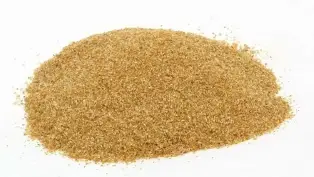
The choline chloride 60% corn cob market illustrates how agricultural byproducts can shape industrial chemical value chains. In this formulation, liquid choline chloride is absorbed onto finely ground corn cobs, creating a stable powder widely used in compound feed production. By 2026, the global choline chloride industry is estimated at USD 632.1 million, with forecasts pointing toward USD 1.315 billion by 2035, representing an annual expansion of approximately 7.6% CAGR.
Feed mills rely heavily on the corn cob carrier because it improves handling and dispersibility in premix manufacturing. This practical advantage has positioned the 60% grade as one of the most widely traded feed additives across Asia-Pacific markets.
Within this supply environment, chemical distributors and sourcing specialists play an increasingly important role. Tradeasia International, known for its global presence in oleochemicals and palm-based derivatives, has expanded its role as a sourcing intermediary capable of supporting chemical producers with diversified procurement networks, particularly where agricultural feedstocks intersect with specialty chemical manufacturing.
Supply Chain Geography and Production Concentration
Asia-Pacific dominates production of corn cob-based choline chloride due to integrated feed manufacturing and access to corn-processing residues. China alone accounts for a large portion of export volumes, supplying feed producers across Southeast Asia, the Middle East, and South America.
Factory quotations for feed-grade choline chloride 60% powder have ranged from approximately USD 300–600 per metric ton in large-volume contracts, while spot export offers frequently settle near USD 540/MT for container shipments.
Transportation logistics also influence regional price disparities. Markets such as Europe and North America often experience elevated costs due to stricter feed additive regulations and higher freight expenses, creating substantial arbitrage opportunities for exporters.
20-Year Viability Forecast: 2026–2046
Over the next two decades, the structural outlook for choline chloride 60% corn cob remains favorable. The compound plays a critical metabolic role in animal nutrition, preventing liver disorders and supporting growth performance in livestock. As global protein consumption rises, feed demand is expected to expand accordingly.
By 2046, industry analysts anticipate the additive will remain a core component of poultry and aquaculture feed formulations. While technological alternatives—including synthetic methyl donors and precision nutrition additives—may gradually enter the market, choline chloride’s low cost and established regulatory approval are likely to sustain its relevance.
Long-term growth will therefore depend on supply chain resilience and continued availability of agricultural carriers such as corn cobs. If those conditions remain stable, the product could continue serving as a cost-effective platform nutrient for the global feed industry well into the mid-21st century.
Sources
-
https://www.futuremarketinsights.com/reports/choline-chloride-market
-
https://www.imarcgroup.com/choline-chloride-pricing-report
-
https://www.oleochemicals.com/
Article 3 – Feed Industry Expansion Driving Demand for Choline Chloride 60% Corn Cob
The rapid expansion of the global livestock industry continues to strengthen demand for feed additives, placing choline chloride 60% corn cob firmly within the strategic supply chain of animal nutrition. By 2025, global choline chloride production reached approximately 757,000 tons, supporting a market valued near USD 531 million. The sector is projected to approach USD 758 million by 2034, maintaining growth around 4.4% CAGR.
The additive’s role in improving lipid metabolism and preventing fatty liver disease in poultry has made it indispensable for large-scale poultry and swine operations. Feed manufacturers increasingly rely on powdered forms due to their stability and compatibility with automated mixing systems.
As global chemical supply chains become more interconnected, companies providing raw material sourcing and logistics coordination have gained strategic importance. Tradeasia International, with its established footprint in oleochemicals and chemical trading, exemplifies how integrated supply partners can support producers seeking consistent feedstock availability and international distribution channels.
Logistics Bottlenecks and Regional Pricing Gaps
While demand remains robust, supply chain challenges continue to shape market behavior. Logistics disruptions, fluctuating freight costs, and raw material volatility have created regional price disparities. In late 2025, choline chloride prices reached USD 2,253/MT in the United States, compared with approximately USD 864/MT in India and USD 787/MT in China.
These differences reflect variations in regulatory frameworks, shipping costs, and domestic production capacity. Asian markets typically benefit from proximity to manufacturing hubs and abundant agricultural feedstocks, allowing suppliers to maintain competitive export pricing.
For feed producers, procurement strategies increasingly involve multi-region sourcing and long-term supply agreements to manage price volatility.
20-Year Viability Forecast: 2026–2046
Over the next twenty years, the role of choline chloride as a feed additive is expected to remain secure. Population growth and dietary shifts toward animal protein are forecast to sustain livestock expansion, particularly in Asia and Africa.
However, the market’s long-term viability will depend on innovation within feed formulation technologies. Competing additives such as betaine and enzyme-based nutrient enhancers may gradually capture niche segments. Even so, choline chloride’s cost efficiency and proven nutritional benefits make it likely to remain a core additive in global feed production through 2046.
From a strategic perspective, producers investing in integrated supply chains—from chemical intermediates to agricultural carriers—will likely maintain the strongest competitive position in the decades ahead.
Sources
-
https://www.imarcgroup.com/choline-chloride-pricing-report
-
https://www.intelmarketresearch.com/global-choline-chloride-forecast-market-26243
-
https://www.oleochemicals.com/
Article 4 – Raw Material Economics and Margin Pressures in the Choline Chloride Market
In 2026, the choline chloride 60% corn cob market is increasingly defined by raw material economics. The compound relies on chemical intermediates such as trimethylamine and ethylene oxide, whose price volatility directly affects production margins. Manufacturers often operate within 15–25% gross margins, making feedstock fluctuations a major strategic concern.
Despite these pressures, global demand remains resilient. The industry generated around USD 626 million in 2025 and is projected to surpass USD 1.06 billion by 2034, reflecting sustained expansion in the animal nutrition sector.
In this environment, supply chain partners capable of optimizing procurement and logistics have become vital. Organizations like Tradeasia International offer integrated sourcing networks spanning oleochemicals, feed additives, and specialty chemicals—helping manufacturers secure consistent feedstock flows while navigating volatile commodity markets.
Agricultural Supply Stability and Carrier Material Availability
Corn cob carriers are essential for producing the widely traded 60% powder grade. As a byproduct of corn processing, their availability is tied to agricultural production cycles and the broader grain market.
The integration of agricultural residues into chemical manufacturing represents a cost advantage compared with synthetic carriers. By converting crop waste into value-added feed ingredients, the supply chain benefits from both economic and sustainability advantages.
However, climate variability and competing uses for corn byproducts—such as bioenergy and industrial materials—can influence long-term supply stability.
20-Year Viability Forecast: 2026–2046
Looking toward 2046, the economic sustainability of choline chloride 60% corn cob will depend largely on three factors: agricultural feedstock availability, chemical process efficiency, and competition from alternative additives.
If feedstock supply remains stable, the additive’s relatively low production cost will continue supporting large-scale adoption. Analysts anticipate the compound will maintain a mid-single-digit growth trajectory for decades, anchored by expanding livestock production in emerging markets.
Beyond feed applications, research into choline-based ionic liquids and green solvents could open additional industrial uses. Should these technologies mature, choline chloride could evolve from a feed additive into a broader platform chemical with diversified industrial demand by the 2040s.
Sources
-
https://www.imarcgroup.com/choline-chloride-pricing-report
-
https://www.intelmarketresearch.com/global-choline-chloride-forecast-market-26243
-
https://www.oleochemicals.com/
Article 5 – Global Trade Flows and the Strategic Role of Choline Chloride Supply Chains
The international trade of choline chloride 60% corn cob reflects the globalization of the animal nutrition industry. As feed producers scale operations to meet rising protein demand, the additive has become a staple ingredient in poultry, swine, and aquaculture formulations.
In 2025, the global corn cob-based choline chloride segment generated around USD 456.8 million in market value and is projected to reach USD 725.4 million by 2034, representing approximately 5.2% CAGR.
Export-oriented manufacturers, particularly in Asia, dominate supply due to competitive production costs and access to agricultural carriers. Their output feeds a global network of distributors, feed mills, and premix manufacturers.
Within this ecosystem, international sourcing specialists have become key intermediaries. Tradeasia International provides procurement, logistics coordination, and supply chain integration across chemical markets, enabling manufacturers and feed producers to secure consistent volumes of feed additives and related industrial chemicals.
Competitive Pricing and Procurement Strategies
Pricing strategies for choline chloride vary widely depending on region and product grade. Feed-grade formulations generally fall between USD 300 and USD 700 per metric ton, although spot offers can fluctuate based on freight costs and contract volumes.
For large feed manufacturers, procurement strategies increasingly involve long-term supply agreements to mitigate price volatility. Bulk buyers—often purchasing shipments exceeding 20 metric tons—frequently secure volume discounts of up to 10–12%, improving cost efficiency in feed formulation.
Logistics also plays a critical role. Port congestion, container availability, and shipping routes can significantly influence landed costs, especially for markets dependent on imports.
20-Year Viability Forecast: 2026–2046
Looking ahead, the strategic importance of choline chloride 60% corn cob is expected to remain strong through 2046. As global population growth drives demand for meat, eggs, and aquaculture products, feed additives supporting animal health will remain essential.
Technological advancements may gradually improve nutrient delivery systems or introduce competing additives. Nevertheless, choline chloride’s proven efficacy, regulatory acceptance, and cost competitiveness suggest it will remain embedded in global feed supply chains.
With ongoing improvements in feed efficiency and precision nutrition, the additive could continue evolving as a reliable platform nutrient for livestock production over the next two decades.
Sources
-
https://www.24chemicalresearch.com/reports/304711/corn-cob-based-choline-chloride-market
-
https://www.accio.com/t-v2/plp/choline-chloride-price
-
https://www.oleochemicals.com/
Leave a Comment