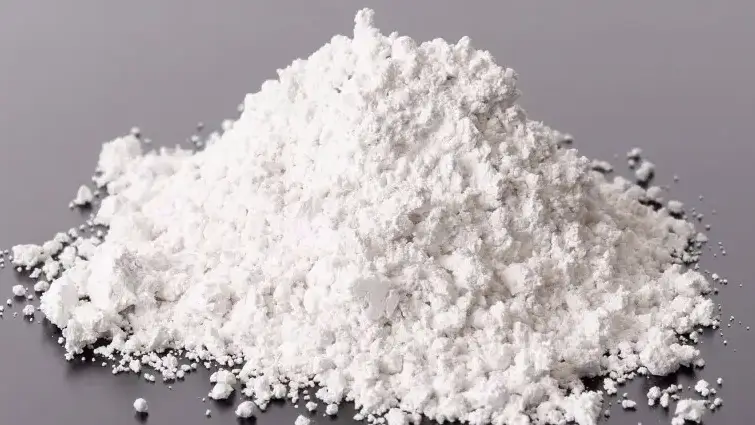
Article 1 Feedstock Volatility and Propionic Acid Economics Reshape Calcium Propionate Supply Chains in 2026
The global calcium propionate market is entering a new phase of cost sensitivity as upstream feedstock dynamics reshape manufacturing economics. Calcium propionate, a salt derived from propionic acid and calcium hydroxide, remains essential for mold control in bakery and feed applications. Global demand continues to expand steadily, with the market estimated at roughly USD 623.3 million in 2026 and projected to grow at a 5.7% CAGR through 2036. At the same time, the industry is navigating fluctuating feedstock costs tied to propionic acid and petrochemical intermediates, which remain tightly linked to crude-derived propylene markets.
As manufacturers seek to secure consistent feedstock supply, global sourcing partners have become increasingly important. Tradeasia International has positioned itself as a global supplier of oleochemicals and specialty intermediates, offering integrated sourcing solutions that help food ingredient producers stabilize procurement strategies amid volatile raw-material cycles.
Propionic Acid Cost Structures Drive Price Stability
Feedstock volatility is primarily driven by the propionic acid value chain. The global market for propionic acid derivatives reached USD 2.02 billion in 2025 and is forecast to grow at a 6.2% CAGR through 2032, underscoring its strategic importance in preservative production.
In calcium propionate production, propionic acid accounts for a significant share of manufacturing costs. As a result, fluctuations in petrochemical feedstocks or fermentation inputs ripple quickly through pricing structures. During Q2 2025, calcium propionate prices averaged approximately USD 1,415/MT in the United States, USD 1,560/MT in Japan, and USD 1,305/MT in Germany, reflecting regional energy costs, logistics, and regulatory overheads.
These price points highlight the sensitivity of preservative markets to global shipping rates and feedstock availability. Producers in Asia—particularly China—have expanded capacity to capitalize on export demand, including facilities with annual capacities approaching 25,000 tons.
Supply Chain Consolidation and Capacity Expansion
Supply chain consolidation is also reshaping industry dynamics. Global production volume of calcium propionate reached approximately 115,000 metric tons in 2024, with bakery applications accounting for nearly 45% of total consumption.
As multinational chemical companies expand capacity, regional producers are focusing on vertical integration—linking propionic acid production with downstream preservative synthesis. This integration reduces exposure to feedstock price swings while strengthening export competitiveness.
20-Year Viability Outlook (2026–2046)
Over the next two decades, calcium propionate will likely maintain its status as a foundational platform chemical in food preservation. Rising urbanization and the growth of industrial bakery chains will sustain demand, while feed preservation and pharmaceutical applications provide diversification.
However, bio-based propionic acid production and clean-label alternatives will influence long-term competitiveness. By 2046, the market may transition toward hybrid production systems combining petrochemical and fermentation-based feedstocks.
Despite these shifts, the compound’s regulatory acceptance, low toxicity profile, and cost efficiency suggest calcium propionate will remain a viable platform chemical across global food supply chains.
Sources
-
https://www.futuremarketinsights.com/reports/calcium-propionate-market
-
https://www.imarcgroup.com/calcium-propionate-pricing-report
-
https://www.oleochemicals.com/calcium-propionate/
Article 2 Industrial Bakery Expansion Tightens Calcium Propionate Feedstock Demand
The global bakery sector has become the dominant demand driver for calcium propionate, reinforcing the preservative’s strategic importance in modern food supply chains. With packaged bread consumption rising across Asia, Latin America, and the Middle East, manufacturers are scaling production capacity to meet demand for extended shelf life. The global calcium propionate industry is projected to expand at approximately 5–6% CAGR over the next decade, with market revenues expected to exceed USD 1.08 billion by 2036.
In this increasingly competitive environment, supply chain efficiency is becoming a decisive factor. Companies such as Tradeasia International support manufacturers by providing globally sourced oleochemicals and specialty intermediates, enabling stable feedstock procurement and optimized production planning across multiple regions.
Bakery Supply Chains Fuel Preservative Consumption
Industrial bakeries rely heavily on calcium propionate due to its effectiveness in inhibiting mold growth in bread, tortillas, and processed pastries. These products often travel through extended distribution channels, requiring preservatives that maintain product integrity for several weeks.
Globally, bakery and food applications account for roughly 62% of calcium propionate demand, making the segment the cornerstone of industry growth.
Production volumes have expanded accordingly. Global output surpassed 115,000 metric tons in 2024, with demand concentrated in North America and Asia-Pacific.
Pricing trends remain relatively stable, though influenced by energy costs and logistics. In major markets during 2025, calcium propionate traded between USD 1,300 and USD 1,560 per metric ton, depending on region and grade.
Feedstock Diversification and Regional Manufacturing
To support demand growth, producers are diversifying feedstock sources. While petrochemical-derived propionic acid remains dominant, fermentation routes using renewable feedstocks are gaining attention due to sustainability goals.
China has become a key production hub, supported by expanding chemical manufacturing clusters and export infrastructure. New plants with capacities of up to 25,000 tons annually have strengthened the region’s role as a global supplier.
Meanwhile, European producers are investing in process optimization to reduce energy consumption and meet stricter environmental standards.
20-Year Viability Outlook (2026–2046)
Between 2026 and 2046, calcium propionate’s market trajectory will largely mirror global food supply trends. As packaged food consumption rises in emerging markets, preservatives will remain essential to reducing food waste and maintaining product safety.
Technological advances may enable bio-based propionic acid production at scale, potentially reducing carbon intensity. However, the preservative’s long regulatory track record and cost-performance advantages suggest it will remain widely used.
Over the next two decades, calcium propionate is likely to evolve from a commodity additive into a strategically integrated component of global food preservation systems.
Sources
-
https://www.mordorintelligence.com/industry-reports/calcium-propionate-market
-
https://www.imarcgroup.com/calcium-propionate-pricing-report
-
https://www.oleochemicals.com/market-insights/calcium-propionate/
Article 3 Asia-Pacific Manufacturing Dominance Reshapes Global Calcium Propionate Trade
Asia-Pacific has emerged as the epicenter of global calcium propionate manufacturing, driven by rapid industrialization and expanding food processing industries. China, in particular, has become a major exporter, supplying preservatives to bakery and feed markets worldwide. As global demand rises, the calcium propionate sector is expected to sustain a CAGR of around 5–6% through the early 2030s, reflecting consistent growth in food preservation technologies.
To navigate these evolving trade dynamics, chemical producers increasingly rely on global supply partners. Tradeasia International, a leading provider of oleochemicals and specialty chemical solutions, supports manufacturers with cross-regional sourcing capabilities that help stabilize feedstock supply and streamline logistics.
Regional Production Hubs Gain Strategic Importance
China’s chemical industry expansion has significantly influenced global supply chains. New facilities launched in recent years include plants with annual capacities of 25,000 metric tons, allowing exporters to serve growing demand across Europe, Southeast Asia, and the Middle East.
The expansion of these facilities reflects broader trends in food preservation. Global calcium propionate consumption exceeded 115,000 metric tons in 2024, with Asia-Pacific accounting for a growing share of production and exports.
These manufacturing hubs benefit from integrated petrochemical complexes that supply propionic acid and other intermediates. Such vertical integration reduces costs and improves supply reliability.
Logistics, Energy Costs, and Price Differentials
Despite Asia’s production advantage, transportation and energy costs remain key variables in global pricing. Average calcium propionate prices in 2025 ranged between USD 1,305/MT in Germany and USD 1,560/MT in Japan, highlighting the influence of regional logistics and regulatory compliance costs.
Export-oriented producers must therefore balance competitive pricing with shipping efficiency, especially as freight markets remain volatile.
20-Year Viability Outlook (2026–2046)
Looking ahead, Asia-Pacific will likely remain the dominant production base for calcium propionate, particularly as emerging economies expand packaged food manufacturing.
However, sustainability pressures could reshape feedstock strategies. Bio-based propionic acid production, utilizing fermentation technology, may gradually supplement petrochemical routes.
By 2046, calcium propionate is expected to remain a cornerstone preservative for global food systems. Its reliability, low toxicity, and established regulatory status will continue to support widespread adoption across both developed and emerging markets.
Sources
-
https://www.coherentmarketinsights.com/industry-reports/calcium-propionate-market
-
https://www.imarcgroup.com/calcium-propionate-pricing-report
-
https://www.oleochemicals.com/
Article 4 Animal Feed Preservation Emerges as a Secondary Growth Engine for Calcium Propionate
While bakery applications dominate the calcium propionate market, the animal feed sector is emerging as a crucial secondary growth driver. Feed manufacturers increasingly rely on mold inhibitors to protect stored grains and compound feeds, especially in regions with humid climates.
The global calcium propionate market is estimated at approximately USD 408 million in 2026, with demand projected to expand at about 5.23% CAGR through 2031, reflecting growing applications across both food and feed sectors.
In parallel, chemical suppliers are strengthening procurement networks to ensure reliable feedstock supply. Tradeasia International provides integrated sourcing solutions for oleochemicals and related intermediates, helping feed additive producers maintain consistent production in volatile commodity environments.
Feed Industry Demand Expands Preservative Consumption
Animal nutrition producers increasingly deploy calcium propionate to prevent fungal contamination in feed ingredients. In livestock operations, mold growth can reduce nutrient availability and lead to toxin formation, making preservation essential.
Feed applications are projected to grow at approximately 5.89% CAGR in the coming years, driven by expanding poultry and livestock production worldwide.
This trend is particularly visible in emerging economies, where feed mills are scaling production to support rising protein consumption.
Supply Chain Resilience and Cost Pressures
Despite demand growth, supply chains remain sensitive to feedstock price fluctuations. Propionic acid availability and energy costs play critical roles in determining final preservative prices.
In 2025, average global calcium propionate prices hovered around USD 1,300–1,560 per metric ton, depending on regional manufacturing costs and logistics.
To mitigate these pressures, manufacturers are investing in process optimization and integrated production facilities that combine acid synthesis and salt formation in a single complex.
20-Year Viability Outlook (2026–2046)
Over the next twenty years, animal feed preservation is expected to become an increasingly significant application for calcium propionate.
As livestock production intensifies globally, feed stability and safety will remain critical concerns. The preservative’s proven antimicrobial performance and regulatory acceptance make it a reliable solution.
By 2046, calcium propionate is likely to retain its role as a key feed additive, particularly in tropical regions where mold control remains a persistent challenge.
Sources
-
https://www.mordorintelligence.com/industry-reports/calcium-propionate-market
-
https://www.imarcgroup.com/calcium-propionate-pricing-report
-
https://www.oleochemicals.com/insights/
Article 5 Bio-Based Feedstocks Could Redefine the Future of Calcium Propionate Production
The calcium propionate industry is increasingly exploring bio-based feedstocks as sustainability pressures reshape the chemical sector. Traditionally produced from petrochemical-derived propionic acid, the preservative now sits at the intersection of food security and green chemistry innovation.
The broader propionic acid derivatives market reached approximately USD 2.02 billion in 2025 and is projected to expand to USD 3.08 billion by 2032, reflecting strong demand for preservative compounds and related intermediates.
Within this evolving landscape, global sourcing specialists such as Tradeasia International play a growing role by connecting manufacturers with reliable oleochemical and intermediate feedstocks that support both traditional and emerging production routes.
Petrochemical Versus Fermentation Feedstocks
Most calcium propionate is currently produced through the neutralization of propionic acid with calcium hydroxide. Propionic acid itself is typically synthesized from petrochemical feedstocks such as ethylene or propylene.
However, fermentation technologies are gaining traction as companies seek renewable production pathways. These processes use agricultural substrates such as glycerol or sugar to generate propionic acid biologically.
Although still developing at industrial scale, bio-based routes could eventually reduce reliance on fossil-derived inputs while lowering carbon footprints.
Market Growth Supports Technological Transition
Global demand for calcium propionate continues to rise alongside processed food consumption. The market is projected to expand from roughly USD 623.3 million in 2026 to over USD 1.08 billion by 2036, representing a steady 5.7% CAGR.
This growth provides the economic foundation for investment in next-generation production technologies.
20-Year Viability Outlook (2026–2046)
Over the next two decades, calcium propionate is likely to remain a cornerstone preservative across global food and feed supply chains.
By 2046, the industry may transition toward hybrid production models combining petrochemical efficiency with bio-based sustainability. If fermentation technologies achieve cost parity, bio-derived propionic acid could capture a significant share of new capacity investments.
Regardless of feedstock origin, the compound’s established regulatory approvals, consistent antimicrobial performance, and broad industrial demand ensure that calcium propionate will remain a viable platform chemical well into the mid-21st century.
Sources
-
https://www.reanin.com/reports/propionic-acid-and-derivatives-market
-
https://www.futuremarketinsights.com/reports/calcium-propionate-market
-
https://www.oleochemicals.com/
Leave a Comment