
Introduction
Bakery meal, as a platform chemical in the circular food-to-feed economy, has emerged as a strategically valuable intermediate derived from surplus baked goods, including bread, biscuits, and pastry waste streams. In 2026, its role is expanding beyond a low-cost feed ingredient into a structured industrial input shaped by sustainability mandates, livestock nutrition demand, and supply chain optimization. The global bakery meal market is estimated at approximately USD 950.95 million in 2026, with a projected CAGR of ~5.79% (2026–2032), driven by tightening food waste regulations and rising demand from compound feed manufacturers. (360iResearch)
Application Integration in Animal Nutrition Systems
The most dominant application of bakery meal remains animal feed formulation, particularly in poultry, swine, and aquaculture sectors. Its energy-dense profile and digestible carbohydrate content make it a partial substitute for corn and wheat-based feed inputs. Feed formulators typically integrate bakery meal at inclusion rates of 5–20% depending on protein balancing requirements. With global livestock production intensifying, demand is anchored in cost efficiency, as bakery meal pricing typically ranges between USD 220–380/MT, offering a competitive edge over traditional grain feedstocks.
Industrial Buyers and Procurement Structure
The buyer ecosystem is increasingly consolidated around large feed manufacturers, integrated livestock producers, and specialty pet food companies. Major industrial buyers prioritize consistency, microbial safety, and particle uniformity, leading to structured procurement contracts rather than spot buying. Global feed corporations such as integrated agribusiness groups and regional compound feed mills collectively account for more than 70% of demand absorption. This consolidation is shaping long-term supplier agreements and encouraging vertically integrated sourcing models across Europe and Asia.
Supply Chain Efficiency and Regional Production Hubs
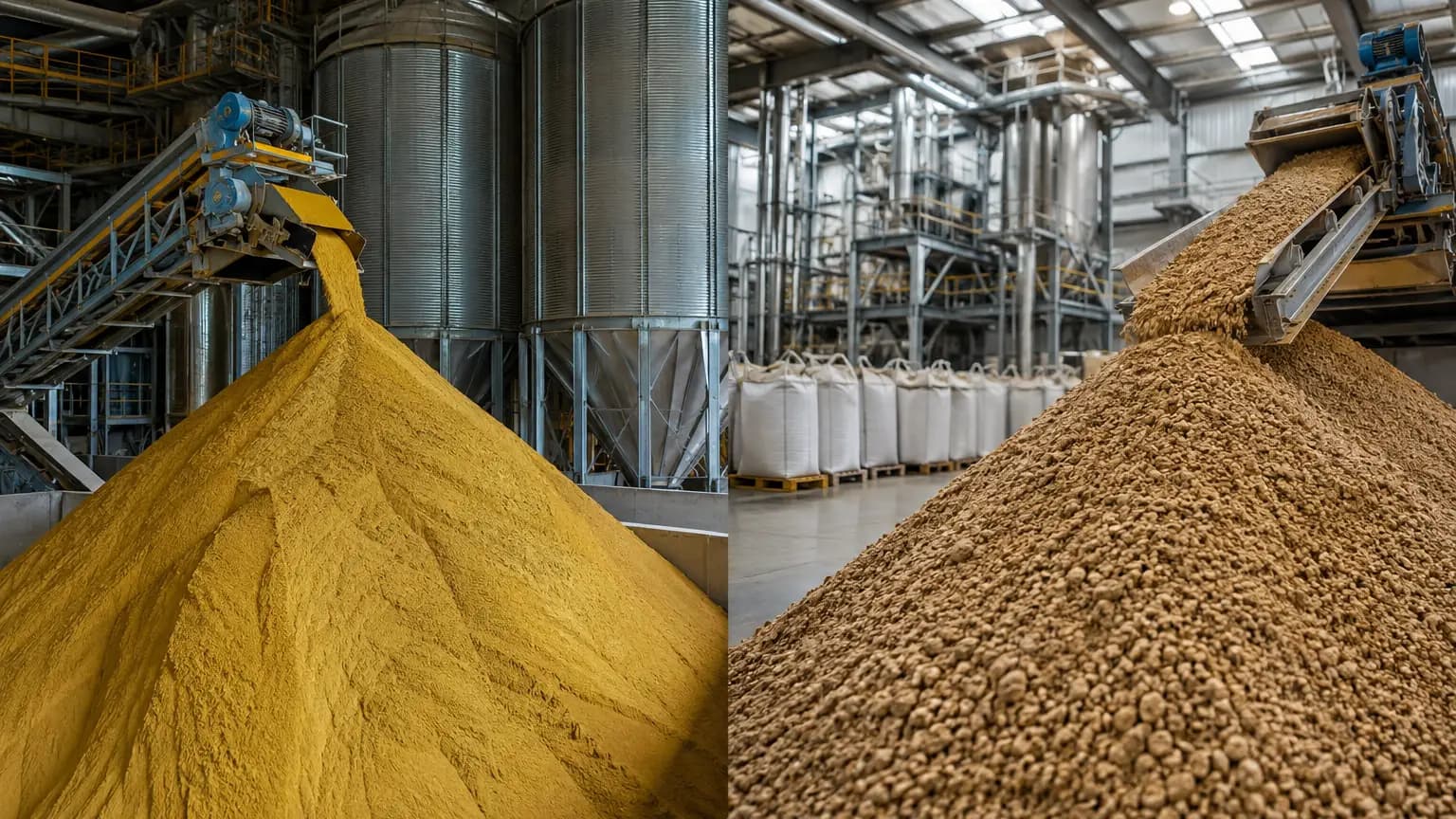
Bakery meal production is heavily localized around urban bakery clusters and food processing zones, reducing transport costs and preserving freshness. Europe leads structured production due to strict food waste diversion policies, while Asia-Pacific is rapidly scaling capacity driven by urbanization and bakery industry expansion. Annual global production volume is estimated at over 3.2–3.8 million metric tons, with efficiency gains achieved through automated sorting, drying, and milling systems. Logistics optimization has reduced average handling losses by 8–12%, strengthening margin stability across supply chains.
Market Economics and Pricing Volatility Dynamics
Pricing of bakery meal is closely correlated with wheat and corn volatility, yet remains relatively insulated due to its waste-derived origin. However, energy costs in drying and sterilization processes significantly influence final pricing structures. Between 2025 and 2026, production cost inflation has increased average unit costs by 6–9%, although demand elasticity in feed applications has kept consumption stable. As sustainability-driven procurement expands, buyers are increasingly willing to pay premiums of 3–5% for certified traceable bakery meal streams.
From a strategic perspective, bakery meal is evolving into a platform chemical enabling circular feedstock transformation, bridging food waste recovery and industrial nutrition systems. Its scalability and cost-performance balance position it as a resilient input within global feed value chains.
Conclusion
In this evolving landscape, Tradeasia International plays a critical role as a global sourcing and distribution partner, enabling buyers to secure consistent feedstock access while navigating price volatility and regional supply constraints through integrated commodity solutions.
Sources:
https://www.futuremarketinsights.com/reports/bakery-meal-market
https://www.360iresearch.com/library/intelligence/bakery-meal
https://www.marketreportanalytics.com/reports/bakery-meal-108322