
Share this product :
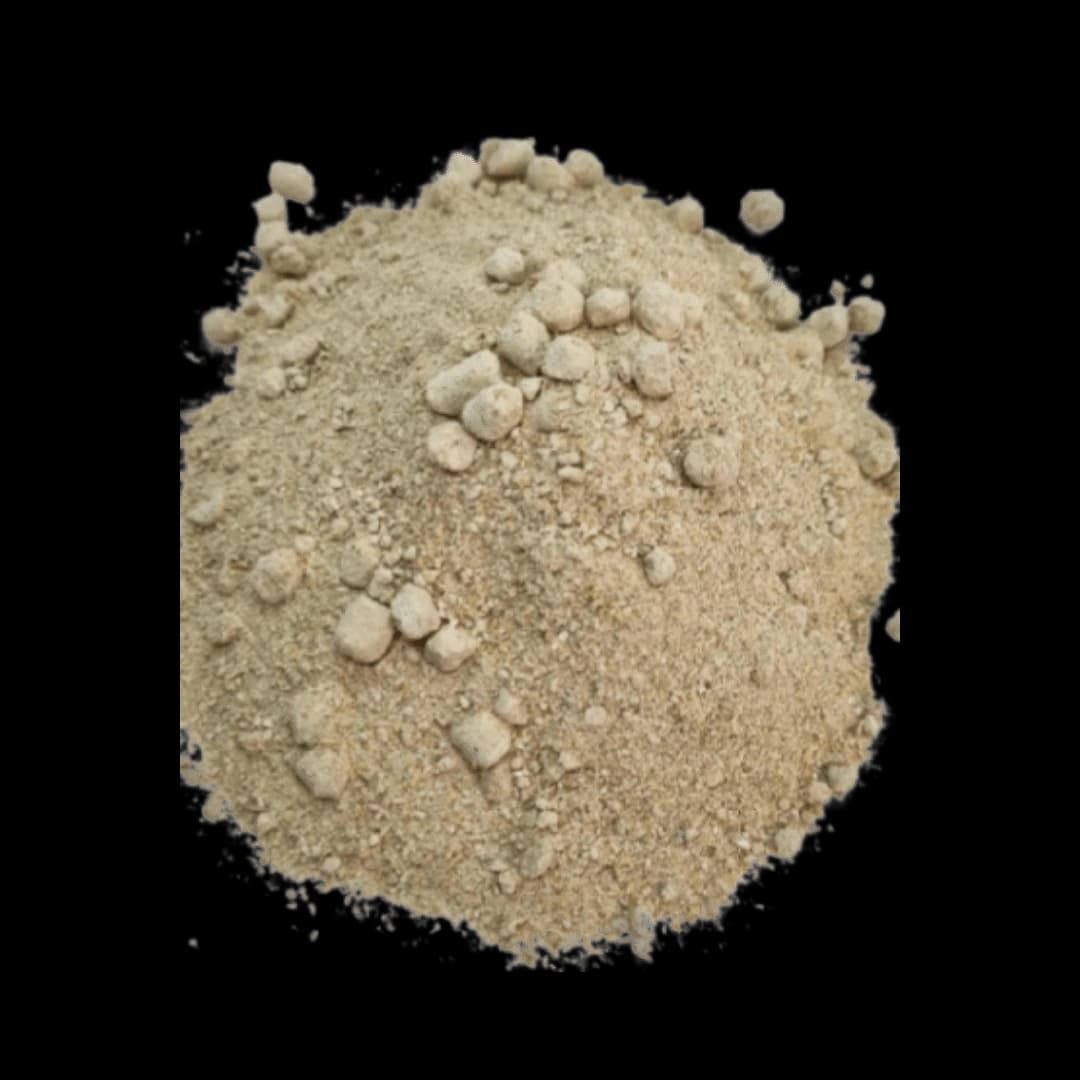
Soybean Meal (GMO) - United States
- Origin
- : United States
- CAS Number
- : 68308-36-1
- HS Code
- : 230400
Basic Info
- Physical State
- : Solid
- Appearance / Color
- : Light tan to yellow flakes or pellets
- Odor
- : Characteristic soy
- Moisture Content (%)
- : <13%
- Synonyms & Trade Names
- : SBM; Dehulled soybean meal (HP); Soybean expeller (Non-GMO/GMO)
- Total Plate Count (TPC)
- : <500,000 CFU/g
- Yeast & Mould
- : <50,000 CFU/g
- E. Coli
- : <100 CFU/g
- Coliform Bacteria
- : <1,000 CFU/g
- Salmonella
- : Negative/25g
- Shelf Life
- : 6 months
- Packaging Size
- : 50 kg / bulk
- Packaging Type
- : PP woven bag / bulk
- Storage Conditions
- : Cool, dry; protected from humidity; pest-free
- Halal Certification
- : Available on request
- Kosher Certification
- : Available on request
- ISO / HACCP
- : Yes
- Food Grade / Regulatory Status
- : Feed grade
- Crude Protein (%, min)
- : 47.5% min (HP SBM)
- Crude Fat / Ether Extract (%, max)
- : 1.5% max
- Crude Fiber (%, max)
- : 3.5% max
- Ash Content — Feed (%, max)
- : 7.0% max
- Calcium Content, Ca (%)
- : 0.25-0.35%
- Phosphorus Content, P (%)
- : 0.6-0.7%
- Pepsin Digestibility (%, min)
- : 85% min
- Bulk Density
- : ~0.60 g/cm³
- Lysine Content (%, min)
- : 2.9% min
- Antioxidant Treatment
- : Ethoxyquin (optional)
- Species of Origin Declaration
- : Glycine max (Soybean)
- Aflatoxin B1
- : <5 ppb
- Heavy Metals — Feed (As, Pb, Hg, Cd)
- : Compliant
- Dioxins & PCBs (pg WHO-TEQ/g fat)
- : Compliant
Categories
Share this product :
Brief Overview
Soybean meal emerges post the extraction of oil from whole soybeans. Typically available in three variations—full-fat, defatted, or defatted and dehulled—each variation differs in protein content and metabolizable energy. To extract oil from the beans, the meal is often processed into flakes. Rich in easily digestible proteins comprising essential amino acids crucial for livestock and poultry, soybean meal predominantly serves as a protein supplement in animal feed.
Manufacturing Process
Soybean meal is primarily produced through two distinct methods: the expeller process, involving pressing, and solvent extraction.
Expeller Process:
Here, an expeller, comprising a screw within a cylindrical cage, presses the soybeans fed between the screw and the barrel. The soybeans undergo progressive compression as they traverse the barrel. Before entering the expeller, the soybeans must undergo cleaning, flaking, cooking, and drying. In the case of dehulled soybean meal, the beans require dehulling as well. Flaking aids in oil release by shortening the distance the oil particles need to travel to the surface, expediting the extraction process.
Solvent Extraction:
This method utilizes solvents to dissolve oil particles within the soybeans, separating the meal from the oil. Initially, the soybeans undergo preparation for extraction, involving cleaning, conditioning, drying, and flaking before entering the process. Dehulling of the beans and their classification into split and whole beans through sifting can also be part of the preparation. Once the beans are flaked and ready for extraction, non-polar solvents are introduced for solid-liquid extraction of oil particles from the soy flakes. Typically, light hydrocarbons, primarily composed of six-carbon alkanes referred to as "hexane" with a low boiling point, are employed for oil extraction.