
Share this product
L-Lysine HCL
- Origin
- Korea (South)
- CAS Number
- 657-27-2
- HS Code
- 29224100
Basic Info
- Physical State
- Solid
- Appearance / Color
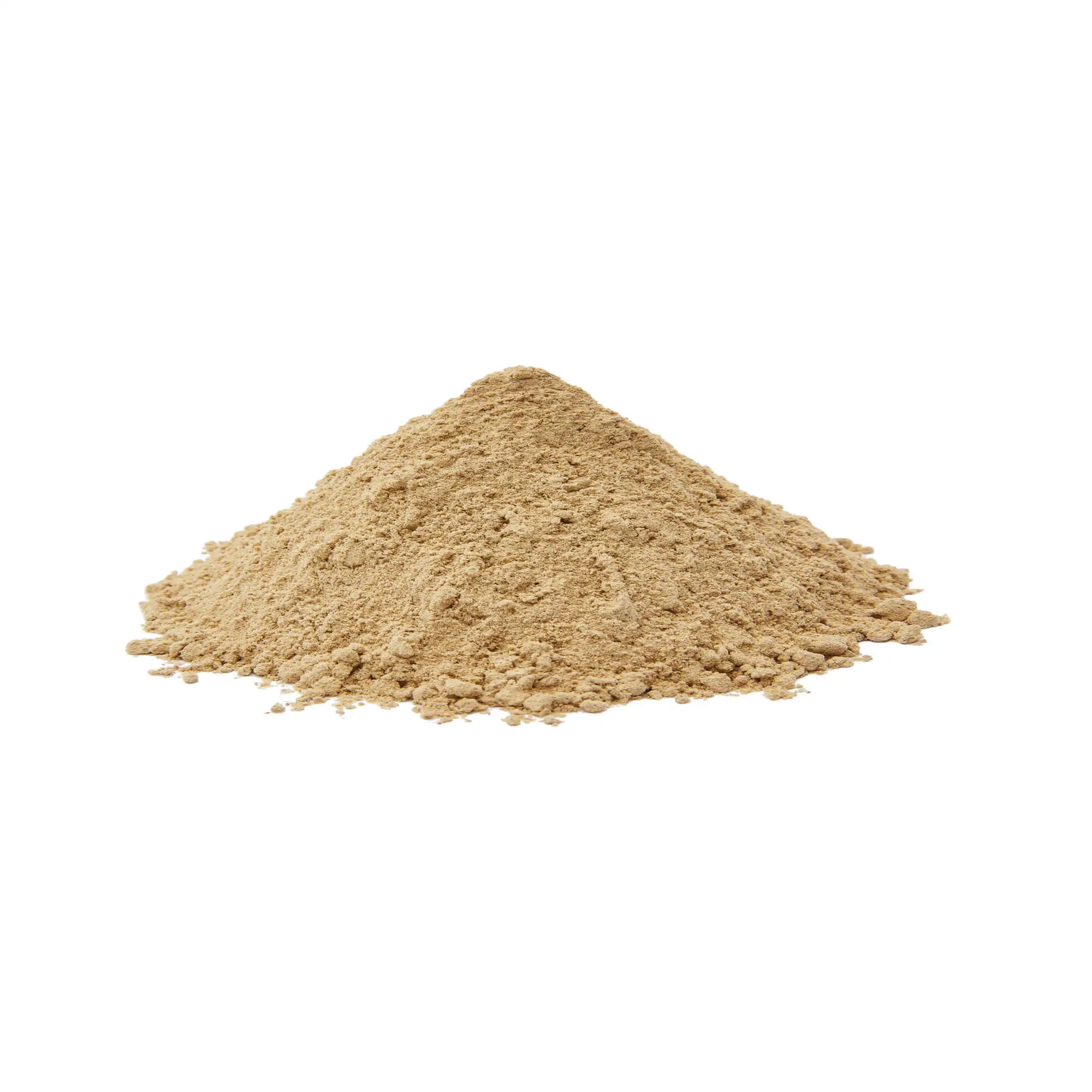
- White to off-white crystalline powder
- Odor
- Characteristic
- Taste
- Slightly bitter
- Moisture Content (%)
- <0.5%
- pH
- 5.0-6.0 (10% solution)
- Synonyms & Trade Names
- L-Lysine monohydrochloride; L-Lysine HCl; Lysine 98.5%
- Total Plate Count (TPC)
- <50,000 CFU/g
- Yeast & Mould
- <500 CFU/g
- E. Coli
- Negative/25g
- Coliform Bacteria
- <100 CFU/g
- Salmonella
- Negative/25g
- Shelf Life
- 24 months
- Packaging Size
- 25 kg
- Packaging Type
- PP woven bag
- Storage Conditions
- Cool, dry place
- Halal Certification
- Available
- Kosher Certification
- Available
- ISO / HACCP
- Yes
- Food Grade / Regulatory Status
- Feed/Food grade
- Crude Protein (%, min)
- ~68%
- Total Volatile Basic Nitrogen (TVN/TVBN, mg/100g)
- Not applicable
- Bulk Density
- ~0.70 g/cm³
- Lysine Content (%, min)
- 78.8% min
- Active Ingredient Assay (%)
- 98.5% min (HCl form); 99% min (monohydrochloride)
- Antioxidant Treatment
- None
- Species of Origin Declaration
- N/A (fermentation)
- EU Feed Additive Authorization No.
- E641
- Aflatoxin B1
- Not applicable
- Heavy Metals — Feed (As, Pb, Hg, Cd)
- Compliant
- Dioxins & PCBs (pg WHO-TEQ/g fat)
- Not applicable
Categories
Technical Document
Brief Overview
Lysine (symbol Lys or K) is an α-amino acid that is a precursor to many proteins. It is an essential amino acid and must be supplied by the animal's diet as it cannot be produced naturally within the body. Lysine is required as a building block for protein synthesis, a deficiency of lysine limits the synthesis of animal immunity-related proteins that include antibodies and cytokines to exert the necessary immune function.
Manufacturing Process
L-lysine is commonly commercially produced as L-lysine monohydrochloride (L-lysine HCl), with purity higher than 98.5 wt.%, which corresponds to 78.8 wt.% of free lysine. The process can be divided into three main parts: fermentation; product recovery; and product concentration, drying and packaging. The fermentation process was prepearing culture media used in the batch and fed-batch phases of fermentation by mixing process water, glucose and nutrients. The fermentation step is performed in fed-batch mode and under aerobic conditions. The fermentation broth is sent to an ultrafiltration system for the removal of cell debris and other suspended solids. The L-lysine eluted from the ion-exchange columns is mixed with mother liquor from the product-filtration step and concentrated by evaporation. The concentrated lysine solution is acidified with hydrochloric acid, and free L-lysine is converted to L-lysine HCl. The L-lysine HCl solution is then sent to the crystallizer, and lysine salt is filtered. The mother liquor is recycled to the evaporator and the wet cake is conveyed to dryers. Final dry L-lysine-HCl (98.5 wt.%) is obtained and sent to a packaging line before being stored in bags.