
Share this product
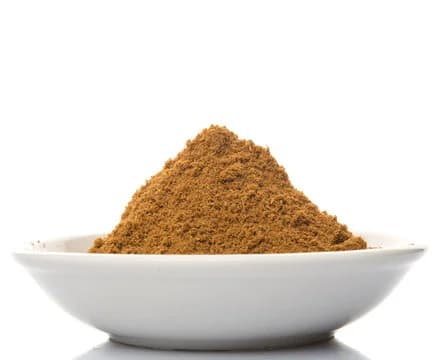
Fish Meal (60%) - Indonesia
- Origin
- Indonesia
- CAS Number
- 97675-81-5
- HS Code
- 2309.90.32
Basic Info
- Physical State
- Solid
- Appearance / Color
- Light brown to dark brown powder / pellets
- Odor
- Characteristic fish
- Moisture Content (%)
- <10%
- Synonyms & Trade Names
- Fish meal 65%; Fish meal 66%; Fish meal 60%; Anchovy fish meal
- Total Plate Count (TPC)
- <500,000 CFU/g
- Yeast & Mould
- <50,000 CFU/g
- E. Coli
- <100 CFU/g
- Coliform Bacteria
- <1,000 CFU/g
- Salmonella
- Negative/25g
- Shelf Life
- 6 months
- Packaging Size
- 50 kg / bulk
- Packaging Type
- PP woven bag / bulk
- Storage Conditions
- Cool, dry; antioxidant treated; pest-free
- Halal Certification
- N/A (fish)
- ISO / HACCP
- Yes
- Food Grade / Regulatory Status
- Feed grade
- Crude Protein (%, min)
- 60-66% min
- Crude Fat / Ether Extract (%, max)
- 6-10%
- Ash Content — Feed (%, max)
- 18% max
- Calcium Content, Ca (%)
- 4.0-5.0%
- Phosphorus Content, P (%)
- 2.5-3.0%
- Salt Content / NaCl (%, max)
- 1.5% max
- Total Volatile Basic Nitrogen (TVN/TVBN, mg/100g)
- <100 mg/100g
- Pepsin Digestibility (%, min)
- 88% min
- Bulk Density
- ~0.55 g/cm³
- Lysine Content (%, min)
- 4.5-5.0%
- Antioxidant Treatment
- Ethoxyquin (natural or chemical antioxidant)
- TSE/BSE Compliance Declaration
- N/A (fish-derived)
- Species of Origin Declaration
- Marine fish (anchovy/menhaden/herring - Peru/Indonesia/Thailand/India)
- Aflatoxin B1
- Not applicable
- Heavy Metals — Feed (As, Pb, Hg, Cd)
- Compliant (Hg <0.1 ppm)
- Dioxins & PCBs (pg WHO-TEQ/g fat)
- Compliant (EU 2023/915)
Categories
Technical Document
Brief Overview
The term "Fish Meal" (FM) refers to any nutrient-rich feed ingredient utilized in cow diets. It is estimated that one ton of fishmeal requires four to five tons of whole fish. The bulk of fish captured are considered industrial fish because they are primarily used for their meat and oil. In the aquafeed and agricultural industries, fishmeal has long been the main source of protein because of its high protein, high mineral and vitamin content, readily digested energy, and excellent source of essential fatty acids (EFAs).
Manufacturing Process
Most fish used in commercial FM is considered inappropriate for direct human eating because it is small, greasy, and bony. The basic step in producing fishmeal is removing the water and oil from the solids, though there are other steps as well.
1. Cooking
The tissue proteins in the fish coagulate as it goes through a screw conveyor cylinder covered in a steam jacket.
2. Pressing
When the fish is cooked through, the liquid is extracted by pressing it. The solid residue that remains is called presscake. In contrast, the fluid is subjected to further processing following centrifugation in order to extract the oil from the dispersed particles in order to produce fish oil. Since the concentrated "stickwater" produced during the liquor treatment process can optionally be reintroduced back into the presscake, customers have the option to purchase either the "whole" meal or just the "presscake" meal.
3. Drying
Going back to the presscake, it is dried some further, either directly or indirectly, until the moisture content is low enough to keep it fresher longer and prevent mold and germs from growing on it.
4. Grinding and packaging
Fishmeal is processed and screened to the proper particle size once it has properly dried. This allows it to be stored in silos or packed into bags and sent to a number of companies across the globe.