
Share this product
Dicalcium Phosphate
- Origin
- China
- CAS Number
- 7757-93-9
- HS Code
- 2835.25.00
Basic Info
- IUPAC Name
- calcium hydrogen phosphate
- Molecular Formula
- CaHPO4
- Molecular Weight (g/mol)
- 136.0600
- Synonyms & Trade Names
- Dicalcium phosphate; DCP; Calcium hydrogen orthophosphate; E341
- Purity / Assay (%)
- 95% min
- Physical Form
- Solid
- Concentration
- Pure substance
- Appearance / Color
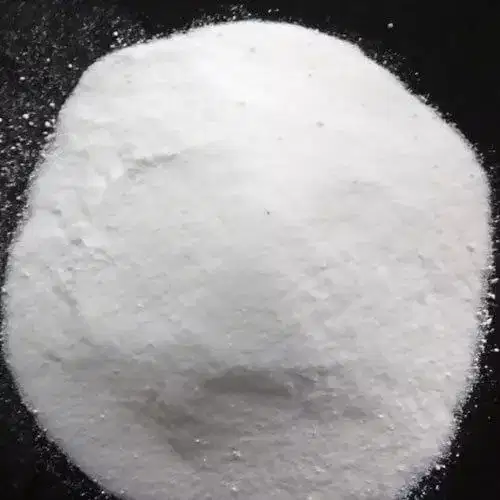
- White to off-white solid
- Odor
- Odorless
- Density (g/cm³)
- 2.8900
- Solubility in Water
- Slightly soluble
- UN Number
- Not applicable
- H-Statements
- None
- P-Statements
- P260
- REACH Status
- Registered
- Drug Precursor Status
- Non-precursor
- Storage Class (GHS)
- 13
- Storage Conditions
- Cool, dry place
Categories
Technical Document
Brief Overview
Dicalcium phosphate is the calcium phosphate with the formula CaHPO4 and its dihydrate. The "di" prefix in the common name arises because the formation of the HPO42– anion involves the removal of two protons from phosphoric acid, H3PO4. It is also known as dibasic calcium phosphate or calcium monohydrogen phosphate. Dicalcium Phosphate is used as a raw material source of phosphorus in the production of feeds and animal nutrition correctors. With this mineral-sourced phosphate in their rations, the needs of high producing animals are covered, improving performance in growth, fertility and conversion indexes.
Manufacturing Process
Animal feed grade phosphates such as mono-calcium phosphate, di-calcium phosphate or mixtures thereof are produced by direct reaction between phosphoric acid and Ca-containing materials. A finely ground, preheated calcium carbonate suspension is brought to react with a suitable quantity of preheated phosphoric acid by introducing the reactants into a tubular reaction zone. The gas formed by the reaction expels or ejects the foaming reaction mixture from the reaction zone. The reaction being substantially completed while the individual particles of the mixture are freely suspended in air or gas, whereafter the reacted mixture is collected in the form of a free-flowing granulate having improved handling properties, without any further quenching treatment of the granules.