Share this product
Ascorbic Acid
- Origin
- China
- CAS Number
- 50-81-7
- HS Code
- 2936.27.00
Basic Info
- IUPAC Name
- (R)-3,4-dihydroxy-5-((S)-1,2-dihydroxyethyl)furan-2(5H)-one
- Molecular Formula
- C6H8O6
- Molecular Weight (g/mol)
- 176.1200
- Synonyms & Trade Names
- L-Ascorbic acid; Vitamin C; E300
- Purity / Assay (%)
- 99% min
- Physical Form
- Solid
- Concentration
- Pure substance
- Appearance / Color
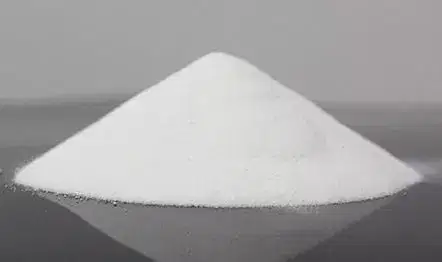
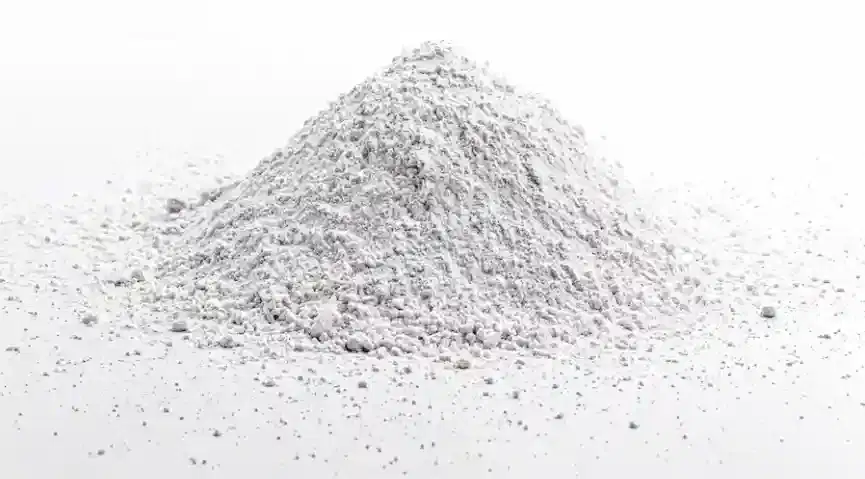
- White to off-white solid
- Odor
- Odorless
- Melting Point (°C)
- 190.0000
- Density (g/cm³)
- 1.6500
- Solubility in Water
- Freely soluble (33g/100mL)
- UN Number
- Not applicable
- H-Statements
- None
- P-Statements
- P260
- REACH Status
- Registered
- Drug Precursor Status
- Non-precursor
- Storage Class (GHS)
- 13
- Storage Conditions
- Cool, dry, dark; avoid moisture and heat
Categories
Technical Document
Brief Overview Ascorbic acid is an organic compound, famously known for its rich antioxidant properties. Common people name it simply as vitamin C but it was originally called as L-hexuronic acid. Later research initated the suggestion to rename L-hexuronic acid from a- (meaning "no") and scorbutus (scurvy), the disease caused by a deficiency of vitamin C. It dissolves well in water to give mildly acidic solutions. As a glucose derivative, many animals are able to produce it, but humans require it as part of their nutrition. Unfortunately, other vertebrates lacking the ability to produce ascorbic acid include other primates, guinea pigs, teleost fishes, bats, and some birds. There exists a D-ascorbic acid, which does not occur in nature but it may be synthesized artificially. It has identical antioxidant properties to L-ascorbic acid yet has far less vitamin C activity (although not quite zero). This fact is taken as evidence that the antioxidant properties of ascorbic acid are only a small part of its effective vitamin activity. To be specific, L-ascorbate is known to participate in many specific enzyme reactions that require the correct epimer (L-ascorbate and not D-ascorbate).
Manufacturing Process Ascorbic acid is mainly produced through the Reichstein-Grüssner process, invented in 1933 until recent years. Nowadays, D-sorbital is typically converted to ascorbic acid through 2-keto-L-gluonic acid (SKGA) as the key intermediate via a bio-oxidation process involving Gluconobacter oxydans and several chemical steps.