

Xanthan gum price trends have turned upward again in 2026 as fermentation feedstock costs put renewed pressure on production economics. Recent market reporting shows that corn costs have become an important driver, while food demand, industrial consumption and regional supply conditions determine how much of that cost reaches buyers.
For procurement teams, the key issue is not simply whether xanthan gum becomes more expensive. The bigger challenge is understanding why prices move, which signals appear first and how quickly producers pass higher costs into commercial offers.
Because xanthan gum relies on carbohydrate feedstocks for fermentation, agricultural markets can influence an ingredient that many buyers may otherwise treat as a specialty additive. This creates a useful forecasting opportunity for importers, exporters and food ingredient traders.
How Fermentation Feedstock Drives Xanthan Gum Costs
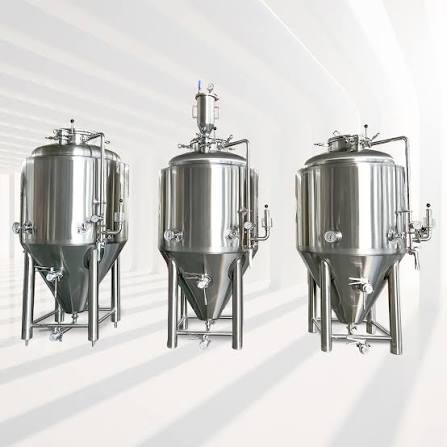
Xanthan gum is produced through aerobic fermentation using Xanthomonas campestris. Producers typically use carbohydrate substrates such as corn-derived glucose or other sugar sources before recovering, drying and milling the fermented material.
That production model creates a direct link between agricultural feedstock markets and xanthan gum manufacturing costs. When corn or glucose becomes more expensive, producers face higher input costs even if demand for xanthan gum remains unchanged.
The relationship does not operate in isolation. Manufacturers also consider energy, labor, fermentation efficiency, drying costs and plant utilization when setting offers.
For buyers, this means a useful cost-monitoring framework should begin upstream rather than at the finished-product quotation.
Corn Prices Are Becoming an Important Early Warning Signal
Corn can influence xanthan gum economics because producers use carbohydrate-derived feedstocks during fermentation. When corn prices rise, the resulting increase in glucose or related feedstock costs can put pressure on fermentation margins.
Recent 2026 market reporting shows this relationship clearly. Xanthan gum prices moved higher in the first half of the year as corn feedstock costs increased, although other market assessments reported regional differences depending on supply and demand conditions.
The difference between markets is important. A higher raw-material cost does not always translate into an identical increase in the finished ingredient because producers may absorb part of the increase, improve operating efficiency or compete more aggressively for orders.
Procurement teams should therefore monitor direction and persistence, rather than reacting to a single agricultural price movement.
Useful indicators include:
Corn futures and domestic corn prices in major producing regions.
Glucose and other carbohydrate feedstock quotations.
Agricultural production forecasts and weather developments.
Feedstock inventories and regional availability.
Energy prices affecting fermentation and drying operations.
Why Xanthan Gum Prices Can Move Differently by Region
Global xanthan gum buyers do not face one universal market price. Regional quotations reflect production location, freight, tariffs, currency movements, distributor margins and local demand.
China remains an important production and export base, which gives Chinese feedstock economics a significant influence on international pricing. At the same time, buyers in import-dependent markets can face additional logistics costs that widen the gap between factory and delivered prices.
Recent market data illustrates this variation. One 2026 assessment placed July prices around USD 2,636 per metric ton on a China FOB basis and around USD 2,743 per metric ton for India on a CIF basis, while US and Canadian FOB indications were higher.
These figures should not be treated as interchangeable quotations. Different Incoterms, grades, specifications and shipment conditions can materially change the commercial comparison.
For procurement teams, the more useful exercise is to establish a consistent benchmark based on the exact product grade and delivery basis required.
Food Demand Can Amplify Feedstock Cost Pressure
Feedstock costs provide the initial cost signal, but downstream demand determines how easily producers can pass those costs to customers.
Xanthan gum serves food applications such as sauces, dressings, dairy products, bakery preparations and processed foods. It also has industrial applications, including oilfield drilling fluids, creating demand from multiple sectors.
When food demand remains resilient while feedstock costs rise, producers have greater ability to maintain or increase offers. If demand weakens at the same time that feedstock costs fall, buyers may gain more negotiating leverage.
This creates four broad market situations:
Higher feedstock, higher demand: Strongest upward pressure on prices.
Higher feedstock, weaker demand: Producers may absorb part of the cost increase.
Lower feedstock, stronger demand: Supply tightness can prevent prices from falling quickly.
Lower feedstock, weaker demand: Greater potential for discounts and inventory-driven competition.
Procurement teams can use this framework to interpret market signals rather than relying on raw-material prices alone.
Energy and Drying Costs Add Another Layer
Fermentation is only one part of xanthan gum production. After fermentation, manufacturers must recover and process the polymer, with precipitation, drying and milling forming part of the downstream manufacturing sequence.
Energy costs can therefore influence the final production economics. A rise in electricity, natural gas or other energy inputs can affect drying and processing costs even when carbohydrate prices remain stable.
This is particularly relevant when buyers compare suppliers from different production regions. A producer with lower feedstock costs may still face higher energy, labor or logistics expenses.
Procurement teams should therefore avoid assuming that the lowest agricultural input cost automatically produces the lowest xanthan gum quotation.
Capacity Utilization Can Change the Price Response
Production capacity provides another important link between feedstock costs and finished-product pricing. When fermentation plants operate at high utilization, producers may have less flexibility to absorb rising input costs.
Conversely, when plants have excess capacity and demand remains moderate, suppliers may compete aggressively even if feedstock costs are increasing.
Recent market assessments have described different conditions across 2026. One source reported firming prices associated with higher feedstock costs and stable demand, while another reported periods of sufficient supply and weaker demand in China that limited price pressure.
This divergence reinforces a central procurement lesson: feedstock is a major driver, not a standalone price formula.
Buyers should combine feedstock monitoring with supplier capacity information, inventory levels and order activity.
Trade Policy Can Widen Regional Price Gaps
International trade measures can create additional differences between production-market pricing and delivered costs. Buyers sourcing from major export regions need to account for applicable duties, tariffs and trade restrictions when building procurement forecasts.
The US market, for example, has faced longstanding antidumping measures affecting Chinese-origin xanthan gum. This can create a meaningful difference between Chinese export prices and the cost faced by US buyers.
For importers, this means that an attractive FOB quotation does not necessarily translate into an attractive landed cost.
A complete procurement model should include:
Product price at the supplier's stated Incoterm.
Applicable duties and trade measures.
Ocean or inland freight.
Insurance and port charges.
Currency movements.
Local warehousing and handling.
Financing and inventory costs.
This approach helps procurement managers compare origins on a true delivered-cost basis.
Why Contract Timing Matters for Buyers
Xanthan gum buyers can reduce exposure to sudden cost swings by linking purchasing decisions to market indicators. The objective is not to predict the exact market bottom or top.
Instead, procurement teams can establish trigger points for contract reviews. A sustained rise in corn prices combined with stronger supplier utilization may justify earlier negotiations, while falling feedstock costs and abundant inventory may support shorter commitments.
A flexible purchasing structure can include:
Base contracts: Cover predictable consumption through established suppliers.
Shorter-term purchases: Preserve flexibility when market direction remains uncertain.
Alternative suppliers: Maintain qualified sources to strengthen negotiating leverage.
Inventory buffers: Adjust stock levels when lead times or price volatility increase.
Regular market reviews: Reassess feedstock and supply conditions before major contract renewals.
This strategy avoids making the entire annual requirement dependent on one market snapshot.
Supplier Diversification Can Protect Against Cost Surprises
Supplier diversification provides procurement teams with more than backup capacity. It also creates a broader view of market pricing.
Comparing quotations from different origins can reveal whether a price increase reflects global feedstock pressure or a supplier-specific issue. Differences in inventory, production utilization and freight exposure can create substantial variation between offers.
However, diversification should start with technical qualification. Xanthan gum grades can differ in viscosity, purity and functional performance, so switching suppliers without proper testing can create formulation problems.
Procurement teams should maintain approved alternatives before a disruption occurs. A supplier that is qualified only after prices spike is not a true contingency source.
How Traders Can Add Value in a Volatile Xanthan Gum Market
Market volatility creates opportunities for traders that can provide more than a product quotation. Buyers need timely information about origins, available volumes, specifications and shipment conditions.
A capable trading partner can help procurement teams compare multiple sources and identify the commercial implications of changing feedstock costs. This can be especially valuable for buyers that do not have direct relationships with manufacturers in major production markets.
Traders can also support smaller and medium-sized buyers that may lack the volume required for direct producer contracts. Consolidating supplier access and logistics can help these companies participate more effectively in international xanthan gum procurement.
Clear commercial information remains essential. Buyers should receive the grade, specification, origin, available quantity, Incoterm, validity period and expected lead time alongside the price.
Building a Better Xanthan Gum Forecast
Procurement teams can improve forecasting by creating a simple upstream-to-downstream monitoring system.
The first layer tracks corn and carbohydrate feedstock markets. The second monitors producer capacity, operating rates and inventories. The third evaluates food, beverage and industrial demand.
The final layer considers freight, currency and trade policy.
This produces a more useful purchasing signal than historical xanthan gum prices alone. It also allows buyers to distinguish temporary market noise from a sustained change in production economics.
A practical monthly review can ask:
Are corn and glucose costs rising or falling?
Are suppliers passing those changes through?
Is production capacity tight or readily available?
Are food and industrial orders strengthening?
Are inventories increasing or declining?
Have freight or trade costs changed?
Are alternative origins becoming more competitive?
Answering these questions consistently can improve contract timing and reduce reactive procurement.
What Procurement Teams Should Expect Through 2026
The xanthan gum market is likely to remain sensitive to fermentation feedstock conditions through the remainder of 2026. One current market assessment expects global prices to remain elevated, with corn feedstock costs and stable food and beverage demand providing support, while other data indicates that adequate supply can limit price increases in some regions.
This mixed picture means buyers should prepare for regional divergence rather than assume a single global trend.
A sudden improvement in corn availability could ease production costs, but strong downstream demand or constrained fermentation capacity could delay the impact. Conversely, another agricultural supply shock could push producer costs higher faster than procurement contracts anticipate.
The most resilient purchasing strategy therefore combines market monitoring with supplier flexibility.
The Bottom Line for Xanthan Gum Buyers
Xanthan gum price swings reflect a chain of interconnected costs. Corn and glucose feedstocks influence fermentation economics, energy affects processing and drying, capacity utilization shapes producer pricing power, while food, beverage and industrial demand determines how easily higher costs reach the buyer.
For procurement teams, the strongest approach is to monitor the market upstream and establish purchasing triggers before volatility becomes visible in supplier quotations. Comparing multiple origins, qualifying alternative suppliers and calculating landed cost can provide additional protection against unexpected increases.
For importers and traders, the opportunity lies in connecting buyers with reliable supply while providing transparent information about specifications, availability and commercial terms. As fermentation feedstock markets continue to influence xanthan gum economics, procurement teams that understand the cost chain can negotiate with greater confidence and plan purchases more effectively.
Xanthan Gum (E415) CAS: 11138-66-2


