-
Introduction: Why Salt Matters in Feed
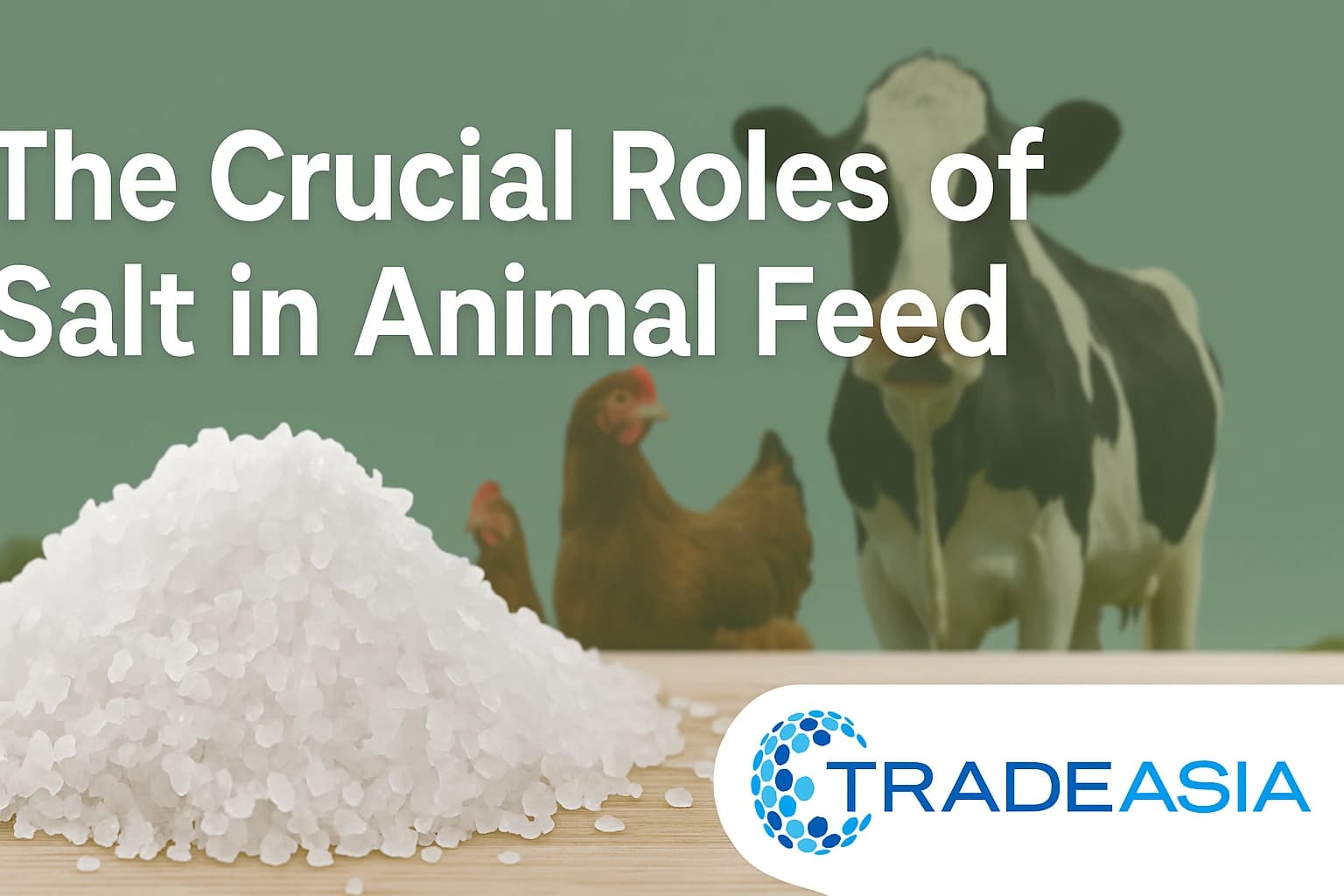
Salt, primarily composed of sodium chloride (NaCl), is more than just a basic mineral in animal diets—it is a nutritional cornerstone. It supports neurological signaling, muscle contractions, and maintains water balance, making it essential for all livestock species. According to the Weird Science, Accessed by 2025, salt is required in all diets to meet sodium and chloride needs.
-
Electrolyte Balance and Metabolic Regulation
Sodium and chloride are crucial electrolytes that regulate osmotic pressure, pH balance, and nutrient absorption in livestock. Sodium helps in glucose transport and amino acid uptake in the intestines, which directly influences weight gain and feed conversion ratios.
Chloride, on the other hand, aids in hydrochloric acid (HCl) production in the stomach—essential for digestion. Research published in the Journal of Animal Science confirms the link between sodium intake and metabolic efficiency in ruminants. Explore Salt Feed Grade Products.
-
Improved Feed Palatability and Intake
Salt enhances the taste and aroma of feed, leading to increased voluntary intake. This is especially crucial in high-producing dairy cattle and poultry where nutrient demand is elevated.
Field studies conducted by feed producers, including those summarized in Animal Feed Science and Technology, show that salt inclusion can increase dry matter intake by up to 12% in dairy cows. This directly translates to better energy and protein utilization.
See related product: Soybean Meal GMO - United States
Salt for Reproductive Health and Milk Production
Adequate salt supports ovarian function, sperm motility, and hormone regulation in breeding animals. Sodium deficiency is associated with delayed estrus in cows and reduced fertility in poultry. Furthermore, lactating animals lose sodium in milk—making supplementation vital for milk yield and animal welfare.
As shown in a study from Veterinary and Animal Science Journal, strategic supplementation of salt in transition cows led to a 7–10% increase in milk yield during early lactation.
View: Fish Meal 60% Indonesia
-
Recommended Salt Inclusion Levels
The recommended dietary inclusion rates vary:
-
Poultry: 0.15–0.25% of diet
-
Dairy cows: 0.5–1% of total dry matter
-
Beef cattle: up to 100g/day/head
-
Aquaculture feed: up to 3% depending on species
The American Feed Industry Association recommends adjusting sodium levels based on climate, breed, and productivity.
-
Risks of Salt Deficiency and Toxicity
Salt deficiency can result in:
-
Weight loss
-
Lethargy
-
Decreased egg production
-
Pica (eating non-food items)
Meanwhile, excess salt, especially without adequate water, may cause dehydration or sodium toxicity. A balance is essential—hence quality sourcing is crucial.
-
Trusted Source of Salt for Feed: Tradeasia
Feed Ingredients Asia supplies high-quality salt feed grade from verified origins including Turkey, China, and India. With complete documentation, lab analysis (COA), and containerized bulk options, we cater to:
-
Poultry feed manufacturers
-
Dairy integrators
-
Aquaculture feed companies
-
Conclusion
Salt is more than a minor feed additive—it is a cornerstone of animal health and productivity. From metabolic regulation to feed palatability and reproductive support, its benefits are scientifically backed and globally accepted.
At Feedingredients Asia, we deliver reliable, high-purity salt with global reach. Whether you're formulating poultry feed in Vietnam or managing aquaculture in Indonesia, we ensure quality and compliance at every step.
Contact us today to request a sample, get a custom quote, or speak with a nutrition advisor