
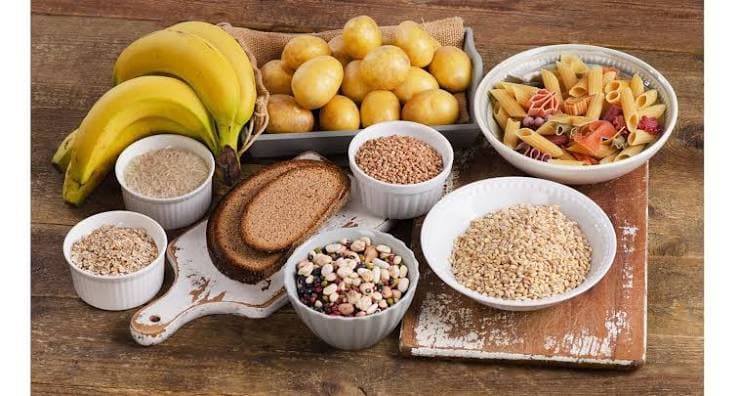
The starch market is increasingly being influenced by a shift in how food manufacturers think about carbohydrates.
For decades, starch procurement was primarily associated with texture, viscosity, binding, thickening and processing performance. In 2026, those requirements remain important, but formulators are increasingly asking a second question: Can the starch ingredient also help deliver a nutritional benefit?
That is creating a stronger role for resistant starch.
Unlike conventional starches that are readily digested in the small intestine, resistant starch passes through the small intestine largely undigested and behaves more like dietary fiber. This makes it attractive for manufacturers trying to increase fiber content, reduce rapidly digestible carbohydrates and develop products positioned around digestive and metabolic wellness.
Recent market research estimates the global resistant-starch market at approximately $1.6 billion in 2026, with an estimated 8.8% CAGR through 2032. While market estimates vary by methodology, the direction is clear: resistant starch is moving from a specialist ingredient category toward a broader food-formulation opportunity.
Why Resistant Starch Is Becoming More Important to Food Formulators
The strongest driver is the simultaneous pressure to deliver several nutritional improvements without sacrificing product quality.
Food manufacturers are increasingly working on formulations that offer:
higher dietary fiber;
lower sugar;
lower digestible carbohydrate;
improved nutritional positioning;
better satiety-oriented profiles;
and cleaner consumer-facing formulations.
The problem is that conventional fiber enrichment can create formulation problems.
High levels of some fibers can make bakery products dry, dense or gritty. Protein enrichment can similarly affect texture. Sugar reduction can change moisture retention, browning and softness.
Resistant starch offers a different proposition because it can function as a starch during processing while contributing fiber-like nutritional characteristics after consumption. This ability to occupy the middle ground between functional carbohydrate and dietary fiber is one of the main reasons it is attracting formulators.
The Procurement Shift: Starch Is Becoming a Nutrition Ingredient
This trend changes the procurement conversation.
A conventional starch buyer may prioritize:
viscosity;
gelatinization temperature;
moisture;
particle size;
stability;
whiteness;
cost;
and supply reliability.
A buyer sourcing resistant starch increasingly needs to evaluate those specifications alongside:
resistant-starch content;
total dietary-fiber contribution;
digestibility;
processing tolerance;
sensory impact;
labeling eligibility;
source material;
and application-specific performance.
That creates a much more sophisticated procurement decision.
The cheapest starch is no longer necessarily the most economical ingredient if a higher-value resistant starch allows a manufacturer to achieve multiple nutritional and formulation objectives with one ingredient.
Ranking the Main Resistant-Starch Sources for Procurement
Rank | Resistant starch source | Procurement attractiveness | Key advantage |
|---|---|---|---|
1 | High-amylose maize | Very High | Strong fiber functionality and established commercial applications |
2 | Resistant wheat starch | High | Neutral sensory profile and bakery/pasta applications |
3 | Resistant tapioca starch | High | Useful texture and formulation flexibility |
4 | Resistant potato starch | High | High fiber concentration and specialized nutrition applications |
5 | Green banana / fruit-derived starch | Emerging | Natural-source positioning and consumer-friendly story |
Commercial resistant-starch offerings already span high-amylose maize, resistant tapioca, resistant rice and modified potato starch, demonstrating that procurement teams increasingly have multiple technical routes rather than one universal ingredient solution.
High-Amylose Maize: The Established Procurement Benchmark
High-amylose maize starch remains one of the most established routes for resistant-starch formulation.
Its importance comes from the ability to deliver resistant-starch functionality while fitting into familiar cereal-based food systems.
For manufacturers, that can make it attractive for:
bakery;
cereals;
nutrition bars;
snacks;
pasta;
and other carbohydrate-containing foods.
The procurement advantage is familiarity.
Manufacturers do not necessarily need to redesign their entire ingredient system around an unfamiliar raw material. Instead, resistant starch can be incorporated into existing formulation strategies where processing conditions allow.
This makes high-amylose maize a useful benchmark against which newer resistant-starch technologies can be evaluated.
Resistant Wheat Starch: The Bakery and Pasta Opportunity
Wheat-based resistant starch has particular relevance for manufacturers targeting bakery and grain-based foods.
Its neutral sensory characteristics can help address one of the biggest challenges of fiber fortification: maintaining consumer acceptance.
The commercial market already includes resistant wheat starch designed for applications such as pasta, refrigerated dough, cookies and sauces.
For procurement teams, this means the key question is not simply:
“How much resistant starch can we add?”
It is:
“How much nutritional functionality can we add without forcing a major sensory or processing compromise?”
That is a much more commercially relevant formulation metric.
Resistant Potato and Tapioca Starches Expand the Ingredient Toolbox
Potato- and tapioca-based resistant starches offer another procurement route for manufacturers that need specific formulation characteristics.
Modified potato resistant starch can provide concentrated fiber for applications where low-carbohydrate or gluten-free positioning is important, while resistant tapioca starch can provide an alternative botanical source for formulations where wheat or maize may not be preferred.
This diversification matters because ingredient buyers increasingly need to manage both nutrition specifications and supply-chain risk.
A formulation dependent on one botanical source can become vulnerable to crop shortages, weather events, freight disruptions or commodity-price volatility.
Multiple resistant-starch sources give manufacturers greater flexibility.
The Biggest Technical Challenge: Fiber on Paper vs Product Performance
The strongest argument for resistant starch is also accompanied by an important formulation warning.
Increasing resistant starch does not automatically mean producing a better food product.
A June 2026 study of resistant-starch-enriched bread found that resistant-starch formulations increased fiber content substantially, but also reduced specific volume by 32–42% and increased hardness by as much as 475% in some formulations.
This is a critical procurement lesson.
An ingredient can perform exceptionally well nutritionally but poorly commercially if it compromises:
softness;
volume;
chewiness;
appearance;
shelf life;
or consumer acceptance.
Therefore, the next generation of starch procurement is likely to become more application-specific.
Buyers will increasingly ask suppliers to demonstrate nutrition + functionality + sensory performance, rather than simply provide a fiber percentage.
Even Fiber Classification Can Depend on the Test Method
The same 2026 bread study highlighted another issue that procurement and regulatory teams should not overlook.
All tested resistant-starch formulations qualified as “high in fibre” under AOAC 991.43, delivering approximately 17–31.5% of daily fiber intake per 50 g serving versus 4.6% for the white control.
However, when AOAC 2017.16 was applied, only RS-II and RS-III met the “high in fibre” classification, while RS-IV formulations qualified as a “source of fibre.”
This creates a major commercial implication.
The nutritional specification purchased by the manufacturer is not necessarily identical to the fiber claim that can appear on the final package.
Procurement, R&D, quality and regulatory teams therefore need to align before approving an ingredient.
Resistant Starch Is Also Being Evaluated for Glycemic Response
The interest in resistant starch extends beyond fiber claims.
The 2026 bread study found reduced sugar release from resistant-starch formulations, with RS-IV producing the largest reduction in the tested formulations and approximately 32% lower maltose release than the control.
A separate August 2026 review of cereal dietary fibers also reported that resistant starch and other cereal-derived fiber components consistently improved postprandial glucose and insulin responses in the reviewed evidence, although effects on several longer-term metabolic markers were more limited.
This supports growing interest in resistant starch for products positioned around:
metabolic wellness;
lower-digestibility carbohydrates;
balanced carbohydrate formulations;
digestive health;
and functional nutrition.
However, ingredient suppliers and manufacturers should distinguish between research findings and permitted consumer health claims, which vary by jurisdiction and regulatory framework.
GLP-1 and Metabolic-Wellness Reformulation Could Expand the Opportunity
One of the most commercially interesting developments is the overlap between resistant starch and the broader metabolic-health food trend.
As consumers become more interested in satiety, blood-glucose management and higher-fiber diets, manufacturers are exploring ways to reformulate conventional foods without turning them into overtly medicinal products.
That creates an opportunity for “invisible” nutrition.
Instead of launching a product that looks radically different, manufacturers can potentially modify familiar foods such as:
bread;
pasta;
cereal;
snacks;
dairy products;
nutrition bars;
and beverages.
Market research in 2026 identifies gut health, glycemic management and “invisible” fiber fortification as important drivers of resistant-starch adoption.
Procurement Is Moving From Commodity Price to Functional Cost
The most important purchasing change may be the shift from price per kilogram to functional cost per nutritional outcome.
Consider two ingredients:
Procurement metric | Conventional starch | Resistant starch |
Basic carbohydrate functionality | High | High |
Fiber contribution | Low | High |
Digestibility modification | Low | Higher |
Nutrition positioning | Limited | Stronger |
Formulation complexity | Lower | Higher |
Sensory risk | Lower | Application-dependent |
Regulatory evaluation | Standard | More complex |
Potential product differentiation | Limited | Higher |
A resistant starch may have a higher purchase price but still provide greater commercial value if it replaces multiple functional ingredients or allows a manufacturer to reach a higher-value nutrition claim.
That is why procurement teams should increasingly evaluate cost per functional benefit, rather than ingredient price alone.
Supply Chain Resilience Will Become More Important
Resistant starch also introduces a strategic sourcing question.
The ingredient can be derived from different agricultural sources, including maize, wheat, potato, tapioca, rice and other botanical materials.
That creates sourcing flexibility, but it also exposes buyers to different agricultural and geopolitical risks.
A maize-based resistant starch may have a different cost structure from potato or tapioca-based material.
Weather conditions, crop yields, energy prices, freight costs and regional processing capacity can therefore influence the delivered cost of resistant starch.
For large food manufacturers, supplier diversification could become as important as formulation performance.
Pakistan and Emerging Markets Could See a Different Procurement Dynamic
The trend is particularly relevant to markets where staple foods represent a major share of daily carbohydrate consumption.
Pakistan's government has been expanding its focus on food fortification and nutrition interventions in 2026, including efforts to improve access to fortified staple foods and address micronutrient deficiencies.
Resistant starch is not a substitute for micronutrient fortification, but the broader policy direction is relevant.
It suggests that food manufacturers and ingredient suppliers operating in emerging markets may increasingly need to think about nutrition-enhanced staples, not only premium supplements.
Potential applications include:
fortified flour;
bakery products;
noodles;
snack foods;
breakfast products;
nutrition bars;
and functional beverages.
The commercial opportunity will depend heavily on local regulatory definitions, consumer purchasing power and ingredient economics.
The Supplier Selection Criteria Are Changing
A resistant-starch supplier competing in 2026 is increasingly expected to provide more than a specification sheet.
Procurement teams are likely to evaluate suppliers on:
1. Resistant-starch concentration
The actual functional content matters more than simply labeling an ingredient as “resistant starch.”
2. Processing stability
Baking, extrusion, cooking and refrigeration can affect starch structure and nutritional performance.
3. Sensory impact
Color, taste, mouthfeel and texture can determine whether a formulation reaches commercial scale.
4. Regulatory documentation
Fiber classification and permitted claims may depend on testing methodology and jurisdiction.
5. Supply consistency
Batch-to-batch performance matters when resistant starch is being used to achieve nutritional specifications.
6. Application support
Suppliers that can provide formulation trials and technical assistance may have an advantage over commodity-style ingredient sellers.
Ranking Resistant Starch Procurement Priorities
Procurement priority | Importance in 2026 |
Functional fiber performance | 10/10 |
Processing stability | 9.5/10 |
Sensory neutrality | 9.5/10 |
Regulatory documentation | 9/10 |
Supply reliability | 9/10 |
Price competitiveness | 8.5/10 |
Botanical-source flexibility | 8/10 |
Sustainability credentials | 7.5/10 |
The ranking shows a broader shift occurring throughout functional ingredients.
Price remains important, but price alone is increasingly insufficient.
What This Means for Starch Suppliers
Suppliers should position resistant starch as a formulation solution, not simply a specialty starch.
The strongest commercial proposition is likely to combine:
fiber enrichment + processing performance + neutral sensory profile + application support.
A supplier that can demonstrate all four has a stronger position than one competing only on resistant-starch percentage.
This also opens opportunities for application-specific grades.
A bakery manufacturer may want softness and volume retention.
A pasta producer may prioritize cooking performance.
A beverage manufacturer may require suspension stability.
A nutrition-bar producer may prioritize fiber concentration and texture.
The future resistant-starch market is therefore likely to become increasingly segmented by application.
What Food Manufacturers Should Watch Next
The next stage of adoption will depend on three factors.
First: Consumer Acceptance
Consumers ultimately determine whether fiber-fortified products succeed.
If resistant starch improves nutritional value but makes bread harder or snacks less enjoyable, adoption will remain limited.
Second: Regulatory Clarity
Different testing methods can produce different fiber classifications, making regulatory alignment critical.
Third: Ingredient Economics
Manufacturers need resistant starch to become cost-effective at industrial scale.
The strongest opportunity will exist where one ingredient can simultaneously deliver nutritional functionality, carbohydrate reformulation and acceptable product quality.
The Bigger Intelligence Signal: Starch Is Becoming a Functional-Nutrition Platform
The resistant-starch trend reflects a broader transformation in ingredient procurement.
Starch is no longer being evaluated purely as a processing material.
It is increasingly becoming part of the product's nutritional architecture.
That changes the competitive landscape for suppliers.
Traditional starch producers can compete on volume and price.
Specialty ingredient suppliers can compete on functionality.
The strongest suppliers may increasingly compete on data, formulation expertise and application outcomes.
This is particularly important as manufacturers attempt to reformulate familiar foods around higher fiber and metabolic-wellness trends without sacrificing taste and texture.
The Intelligence Takeaway
Resistant starch is moving from a niche functional ingredient toward a more strategic category in fiber-fortified food formulation.
The opportunity is being driven by the convergence of digestive-health interest, metabolic-wellness positioning, sugar reduction and demand for higher-fiber foods.
But the 2026 evidence also highlights the central procurement challenge: nutritional performance must be balanced against processing and sensory performance.
The most valuable resistant-starch suppliers will therefore not necessarily be those offering the highest fiber concentration.
They will be those capable of delivering:
high functional fiber + stable processing + acceptable texture + regulatory support + reliable supply.
For food manufacturers, the procurement question is shifting from:
“Which starch is cheapest?”
to:
“Which starch delivers the best nutritional and formulation value per kilogram?”
Tapioca Starch CAS: 9057-07-02