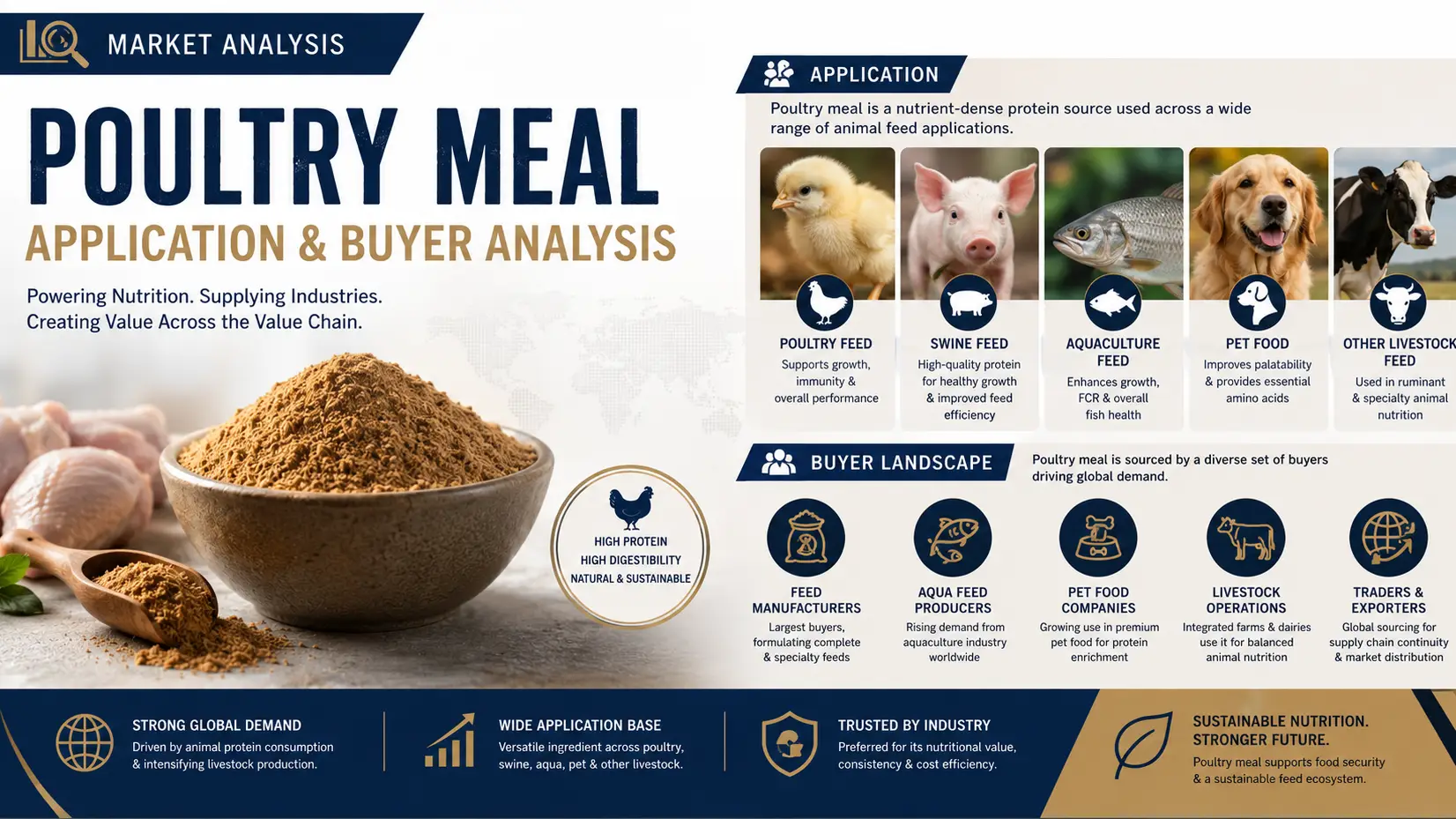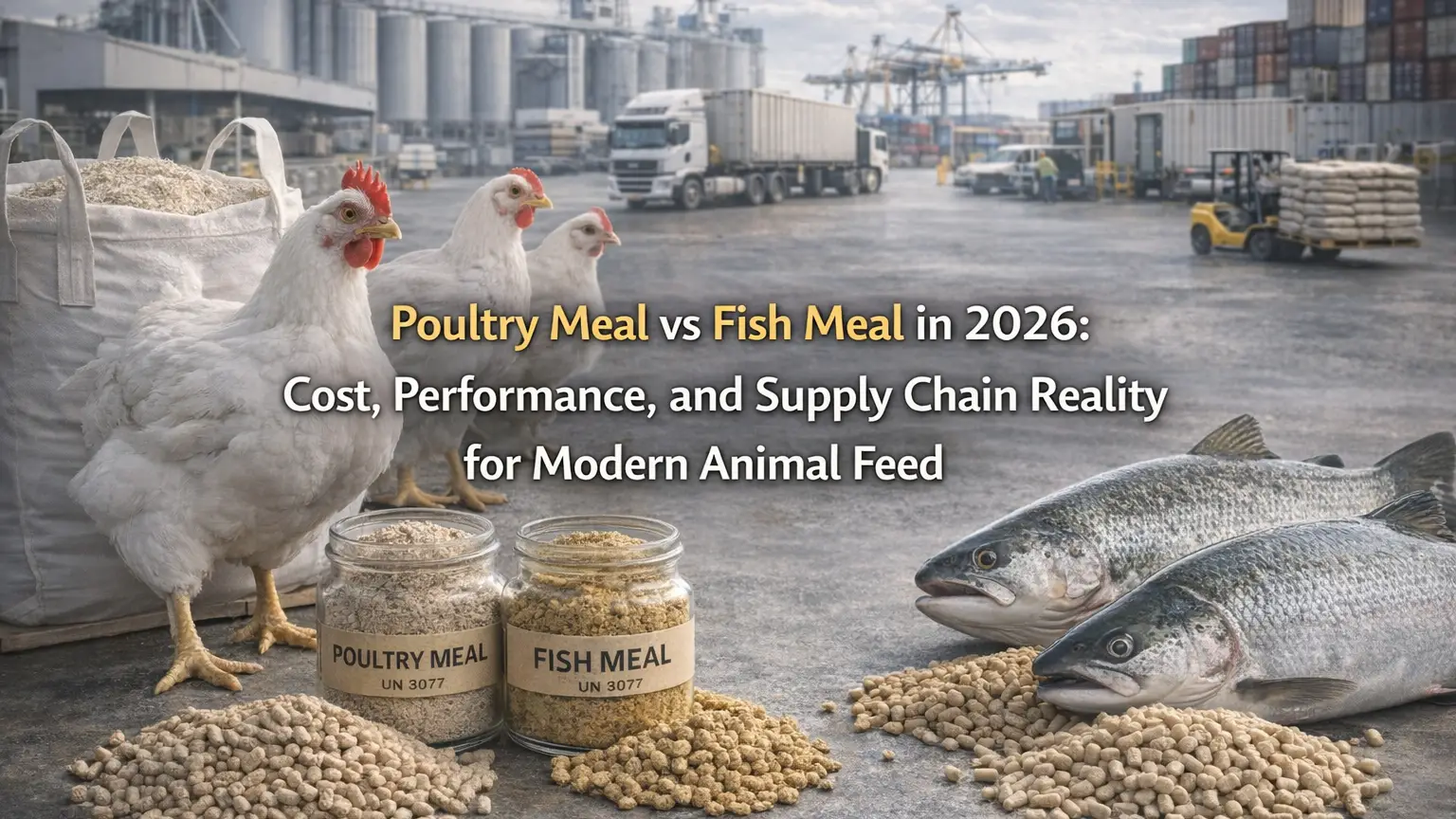
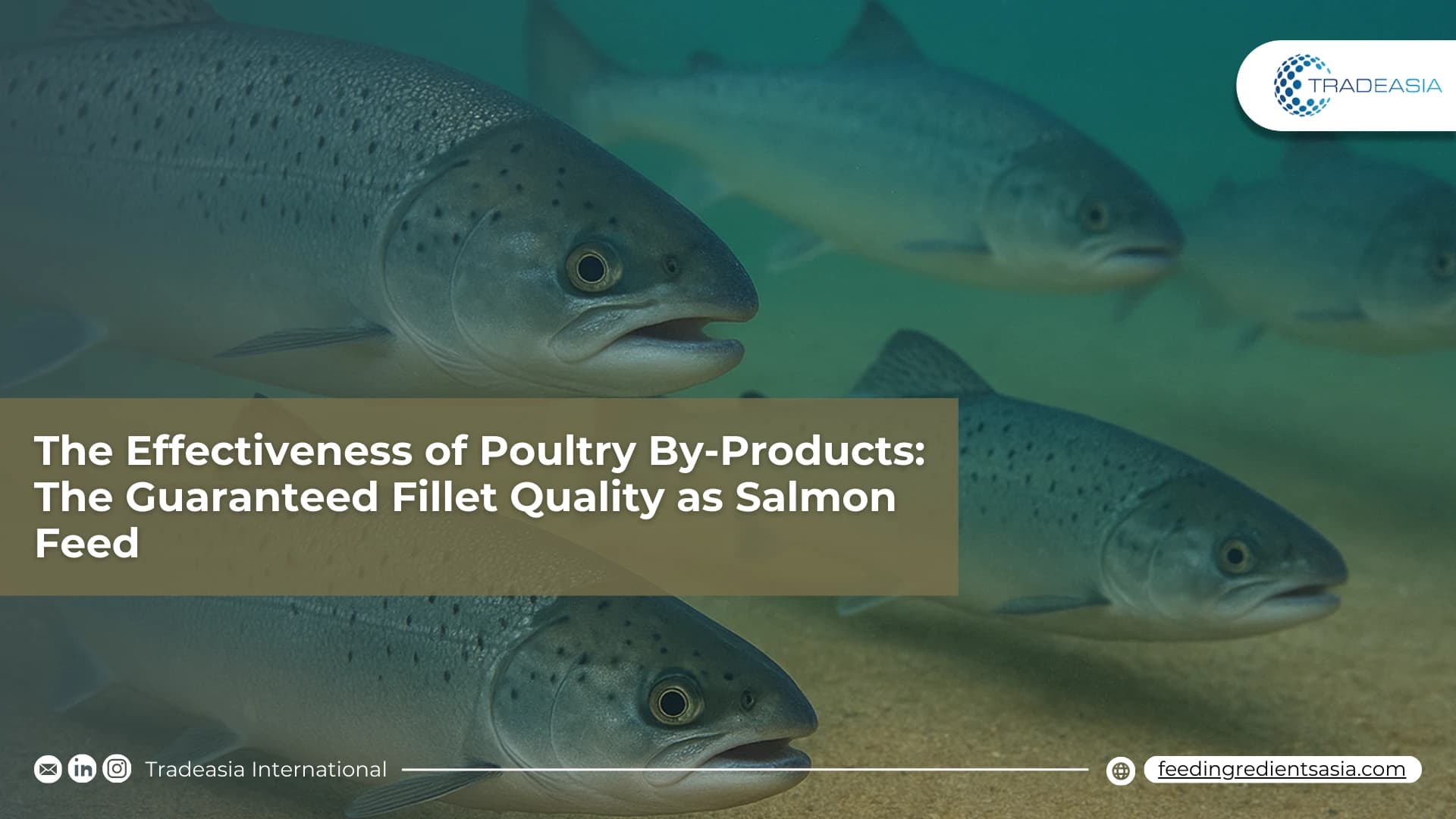
Researchers from the Norwegian University of Life Sciences and the Norwegian Veterinary Institute have found that poultry by-product meal—a protein-rich feed ingredient derived from non-edible chicken parts like bones, skin, and internal organs—can partially substitute traditional protein sources in salmon feed without negatively affecting performance.
The 11-month study was conducted at a commercial facility in Nordfjord, western Norway, involving 435,000 Atlantic salmon (Salmo salar) spread across nine marine pens. They tested three diets: a standard control and two experimental diets where poultry by-product meal replaced 5% and 10% of the crude protein.
Results showed no significant differences between salmon fed the poultry-inclusive diets and those on the control diet regarding growth, survival, feed efficiency, gut health, or fillet quality including firmness, color, and fatty acid profile.
By the trial’s end, the fish grew from an average weight of 482 grams to 5.9 kilograms, with 83% rated as “superior” according to industry standards. The poultry meal complied with EU feed regulations (Category 3) and was heat-treated to ensure safety.
All groups exhibited positive welfare outcomes. Notably, salmon on the 5% poultry diet displayed a better condition factor, while those on the 10% diet had fewer ulcers and a slightly darker liver color, though these differences were minor.
Fillet quality remained consistent, showing no negative effects on color, texture, chemical composition, or astaxanthin levels—the pigment that gives salmon its characteristic pink color. Histological analysis confirmed the intestinal health of the fish was unaffected.
The researchers concluded that including up to 10% poultry by-product meal in salmon feed is safe and does not compromise growth, health, or product quality. They emphasized the sustainability benefits, as using poultry by-products transforms low-value waste into valuable nutrition, promoting a circular economy.
Although this study focused on Atlantic salmon, previous research indicates poultry by-product meal may also be suitable for other aquaculture species such as gilthead seabream (Sparus aurata) and European seabass (Dicentrarchus labrax), which also require high protein and can efficiently digest animal-based feeds.
Other studies have reported improvements in growth, feed efficiency, and gut health with moderate inclusion levels. However, the optimal amount and effects on taste and quality may vary depending on species, age, farming conditions, and processing techniques. Therefore, while these findings are promising for salmon, species-specific trials are advised before broader application.