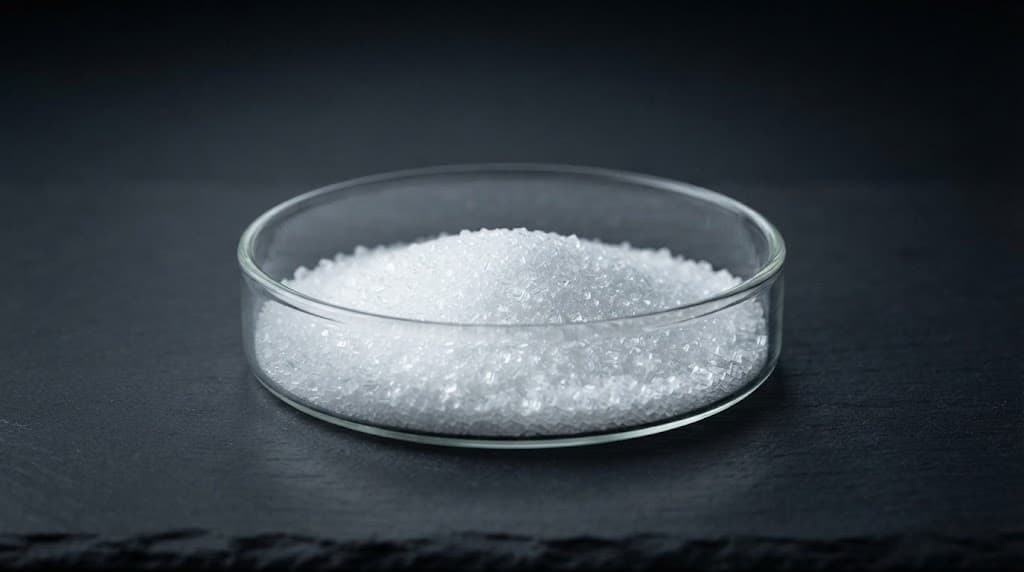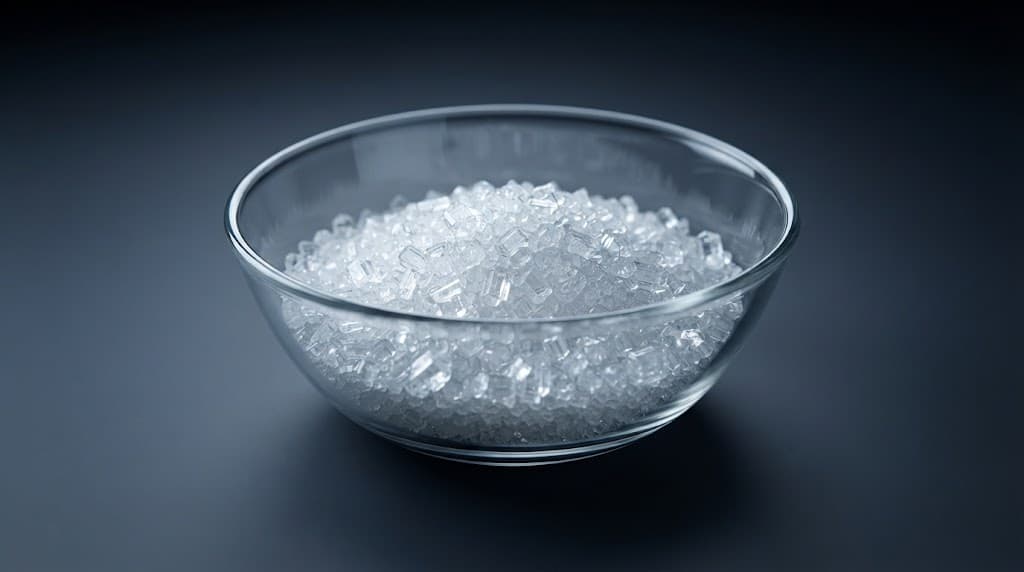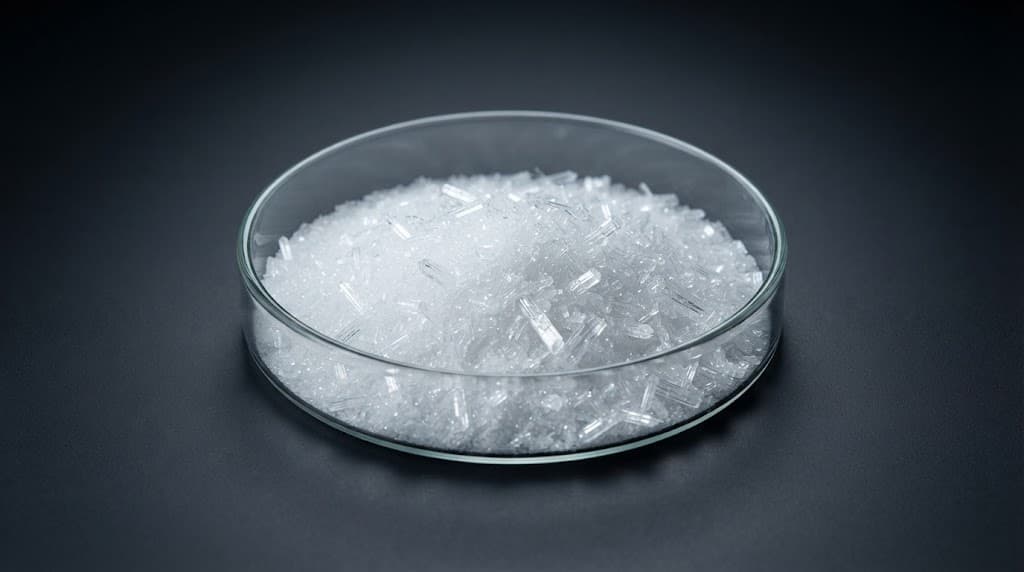
Beverage formulators purchasing acidulants in bulk face a recurring procurement question: should they specify malic acid or tartaric acid for their formulations? The answer depends on a complex interplay of flavor performance, cost structure, supply chain stability and application requirements.
Both acids serve as acidulants, flavor enhancers and pH regulators in beverage applications. However, their production methods, pricing dynamics and taste characteristics differ substantially enough to influence formulation economics and product quality.
Understanding these trade-offs allows procurement teams to make informed sourcing decisions that balance technical performance requirements with budget constraints. The choice becomes particularly critical when developing new products or reformulating existing lines.
Production Methods and Their Impact on Pricing
Malic acid is produced through two distinct routes: fermentation and chemical synthesis. Fermentation-based production uses bacteria or fungi to convert glucose or other carbohydrate feedstocks into L-malic acid, the naturally occurring stereoisomer. Chemical synthesis produces DL-malic acid, a racemic mixture of both stereoisomers, through the hydration of maleic anhydride or fumaric acid.
Fermentation-derived malic acid commands premium pricing due to higher production costs and lower yields. It appeals to buyers seeking natural or clean-label positioning. Synthetic malic acid offers significantly lower costs and dominates applications where label claims are less critical.
Tartaric acid is almost exclusively produced as a byproduct of wine production. Potassium bitartrate, commonly known as cream of tartar, precipitates naturally during wine fermentation and aging. This precipitate is collected, purified and converted to tartaric acid.
The wine industry's production cycles directly influence tartaric acid availability and pricing. Poor grape harvests, shifts in wine consumption patterns or regulatory changes affecting wineries all impact tartaric acid supply. This creates inherent volatility that malic acid sourcing generally avoids.
Cost Structures and Pricing Benchmarks
Synthetic malic acid typically trades at 30% to 40% below tartaric acid on a cost-per-kilogram basis. This price advantage makes it attractive for high-volume beverage applications where cost optimization is paramount.
Fermentation-derived L-malic acid often prices at parity with or slightly above tartaric acid depending on market conditions. The premium reflects production complexity and appeals to specific market segments willing to pay for natural sourcing.
Tartaric acid pricing exhibits greater volatility due to its dependence on wine industry byproduct streams. Prices can swing by 20% or more year-over-year based on grape harvest quality and wine production volumes in major producing regions including Italy, Spain, France and Argentina.
Freight and logistics costs affect both acids similarly, though tartaric acid's concentration in European production creates different shipping dynamics for buyers in Asia or the Americas compared to malic acid sourced from China or other Asian origins.
Bulk buyers negotiating annual contracts should account for these structural differences. Malic acid offers more predictable pricing trajectories, while tartaric acid requires contingency planning for potential supply disruptions or price spikes.
Flavor Profiles and Sensory Performance
The taste characteristics of malic and tartaric acid differ in ways that significantly impact beverage formulations. These differences are not merely technical specifications but translate directly into consumer perception and product acceptance.
Malic acid delivers a sharp, clean and slightly lingering tartness. It enhances fruit flavors particularly well in apple, pear, cherry and tropical fruit beverages. The acidity builds gradually on the palate and provides good mouthfeel without excessive astringency.
Tartaric acid produces a more immediate, crisp and wine-like acidity. It has a sharper initial impact with less lingering effect compared to malic acid. This makes it well-suited for grape-based beverages, wine coolers and formulations seeking a sophisticated or mature flavor profile.
Sourness intensity comparisons at equivalent pH levels:
Malic acid provides moderate sourness intensity with smooth development and moderate persistence after swallowing.
Tartaric acid delivers high initial sourness intensity with sharp onset and quick dissipation on the finish.
The choice between them affects not just acidity level but the temporal dynamics of how consumers experience tartness throughout consumption.
Formulators often conduct side-by-side taste panels when considering substitution. Small differences in acid selection can noticeably alter the overall flavor balance, especially in lightly flavored or premium beverages.
Application Suitability Across Beverage Categories
Carbonated soft drinks represent the largest volume application for both acids. Malic acid is frequently used in citrus, fruit punch and tropical flavored sodas where its flavor-enhancing properties support bold fruit profiles. Tartaric acid appears in grape sodas and specialty carbonated beverages targeting adult consumers.
Sports and energy drinks commonly specify malic acid for its clean tartness and ability to mask off-notes from functional ingredients like caffeine, taurine or B vitamins. The acid helps create a refreshing perception that encourages continued consumption during physical activity.
Wine coolers and flavored malt beverages traditionally favor tartaric acid because its taste profile complements wine or fermented bases. However, cost pressures have driven some manufacturers to reformulate using malic acid or blends of both acids.
Fruit juices and juice drinks use both acids depending on the fruit type being replicated or enhanced. Apple and pear beverages naturally contain malic acid, making it the logical choice for authenticity. Grape juices contain tartaric acid naturally, though some manufacturers use malic acid in reconstituted or lower-cost formulations.
Ready-to-drink teas and coffee beverages increasingly incorporate malic acid to provide brightness and balance sweetness without the wine-like notes that tartaric acid can introduce.
Supply Chain Considerations and Origin Risks
China dominates malic acid production with over 80% of global synthetic capacity and growing fermentation production. Major manufacturing centers are located in Shandong, Jiangsu and Hebei provinces. This concentration creates efficiency advantages but also single-country dependency risks.
European and North American malic acid production exists but at much smaller scale. Buyers seeking to diversify sources face limited options and higher costs when sourcing outside Asia.
Tartaric acid supply is more geographically distributed but remains tied to wine-producing regions. Italy leads global production, followed by Spain, France, Argentina and South Africa. This distribution reduces single-country risk but creates vintage-year dependency that malic acid sourcing avoids.
Environmental and regulatory disruptions affect both acids differently. Chinese malic acid producers face periodic production curtailments due to emissions controls or energy rationing. Tartaric acid suppliers experience disruptions when wine harvests fail or when regulatory changes affect wine industry operations.
Lead times for malic acid from Asia typically range from 45 to 60 days including ocean freight to North American or European destinations. Tartaric acid lead times vary by origin but European production offers shorter delivery windows for EU buyers.
Buyers should assess whether their formulations allow for dual-sourcing or substitution between acids. This flexibility can provide critical leverage during supply disruptions or price spikes affecting either material.
Quality Specifications and Regulatory Compliance
Both malic and tartaric acid are approved food additives with well-established safety profiles. Regulatory requirements are similar across major markets, though specific purity grades and testing protocols differ by application.
Food-grade malic acid specifications typically require:
Minimum purity of 99.5% with limits on heavy metals, arsenic and other contaminants set by regulatory authorities.
Residual maleic or fumaric acid content below defined thresholds for synthetic production routes.
L-malic acid content specifications when naturally derived material is required for labeling purposes.
Tartaric acid quality parameters focus on:
Purity levels of 99.7% minimum with strict limits on sulfate, chloride and lead content.
Optical rotation specifications to confirm L-(+) stereoisomer content from natural wine industry sources.
Low ash and sulfated ash content to ensure product meets pharmaceutical-grade requirements when needed.
European buyers increasingly request non-GMO documentation for malic acid derived from corn or other potentially genetically modified feedstocks. This adds sourcing complexity and narrows the supplier base for fermentation-derived grades.
Pharmaceutical and nutraceutical beverage applications may require USP or EP grade material for either acid. These grades command significant premiums and require suppliers to maintain more stringent quality systems and documentation.
Cost-Benefit Analysis for Reformulation Decisions
Reformulating from tartaric to malic acid or vice versa involves more than simple ingredient cost comparison. Beverage developers must account for usage rate adjustments, flavor system modifications and potential consumer acceptance impacts.
Malic acid typically requires slightly lower usage rates than tartaric acid to achieve equivalent pH levels due to differences in dissociation constants. This partially offsets any per-kilogram price differences and affects the true cost-in-use calculation.
Switching acids usually necessitates adjustments to other formulation components. Flavor houses may need to modify proprietary blends to compensate for the sensory differences. Sweetener levels often require fine-tuning to maintain the desired sweet-tart balance.
Consumer acceptance testing is critical when reformulating established products. Even small changes in acidity profile can trigger negative reactions from loyal consumers who notice deviations from familiar taste expectations.
The total cost of reformulation includes technical development time, pilot production runs, consumer testing and potential market risks. These factors can exceed the annual ingredient cost savings, especially for established products with strong market positions.
Buyers should calculate breakeven volumes where ingredient cost savings justify reformulation investments. Low-volume specialty beverages rarely benefit from switching acids purely for cost reasons, while high-volume mainstream products can generate substantial savings.
Sustainability and Clean-Label Trends
Consumer demand for natural and recognizable ingredients is reshaping acidulant procurement strategies. Fermentation-derived L-malic acid positions well in clean-label formulations despite its cost premium over synthetic alternatives.
Tartaric acid benefits from its origin as a wine industry byproduct, appealing to consumers who value upcycling and resource efficiency. Marketing teams can leverage this story in premium or sustainability-focused beverage brands.
Carbon footprint considerations are entering procurement discussions as major beverage companies set emissions reduction targets. Synthetic malic acid production has a different environmental profile than fermentation routes or tartaric acid recovery from wine processing.
Some buyers now request lifecycle assessment data from suppliers to compare environmental impacts across sourcing options. Suppliers able to provide transparent emissions data and demonstrate continuous improvement may gain competitive advantages.
Packaging and logistics emissions also factor into total sustainability calculations. Sourcing tartaric acid from European origins for EU markets reduces transportation impacts compared to importing malic acid from Asia, though this benefit disappears for non-European buyers.
Procurement Strategies for Managing Both Acids
Sophisticated beverage companies often maintain approved supplier lists for both malic and tartaric acid to preserve formulation flexibility and competitive leverage. This approach requires additional supplier qualification effort but provides valuable supply chain resilience.
Annual or multi-year contracts work well for both acids when volumes are predictable. Fixed-price agreements reduce budget uncertainty but require careful negotiation to avoid locking in unfavorable terms during market downturns.
Some buyers use indexed pricing formulas that tie acid costs to underlying raw material benchmarks. For synthetic malic acid, this might reference maleic anhydride or benzene prices. For tartaric acid, wine production indices could serve as proxies.
Safety stock strategies differ between the acids. Tartaric acid's supply volatility argues for higher inventory buffers, while malic acid's more stable supply chains allow leaner stock policies. Buyers must balance carrying costs against supply disruption risks.
Establishing relationships with both direct manufacturers and experienced traders provides sourcing flexibility. Traders can aggregate smaller volumes and provide faster delivery for spot needs, while direct relationships optimize pricing for committed volumes.
Technical Performance Beyond Taste
Both acids function as chelating agents that can sequester metal ions in beverage formulations. This property helps prevent oxidation, color degradation and off-flavor development during shelf life. The chelating strength differs between the acids and may influence formulation stability.
Buffering capacity affects how effectively each acid maintains pH stability when other ingredients are added or during thermal processing. Formulators must account for these differences when designing products that undergo pasteurization or other heat treatments.
Solubility characteristics are similar for both acids, though temperature dependencies differ slightly. This rarely impacts cold beverage applications but may matter in hot-fill processes or concentrated syrups requiring high acid loading.
Interaction with other formulation components like proteins, polysaccharides or colors can vary between malic and tartaric acid. Beverage developers should conduct stability testing when switching acids to identify any unexpected compatibility issues.
Crystallization risks exist with both acids at high concentrations or low temperatures. Tartaric acid has slightly higher crystallization tendency, which matters for concentrated products or beverages stored under refrigeration.
Price Forecasting and Market Outlook
Malic acid pricing is expected to remain relatively stable through 2026 barring major disruptions in Chinese production capacity or feedstock costs. Gradual capacity additions in Asia should keep supply adequate for growing demand.
Tartaric acid faces greater uncertainty due to wine industry challenges including changing consumption patterns, climate impacts on grape production and regulatory pressures in key wine-producing regions. Buyers should plan for potential price volatility.
Currency fluctuations affect both acids differently based on production geography. Euro-denominated tartaric acid pricing exposes buyers to EUR/USD exchange rate movements, while Chinese malic acid follows CNY/USD dynamics.
Energy costs influence both acid production but through different mechanisms. Synthetic malic acid production is energy-intensive, making it sensitive to electricity and steam prices. Tartaric acid recovery from wine processing is less energy-dependent but subject to wine industry economics.
Long-term demand growth favors malic acid due to its broader application range and synthetic production scalability. Tartaric acid growth is constrained by wine industry byproduct availability, potentially creating tightness if beverage demand accelerates.
What Buyers Need to Decide Now
Procurement teams should evaluate current formulations to identify opportunities where acid substitution could deliver meaningful cost savings without compromising product quality. This analysis requires close collaboration between procurement, R&D and sensory teams.
Buyers should request samples of both acids from multiple suppliers and conduct side-by-side formulation trials. Documented sensory evaluation and stability testing create the technical foundation for informed switching decisions.
Engaging with suppliers early about volume commitments and contract terms for 2026 and beyond allows buyers to secure favorable pricing before market conditions shift. Both acid markets reward proactive negotiation.
Developing dual-source strategies for critical formulations reduces dependency on any single supplier or geographic origin. The qualification effort pays dividends when supply disruptions occur or when leveraging competitive pressure during negotiations.
Monitoring wine production forecasts and Chinese chemical industry policy developments provides early warning of potential tartaric or malic acid market shifts. This market intelligence supports better timing of purchase commitments and inventory decisions.
Ready to source malic acid from verified global suppliers? Explore competitive offers on our platform today.
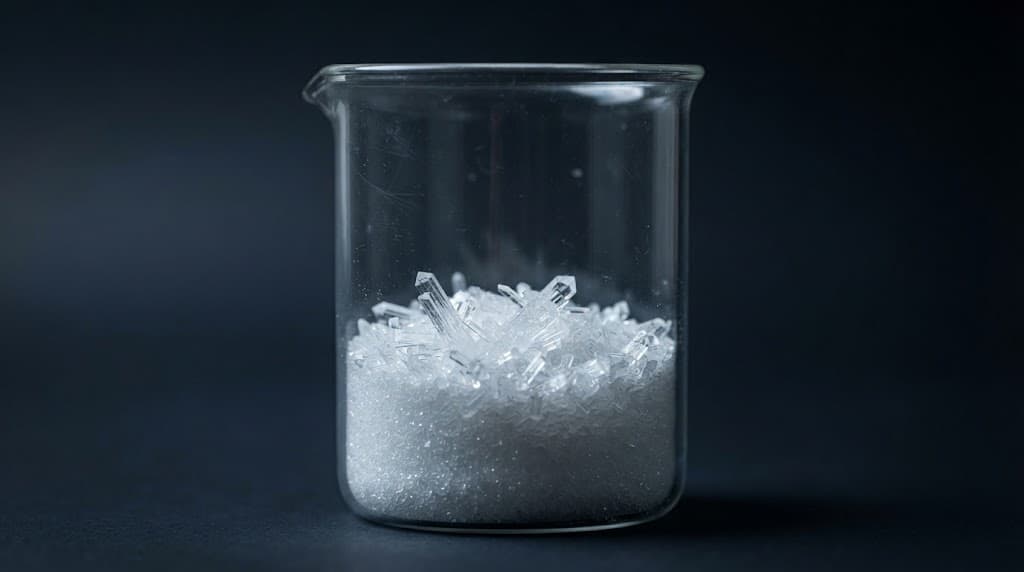
DL-Malic Acid (E296) CAS: 6915-15-7