Introduction
The Asian animal feed industry stands as a colossal pillar of the global agricultural economy, driven by a rising population, increasing protein consumption, and intensifying livestock and aquaculture production. In this landscape of growth, the quest for sustainable, efficient, and cost-effective feed ingredients has never been more critical. Traditional energy sources like corn and soybean meal face volatility and sustainability questions, pushing nutritionists and feed manufacturers to seek innovative alternatives. Enter fish solubles – a time-tested yet increasingly relevant ingredient derived from fish processing, offering a potent solution to modern feed formulation challenges.
This article delves into the transformative role of fish solubles within Asia's dynamic feed sector. We will explore its composition, the compelling benefits it delivers in terms of energy density and palatability, and its diverse applications across species. Furthermore, we will examine how this by-product aligns with the region's pressing sustainability goals, turning waste into a valuable resource. For industry stakeholders across platforms like feedingredientsasia.com and regional hubs such as chemtradeasia.sg or chemtradeasia.co.id, understanding the potential of fish solubles is key to formulating the next generation of high-performance, eco-conscious animal feeds.
What Are Fish Solubles? A Deep Dive into the Product
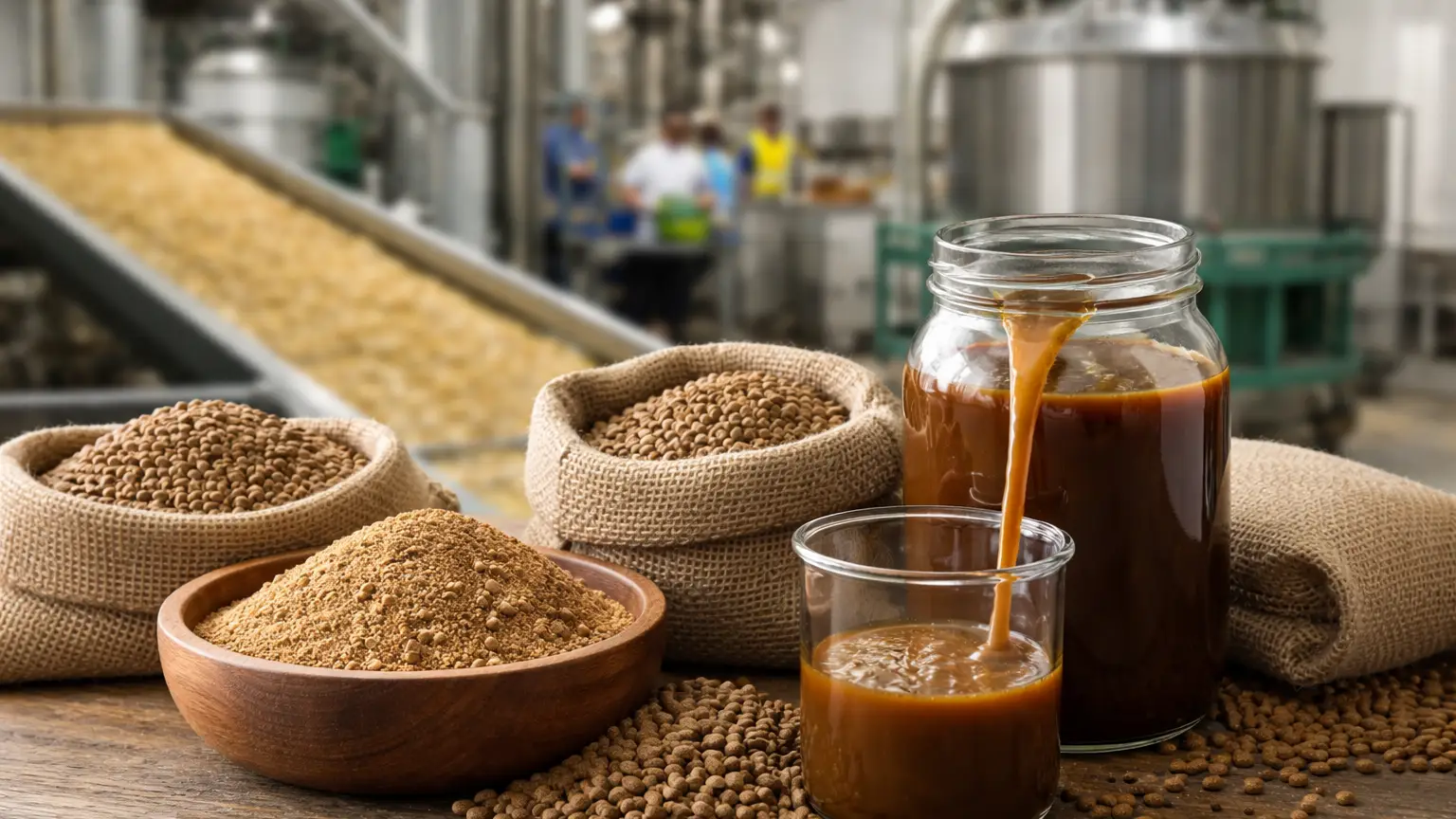
Fish solubles are a nutrient-rich liquid or semi-liquid product obtained during the processing of fish into meal and oil. Primarily sourced from species like anchovy, sardine, and mackerel, they are a concentrated by-product of the fish meal industry. The production process involves cooking, pressing, and separating the solid fish meal from the liquid "stickwater." This stickwater is then centrifuged to remove oil and evaporated to concentrate the remaining soluble nutrients, resulting in a viscous, dark brown liquid known as fish solubles. It can be sold as a liquid, condensed, or spray-dried into a powder for easier handling and incorporation into dry feed mixes.
The nutritional profile of fish solubles is what makes it a powerhouse ingredient. It is exceptionally rich in highly digestible protein (primarily in the form of peptides and free amino acids), essential omega-3 fatty acids (EPA and DHA), water-soluble vitamins (B-complex), and crucial minerals like phosphorus, selenium, and zinc. Unlike some plant-based proteins, the amino acids in fish solubles are highly bioavailable. Furthermore, it contains natural attractants and palatability enhancers such as betaine, nucleotides, and free amino acids, which stimulate feed intake in animals. This combination of dense nutrition and flavor makes it a multifunctional feed component.
The Asian Animal Feed Industry: Demand and Sustainability Challenges
Asia dominates global feed production, with China, India, and Southeast Asian nations leading output. The region's aquaculture sector is particularly massive, accounting for over 90% of global production. This growth is underpinned by a rising middle class with increasing disposable income, leading to higher consumption of meat, eggs, dairy, and farmed fish. However, this rapid expansion brings significant challenges. Feed constitutes 60-70% of livestock and aquaculture production costs, making the stability and cost of ingredients like corn, soy, and fishmeal a major concern. Price volatility and import dependency on these commodities strain profitability.
Simultaneously, sustainability has moved from a niche concern to a core business imperative. The industry faces pressure to reduce its environmental footprint, particularly concerning deforestation linked to soybean cultivation and the overexploitation of forage fish for traditional fishmeal. There is a strong drive toward circular economy principles—finding value in waste streams. This is where fish solubles present a compelling case. By utilizing a processing by-product that would otherwise require disposal, feed manufacturers can improve the sustainability profile of their formulations. This aligns with both regulatory trends and consumer expectations for responsibly sourced animal protein, creating a competitive advantage for forward-thinking companies.
Key Benefits of Integrating Fish Solubles into Feed Formulations
The integration of fish solubles into animal feed delivers a suite of tangible benefits that directly address the needs of Asian producers. First and foremost is its role as a sustainable energy source. With a high content of digestible protein and fats, fish solubles provide concentrated metabolizable energy, supporting maintenance, growth, and production (e.g., milk, eggs) without over-reliance on volatile grain markets. This energy is particularly valuable in starter feeds for young animals like piglets and fish fry, where high nutrient density in a small feed volume is crucial.
Secondly, its unparalleled ability as a palatability enhancer cannot be overstated. The natural flavors and attractants in fish solubles significantly improve feed intake, especially during critical periods like post-weaning stress in pigs or when introducing new feed to aquaculture species. Improved intake leads to better growth rates and feed conversion ratios (FCR), directly impacting farm economics. Thirdly, it boosts the nutritional completeness of feed. The rich profile of vitamins, minerals, and omega-3s supports immune function, bone development, and overall animal health, potentially reducing the need for synthetic vitamin-mineral premixes and antibiotic growth promoters.
From a manufacturing perspective, liquid fish solubles can act as a natural binder and dust suppressant in pelletized feeds, improving pellet quality and durability. For nutritionists sourcing through platforms like chemtradeasia.in or chemtradeasia.ae, these multifunctional benefits mean fish solubles are not just a filler but a strategic ingredient that enhances performance, health, and sustainability simultaneously, offering a strong return on investment.
Applications Across Livestock, Aquaculture, and Pet Food
The versatility of fish solubles allows for its effective use across a wide spectrum of animal production systems in Asia. In aquaculture, it is a cornerstone ingredient. For shrimp and fish feeds, it improves palatability, leading to faster consumption and reduced nutrient leaching into the water. The high nucleotide content supports gut health and immune response in species like vannamei shrimp, which are prone to disease. In finfish farming, the omega-3 fatty acids contribute to better flesh quality and are essential for the development of marine species.
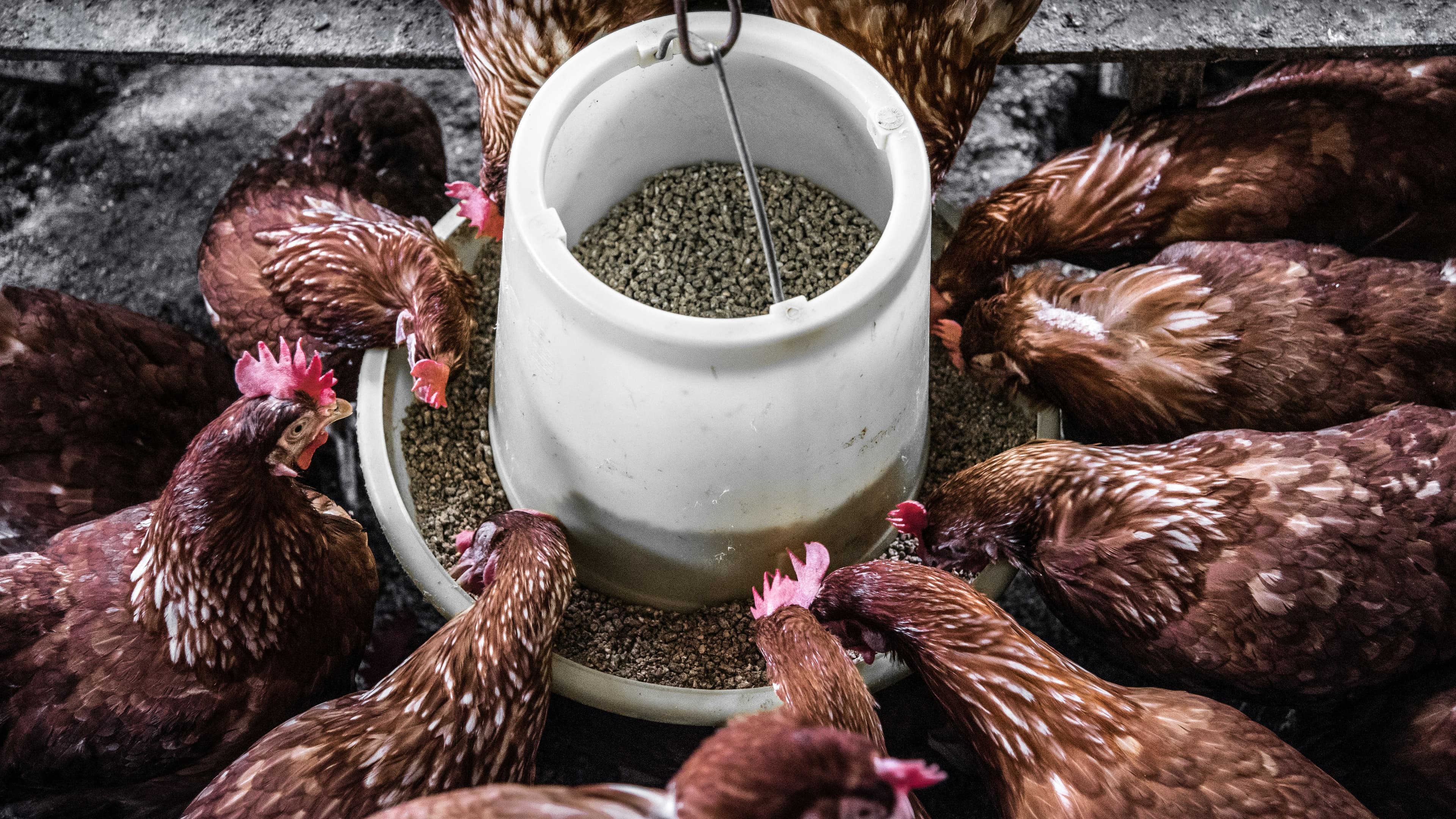
In livestock production, swine nutrition benefits immensely. Incorporated into sow diets, it can improve milk quality and yield. In weanling piglet diets, it is a critical tool to overcome post-weaning anorexia, driving intake and reducing growth lag. For poultry, including broilers and layers, fish solubles contribute to improved feed efficiency and can enhance the omega-3 content of eggs. The pet food industry, a rapidly growing segment in urban Asia, also utilizes fish solubles as a high-value flavor enhancer and nutrient source in premium dog and cat foods, catering to pet owners seeking natural, functional ingredients.
Each application requires specific consideration of inclusion rates, which typically range from 2% to 5% in complete feeds, depending on the species, life stage, and desired outcome. Formulators must balance its benefits with cost and ensure the final product meets all nutritional specifications. Regional suppliers accessible via chemtradeasia.com networks can provide tailored guidance for these diverse applications.
Sourcing and Quality: Navigating the Asian Market
Successfully leveraging fish solubles hinges on securing a reliable supply of consistent, high-quality product. The Asian market offers a wide range of sources, from large-scale fishmeal plants in Peru and Chile (imported) to regional producers in Thailand, Vietnam, India, and China. Key quality parameters to evaluate include protein content (typically 30-50% on a dry matter basis), fat level, moisture content, salt content (in some condensed products), and the presence of antioxidants to prevent rancidity. Microbial quality, particularly levels of bacteria like Salmonella and E. coli, is non-negotiable for animal and feed safety.
Prospective buyers should request and scrutinize Certificates of Analysis (CoA) and ensure suppliers adhere to Good Manufacturing Practices (GMP). Partnering with established distributors and trading platforms, such as those under the Chemtradeasia network (e.g., chemtradeasia.sg for Southeast Asia or chemtradeasia.co.id for Indonesia), can mitigate supply chain risks. These partners often provide logistical support, quality assurance, and technical data, facilitating smooth integration into feed mills. It is also prudent to consider the sustainability certification of the source fishery, such as MarinTrust or IFFO RS, to align with corporate sustainability goals and meet the requirements of discerning customers.
Conclusion
As the Asian animal feed industry continues its trajectory of growth and innovation, ingredients that offer nutritional efficacy, economic sense, and environmental responsibility will lead the market. Fish solubles exemplify this trifecta. By transforming a fish processing by-product into a high-energy, palatability-boosting, and health-supporting feed component, they provide a sustainable answer to some of the sector's most pressing challenges. From enhancing aquaculture yields to stabilizing young livestock through critical growth phases, their applications are both broad and deeply impactful.
For feed manufacturers, nutritionists, and integrators across the region, engaging with reputable suppliers and deepening their understanding of this ingredient's potential is a strategic move. By incorporating fish solubles into formulations, the industry can move toward greater resource efficiency, improved animal performance, and a stronger sustainability narrative—key drivers for future success in the competitive Asian market.
Disclaimer: This article is for informational and market insight purposes only. It is not intended as technical, safety, or professional advice for feed formulation or animal nutrition. The information presented on product benefits and applications is based on general industry knowledge and should not be relied upon for specific operational decisions. We strongly advise readers to independently verify all information with qualified experts, consult official product documentation including Safety Data Sheets (SDS), and contact our technical team or the ingredient supplier for guidance tailored to your specific needs and applications.